
Living with diabetes doesn't mean giving up the bold, aromatic flavors of Indian cooking. In fact, Indian cuisine is naturally rich in ingredients that support healthy blood sugar, think lentils, leafy greens, bitter gourd, spiced vegetables, and protein-packed legumes. You just need to know which dishes to reach for and how to make a few smart swaps.
In this post, I'm sharing my favorite diabetes-friendly Indian recipes, from hearty breakfasts to satisfying dinners, that the whole family will love. They're all relatively low in carbs, made with wholesome ingredients, and packed with flavor.
Disclaimer: I am not a doctor and nothing in this post is medical advice. Always consult your healthcare provider before making changes to your diet, and monitor your blood sugar levels regularly.

Jump to:
- Understanding Diabetes: A Quick Overview
- Tips for Eating Well with Diabetes
- Indian Breakfast Recipes for Diabetics
- Vegetarian Diabetic Indian Recipes
- Sabzis & Stir-Fries
- Dal & Legumes
- Soups & Salads
- Diabetic Friendly Appetizers
- Non-Vegetarian Diabetic Indian Recipes
- Diabetics-Friendly Indian Snacks
- Foods to Limit on a Diabetic Indian Diet
- Smart Ingredient Swaps for Indian Cooking
Understanding Diabetes: A Quick Overview
What Is Diabetes?
Diabetes is a condition in which your blood glucose (blood sugar) is too high. When you eat, your pancreas releases insulin, which helps glucose move from your bloodstream into your cells for energy. With diabetes, the body either doesn't make enough insulin or doesn't use it properly causing glucose to build up in the blood, which over time can lead to serious health complications. See more at NIH.gov
Types of Diabetes
Type 1 Diabetes: The body doesn't produce insulin at all. People with Type 1 require daily insulin injections and generally don't have specific dietary restrictions beyond managing carbohydrate intake.
Type 2 Diabetes: The most common form. The body doesn't make enough insulin or doesn't use it efficiently. Diet, exercise, and sometimes medication play a key role in managing it.
Gestational Diabetes: Occurs during pregnancy and can increase the risk of Type 2 diabetes later in life for both mother and child.
How Many Carbs Should You Eat?
There's no universal answer, it depends on your age, weight, activity level, medications, and how your body responds to food. The best guidance comes from your doctor or a registered dietitian. The general principle is to limit refined carbohydrates, increase fiber, and balance carbs with protein and healthy fats to slow glucose absorption. See more at MayoClinic.org
Tips for Eating Well with Diabetes
Managing blood sugar on an Indian diet is absolutely doable. Here are some practical tips:
- Eat small, frequent meals to avoid blood sugar spikes and crashes.
- Swap white rice for cauliflower rice, quinoa, or small portions of brown rice. If you do have rice, pair it with a high-protein dal or sabzi to slow glucose absorption.
- Replace wheat roti with almond, bajra or jowar roti - bajra (pearl millet) and jowar (sorghum) are ancient Indian grains with a lower glycemic index and more fiber than wheat.
- Include alternative grains like quinoa, amaranth, bulgur, barley, millet, and buckwheat.
- Load up on non-starchy vegetables - karela, lauki, turai, spinach, cabbage, and cauliflower are excellent choices (more on these below).
- Prioritize protein at every meal - dal, chana, paneer, yogurt, eggs, chicken, and fish all help stabilize blood sugar.
- Use good fats like ghee, mustard oil, and coconut oil in moderation; they help slow the glycemic impact of a meal.
- Try karela (bitter gourd) juice - slice it, apply salt and turmeric, rest 30 minutes, then juice it; it's widely used in Ayurvedic practice for blood sugar support and can be frozen in ice cube trays.
- Avoid maida (refined white flour) found in naan, puri, and most bakery snacks; it spikes blood sugar quickly.

Indian Breakfast Recipes for Diabetics
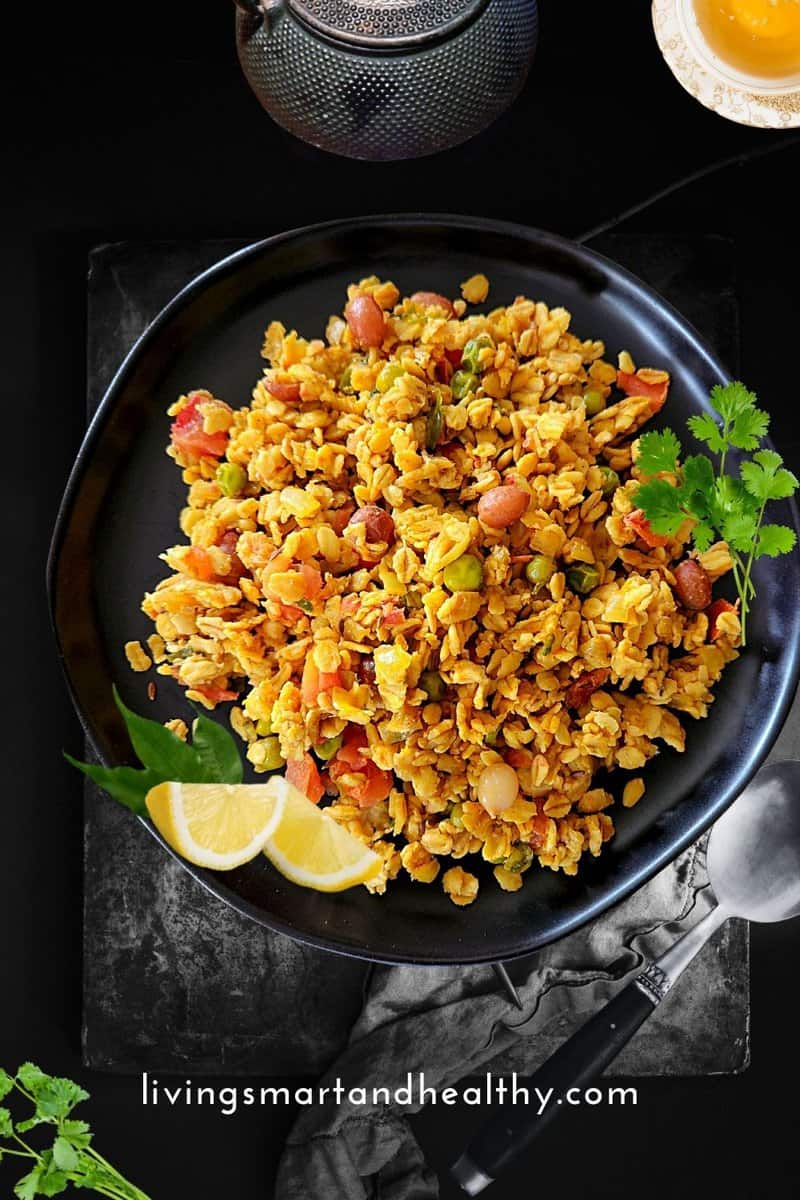
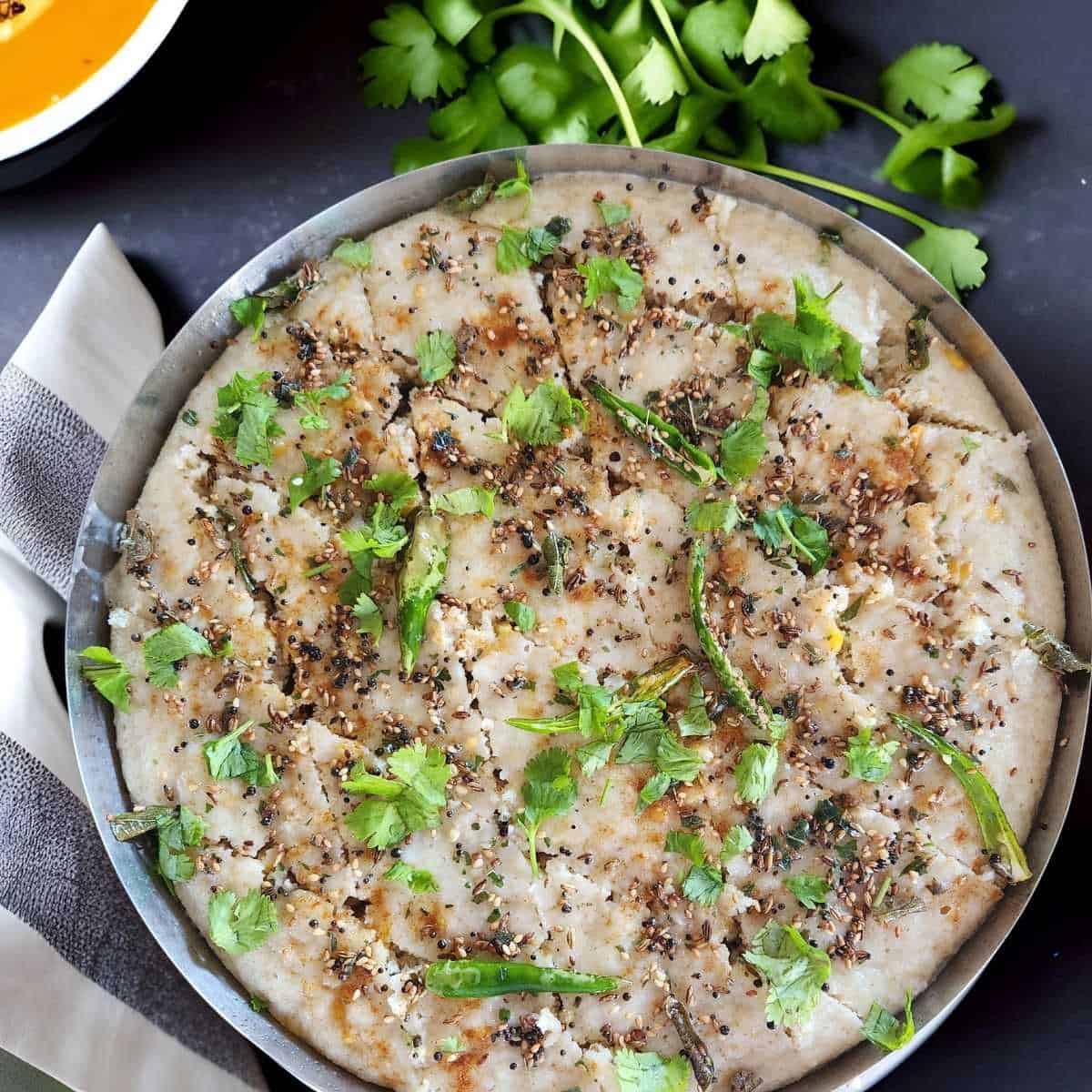
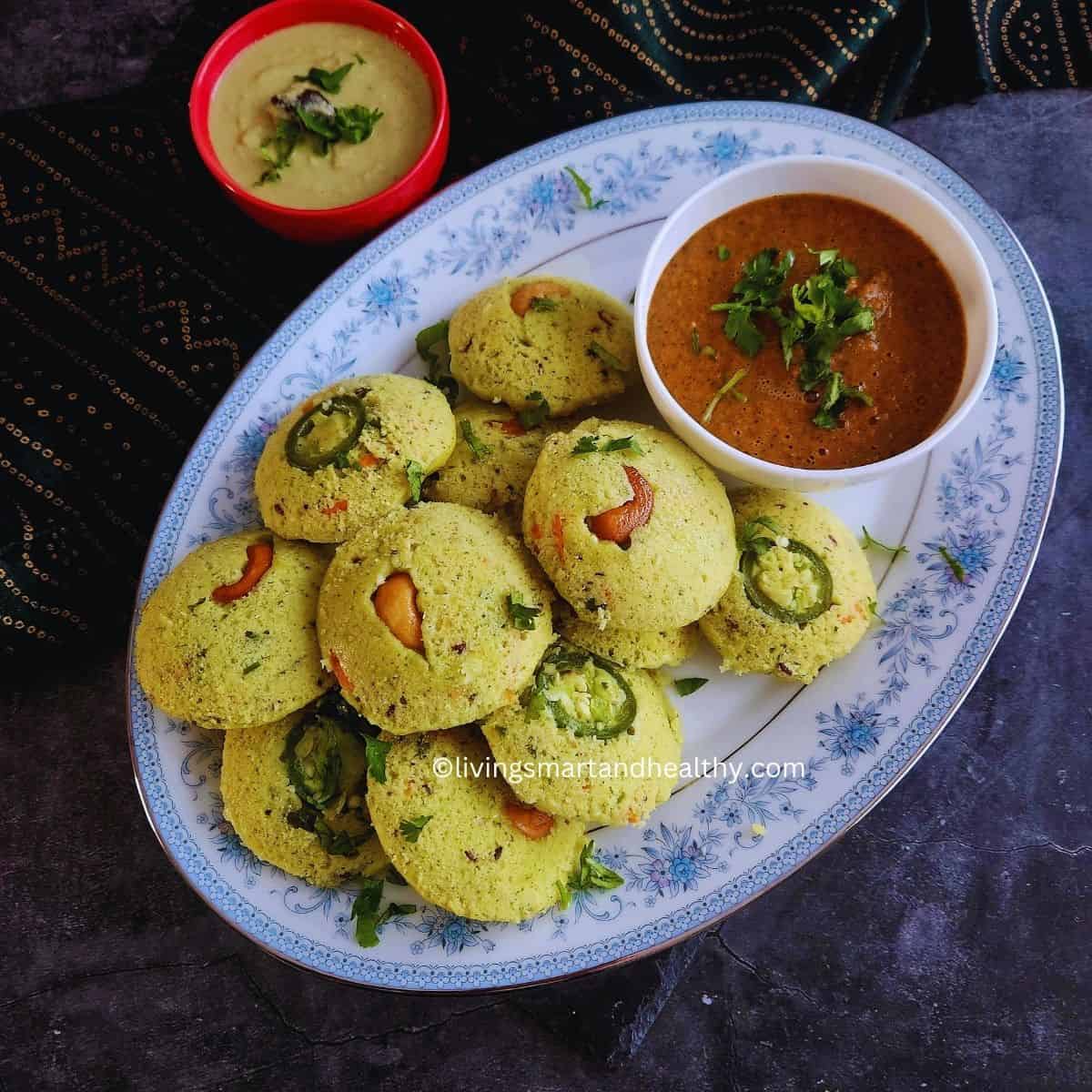
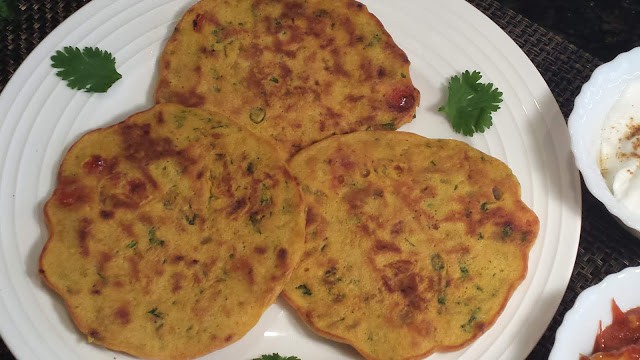
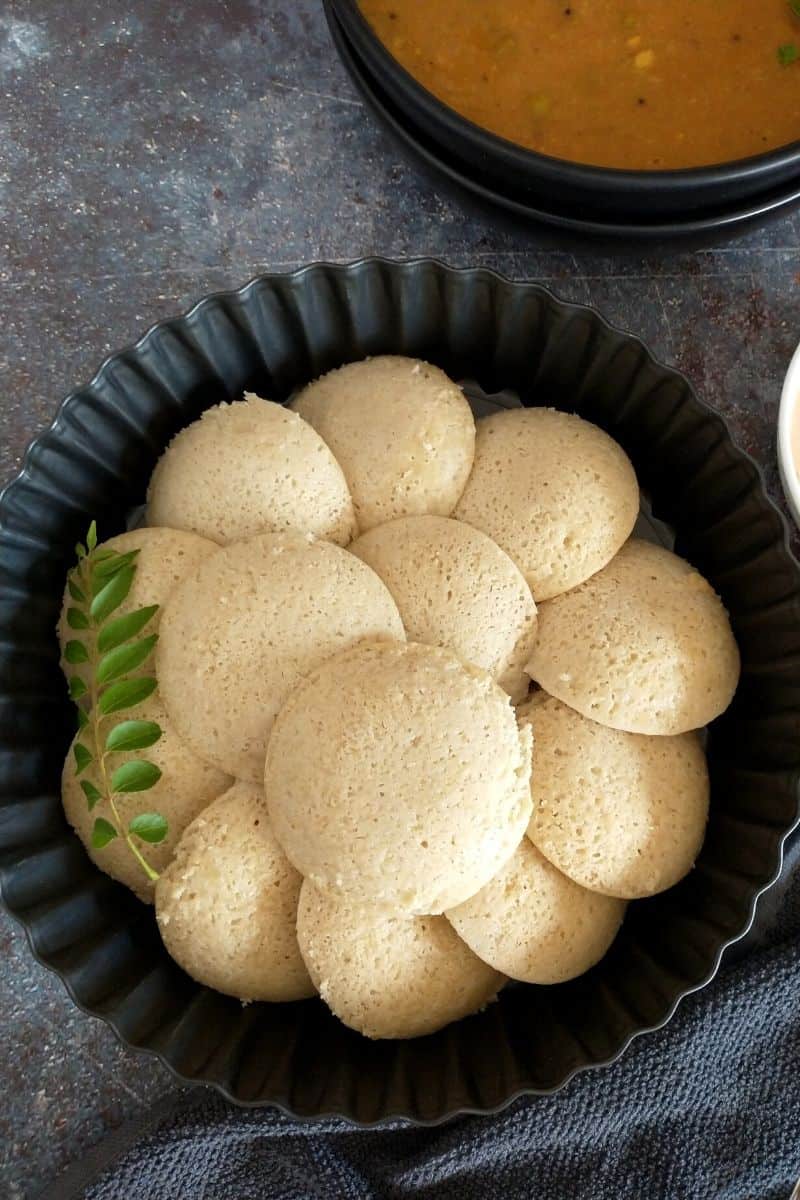
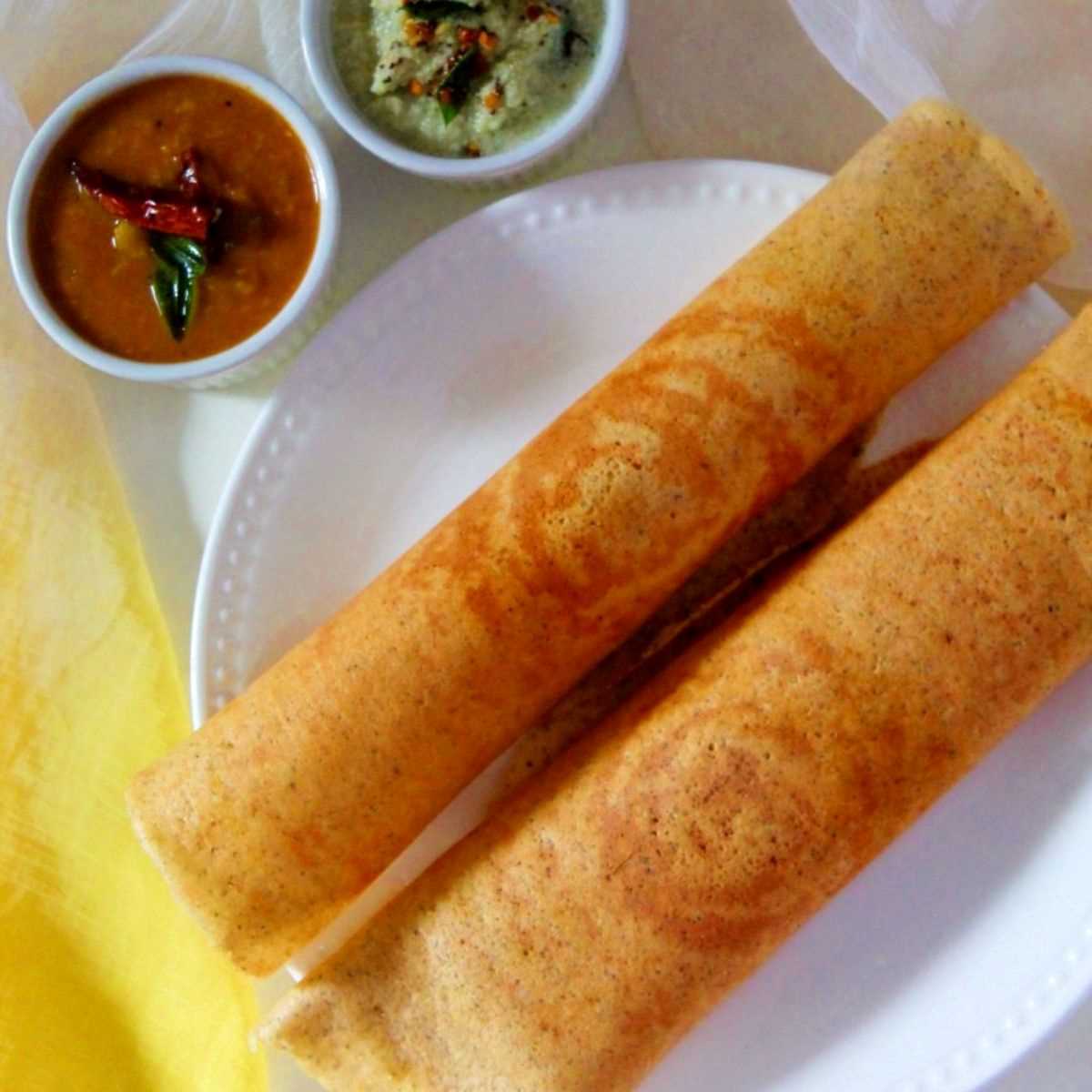
A good diabetic-friendly Indian breakfast is high in protein and fiber, and low in refined carbs. Think beyond the usual paratha, savory oats, eggs, dhokla (steamed chickpea flour cakes), or moong dal chilla (thin lentil crepes) all keep you full and your blood sugar steady through the morning.
Vegetarian Diabetic Indian Recipes
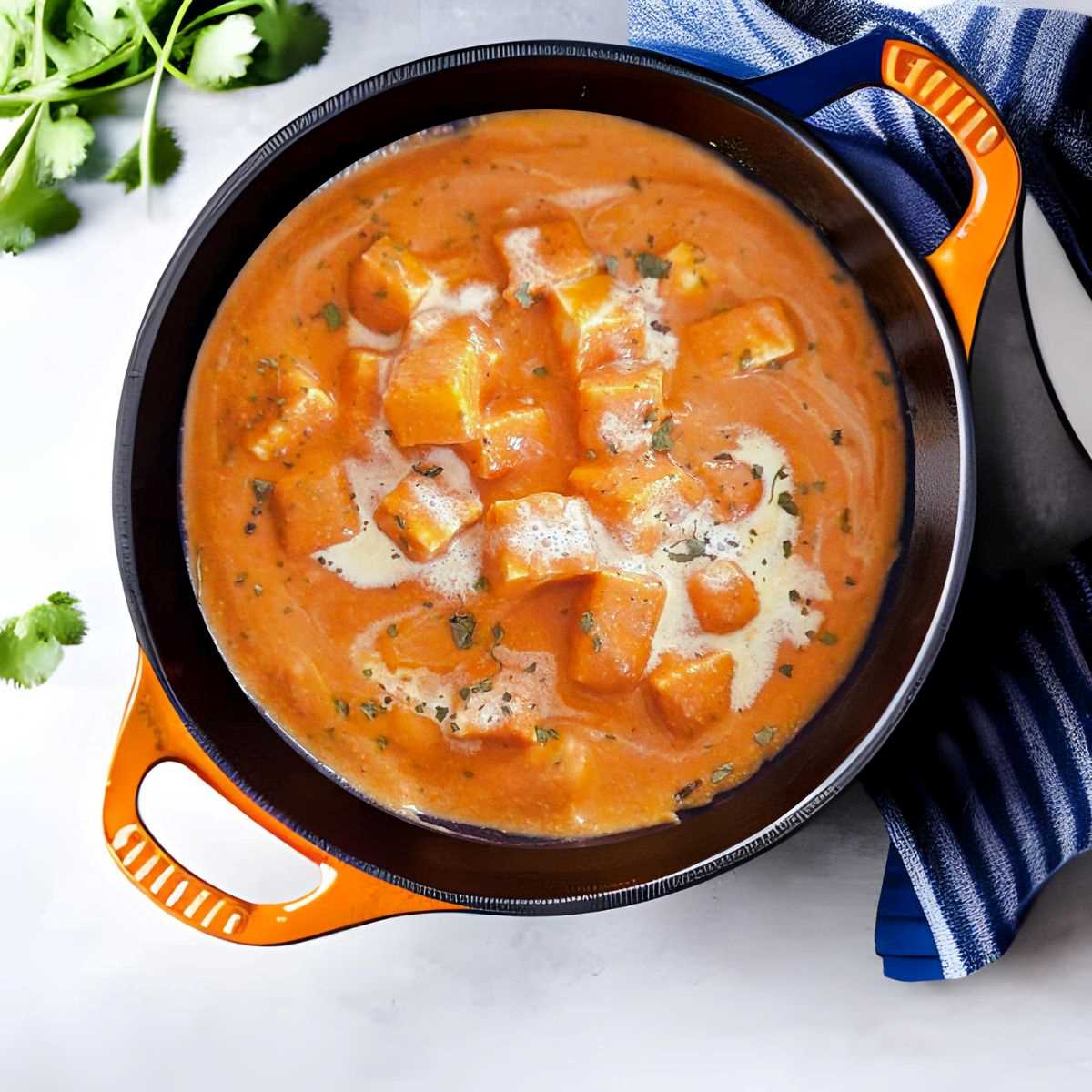
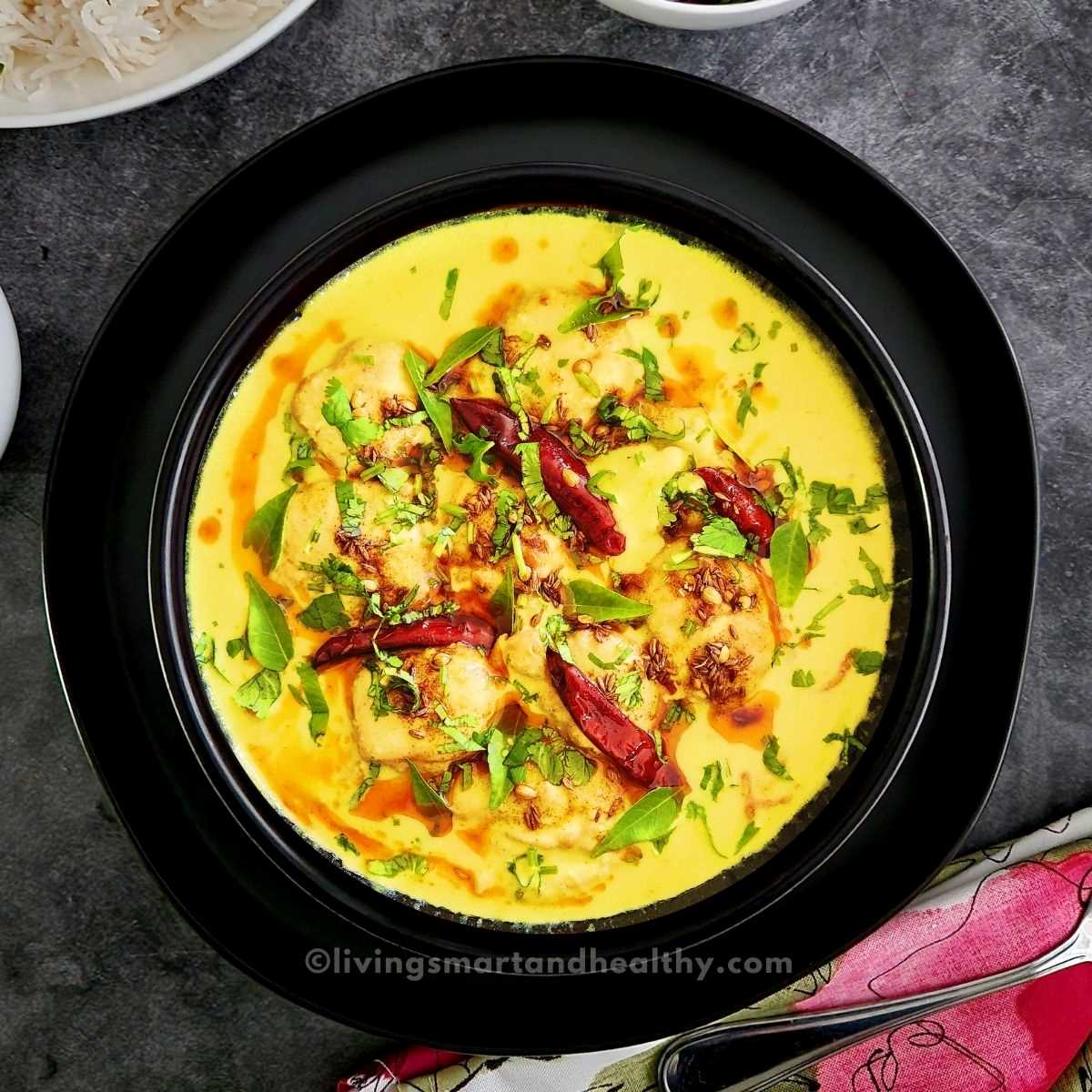
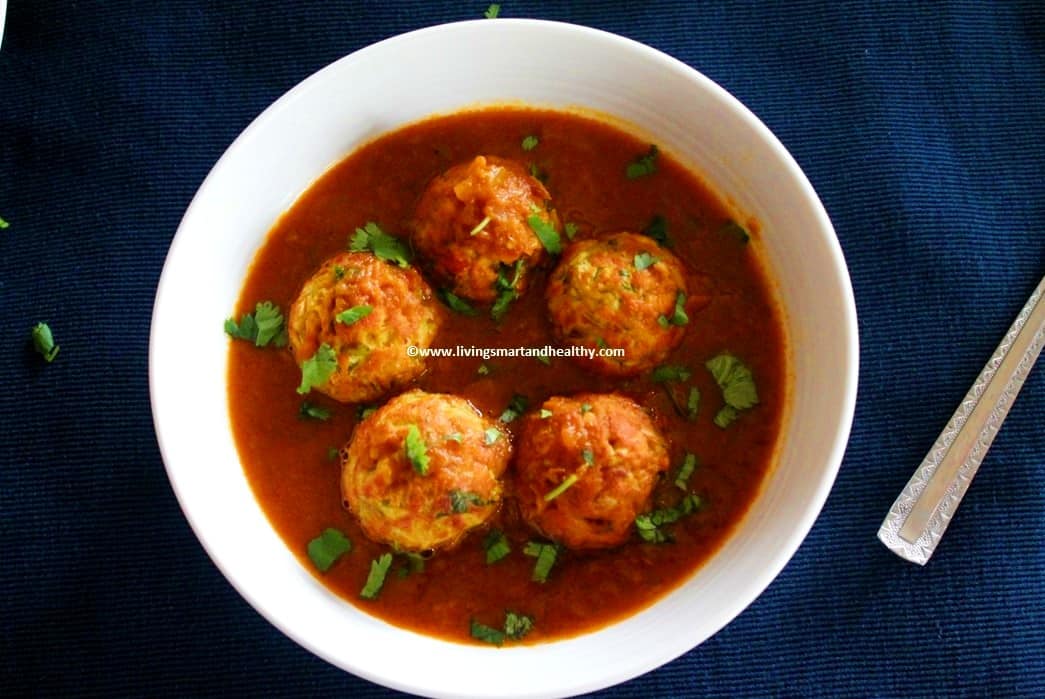
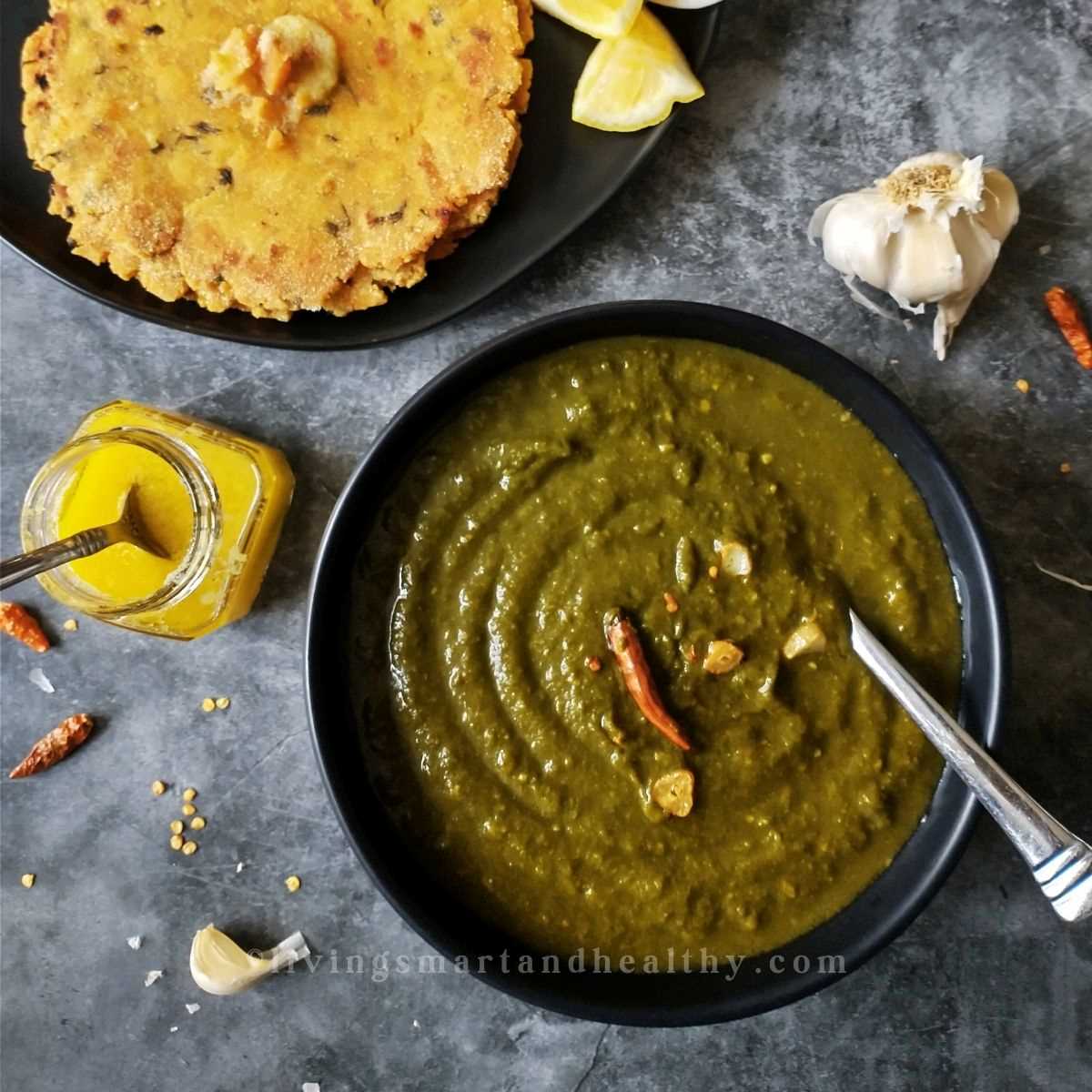
Indian vegetarian cooking is a goldmine for diabetes management. Lentils, beans, and low-starch vegetables form the backbone of a blood-sugar-friendly vegetarian diet, naturally high in fiber and plant protein, which slow glucose absorption and keep you satisfied longer.
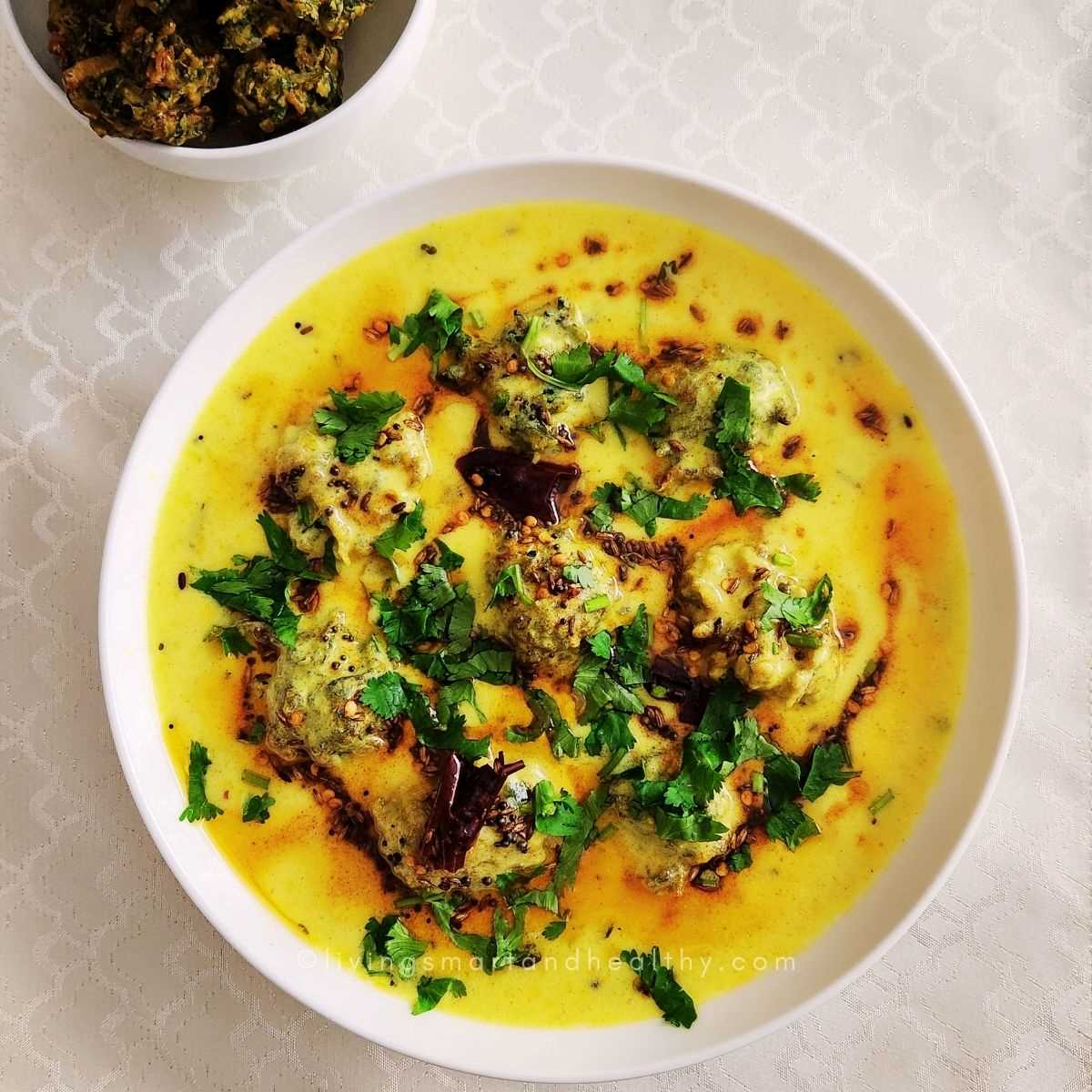
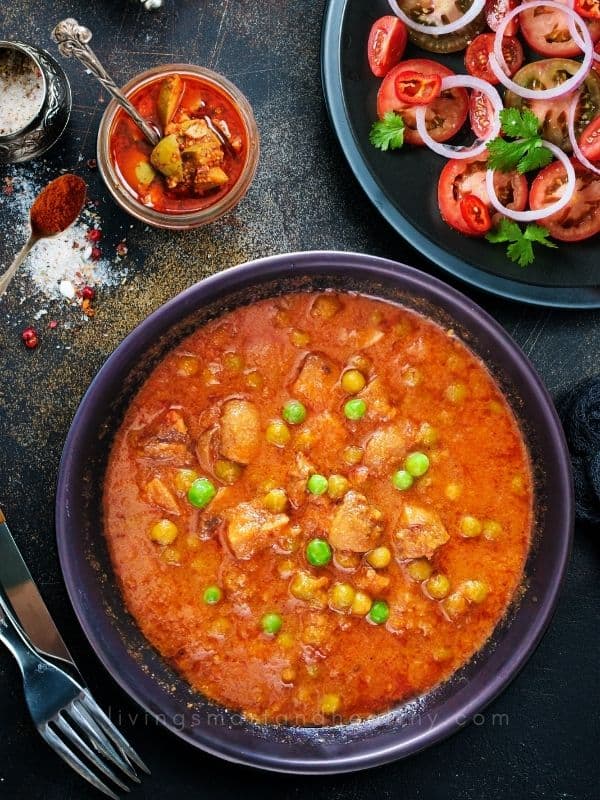
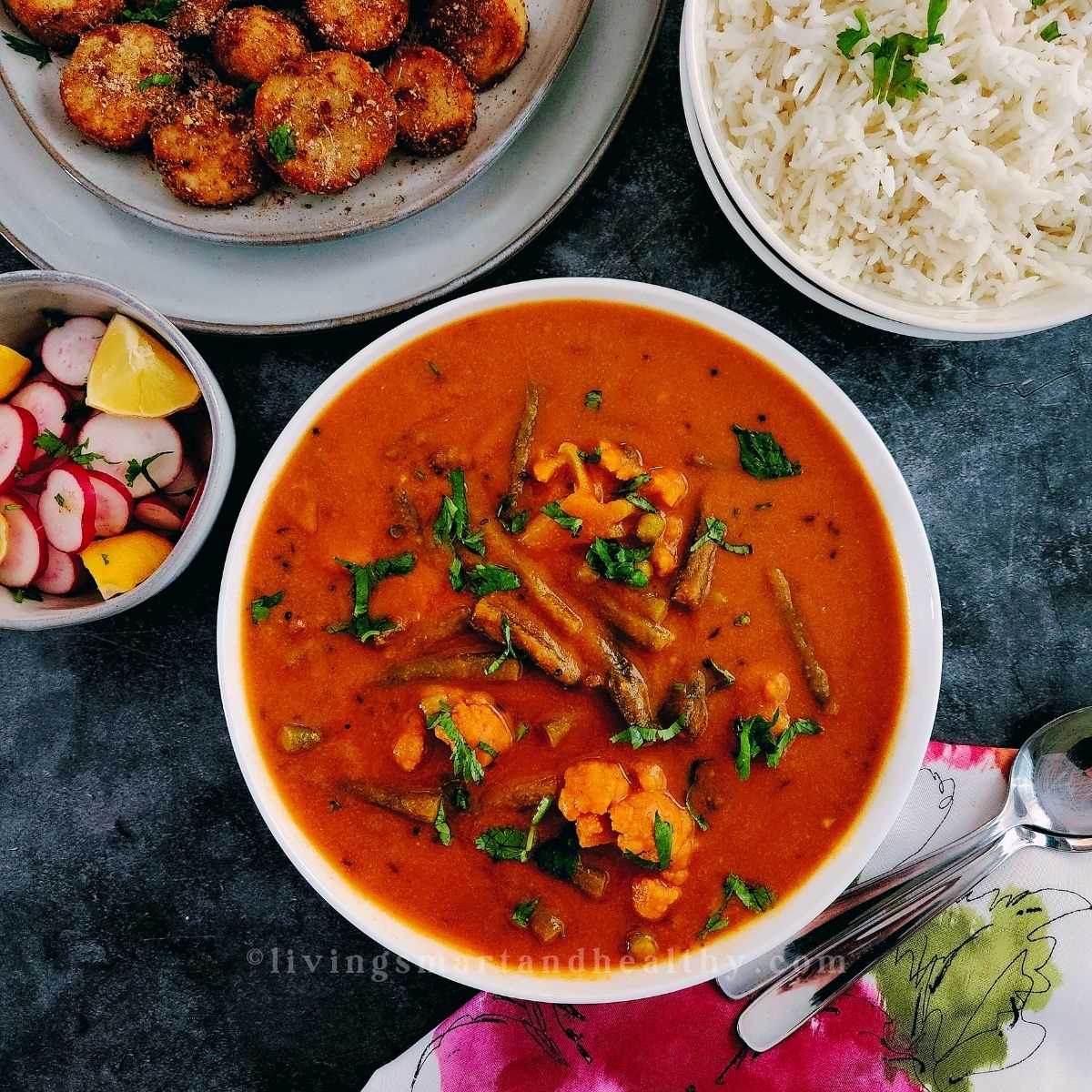
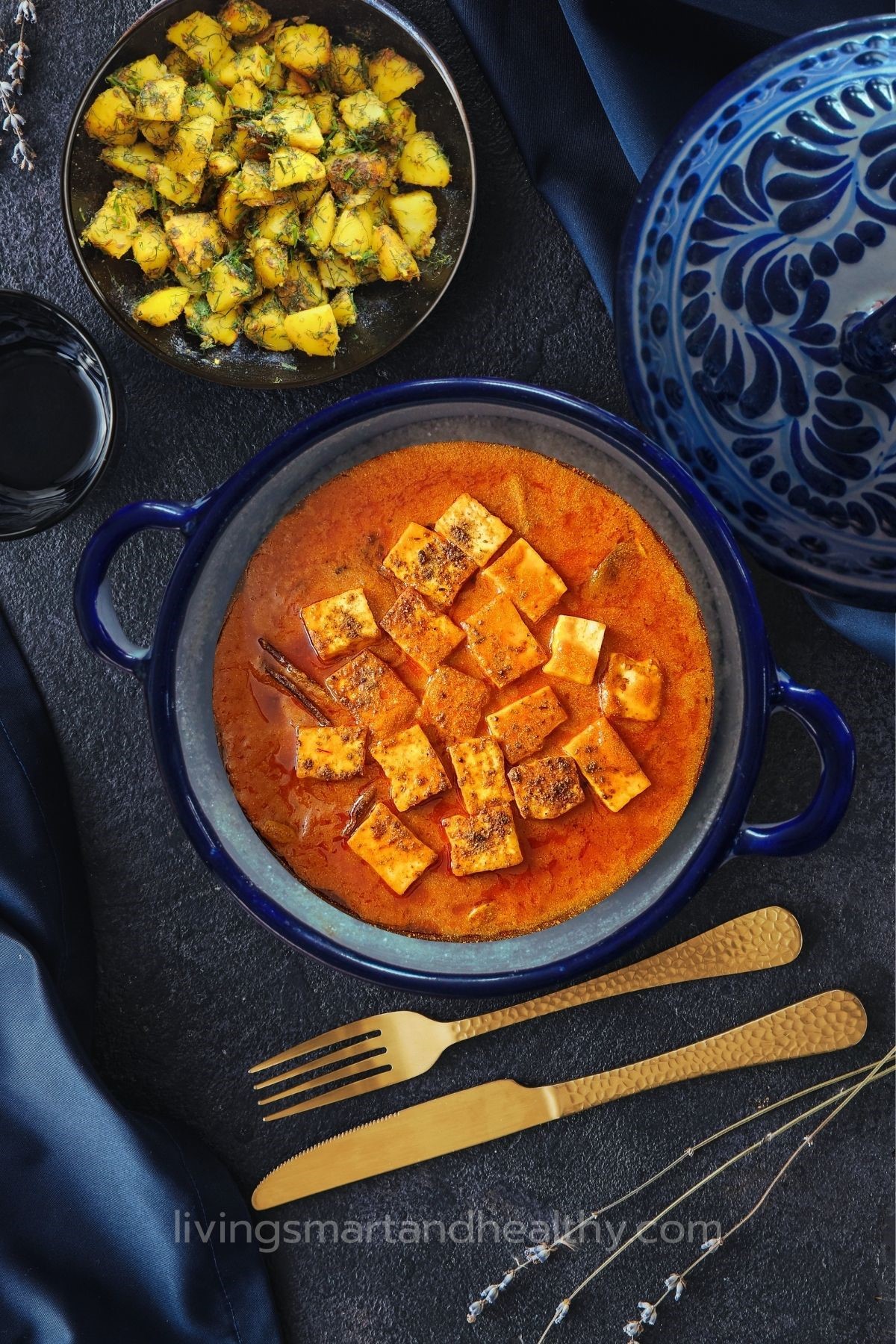
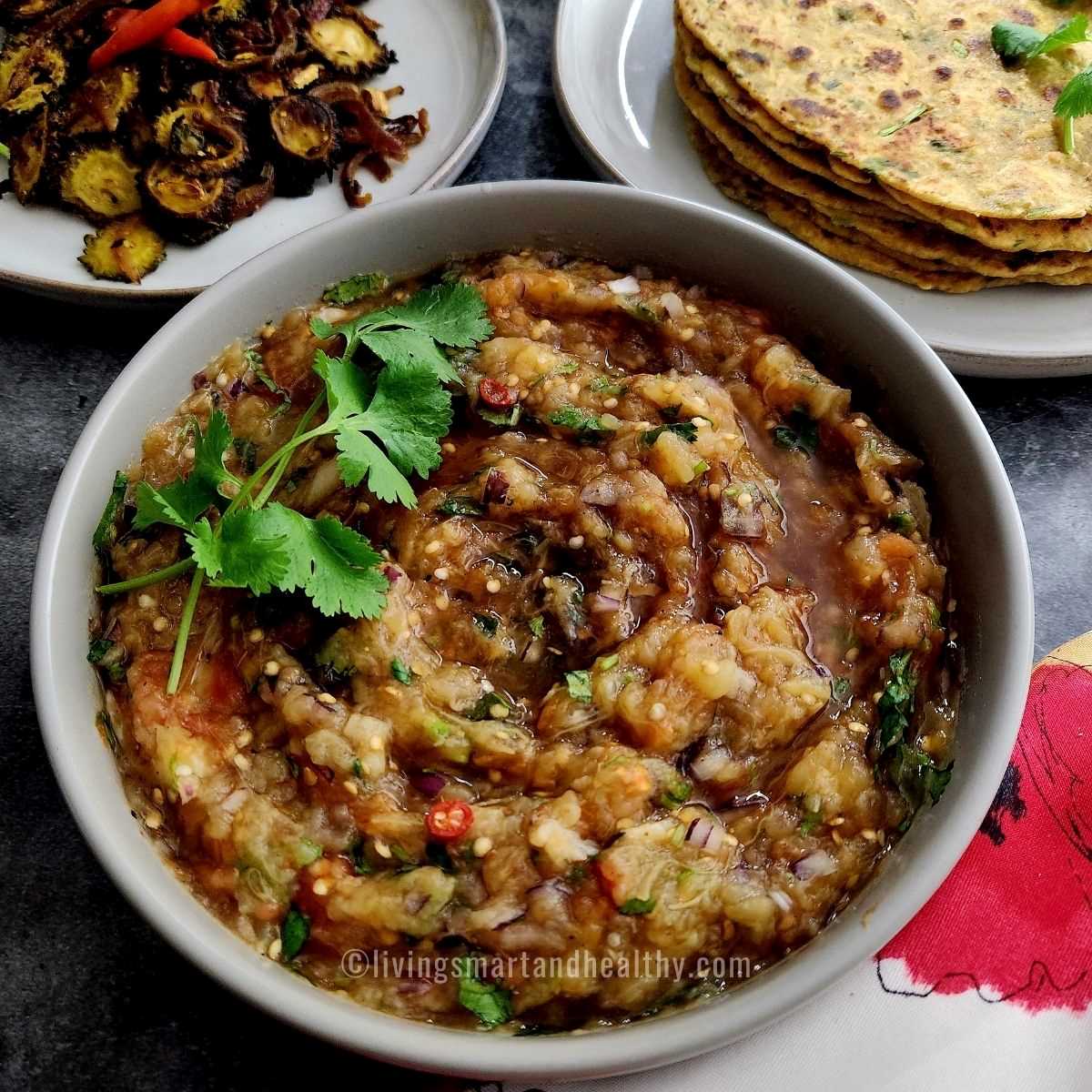
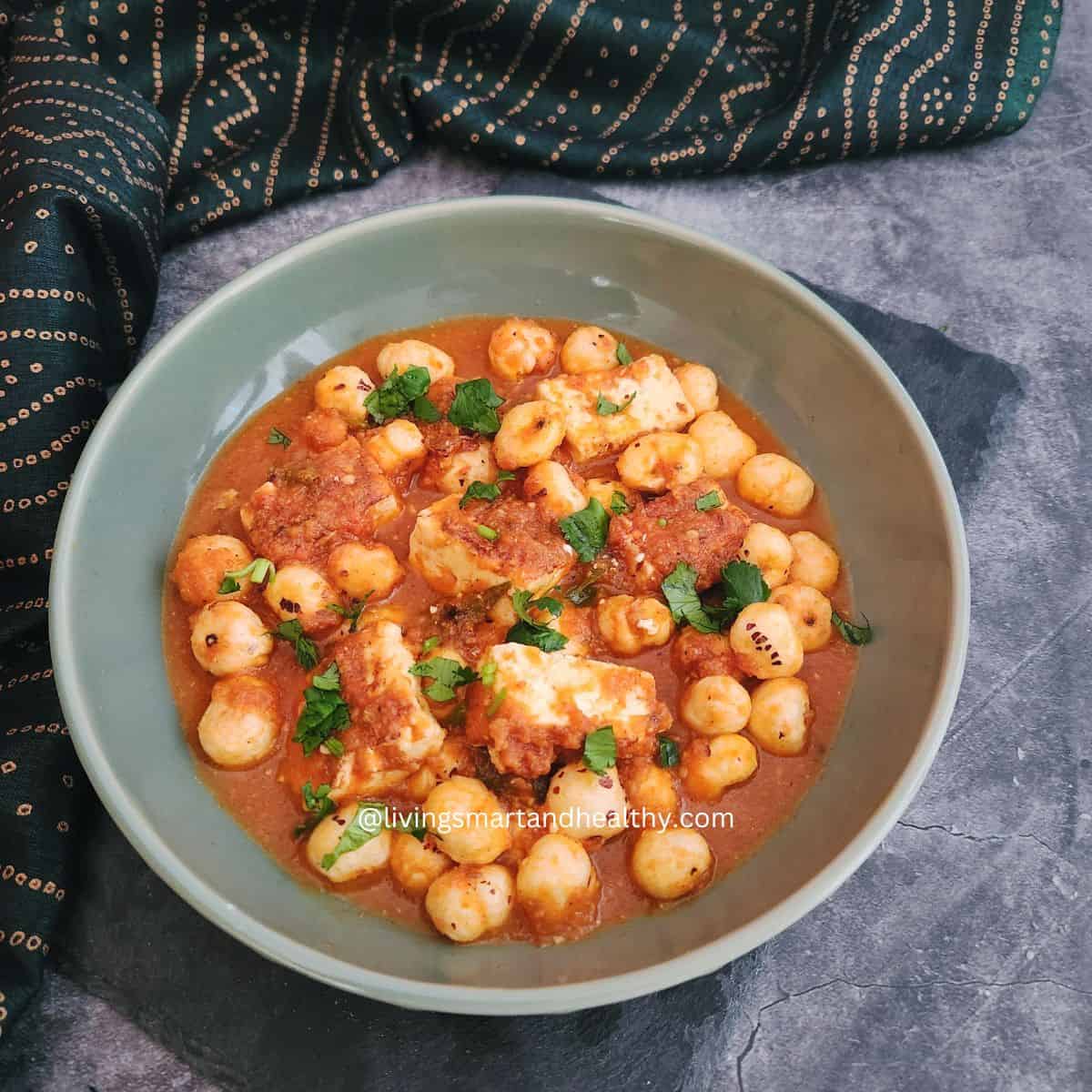
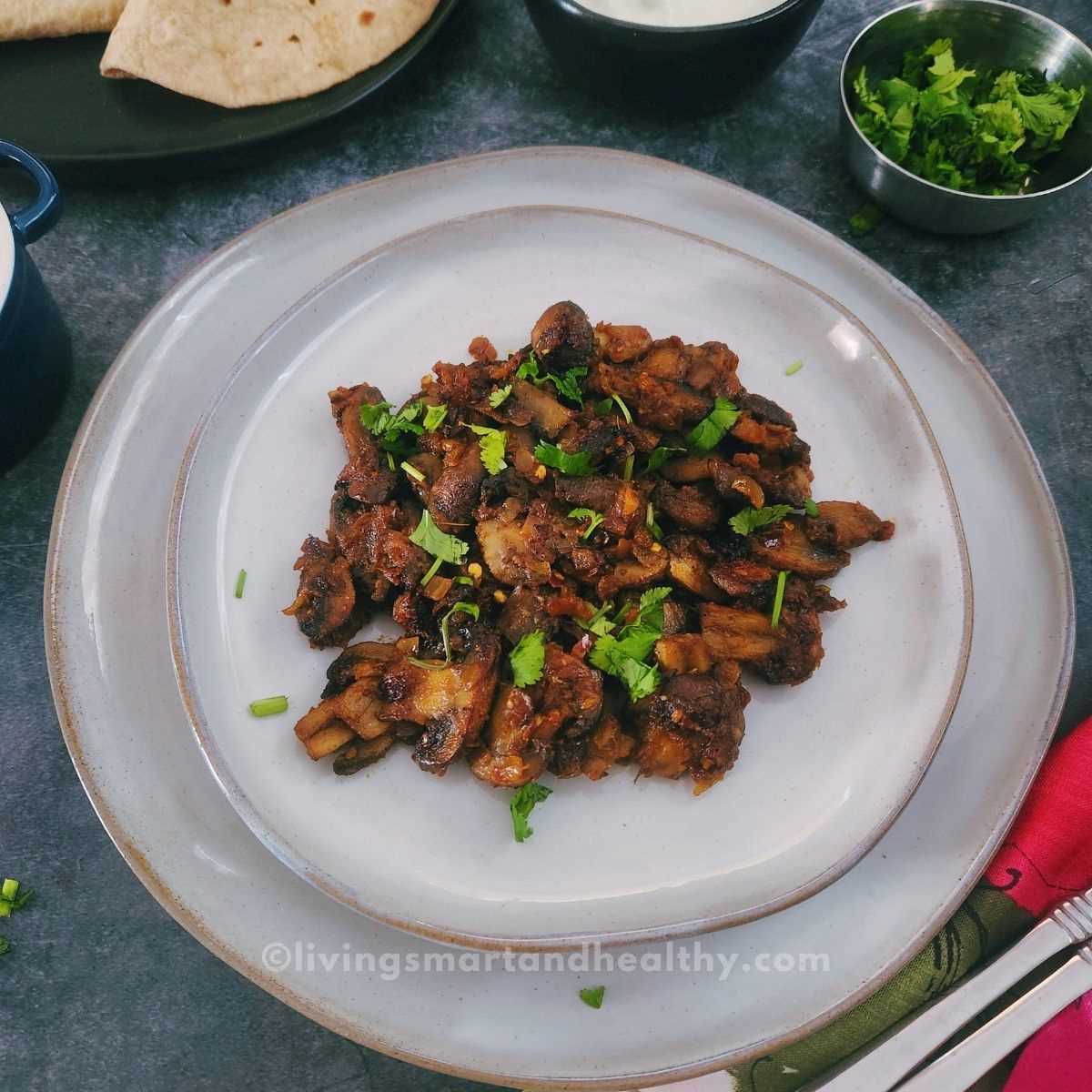
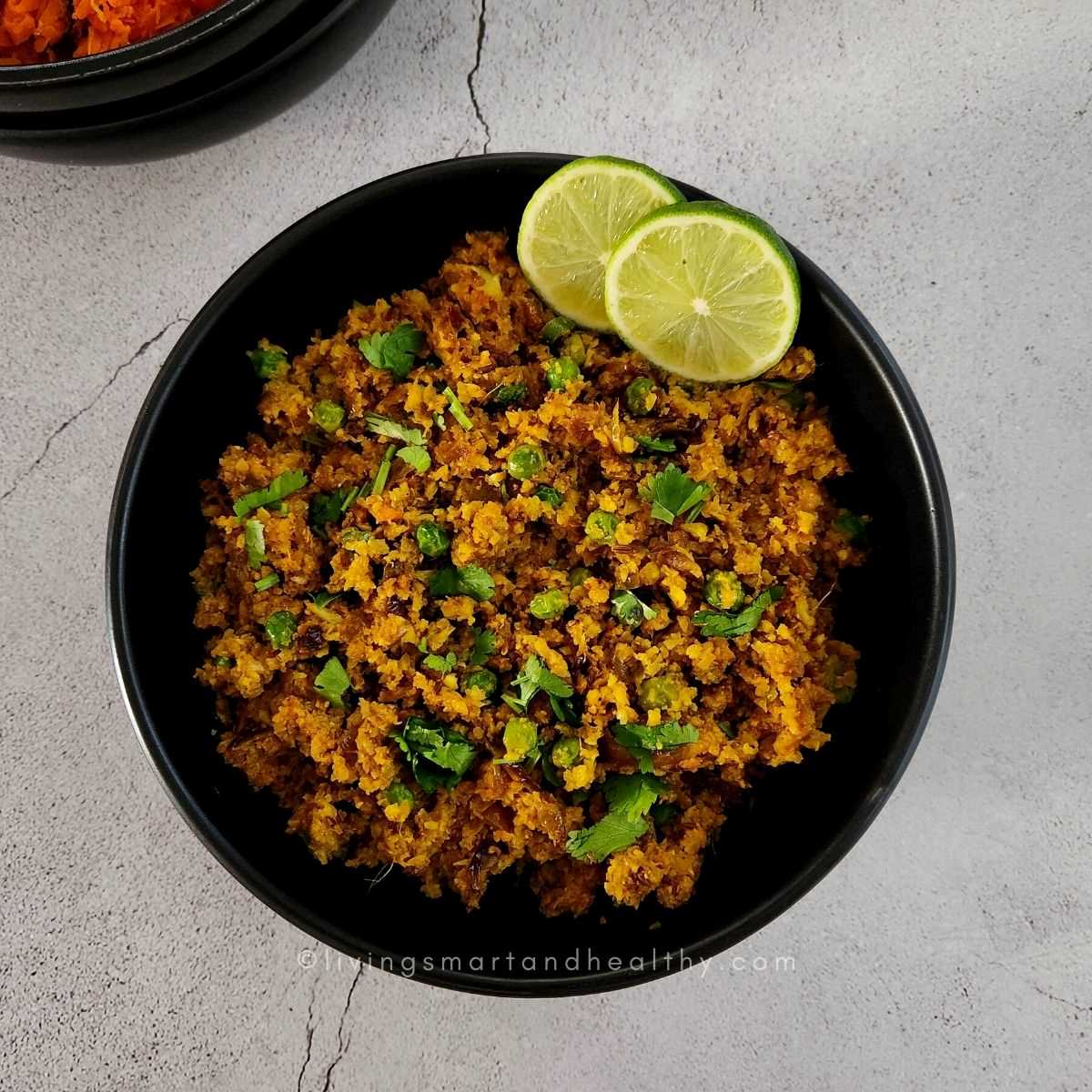
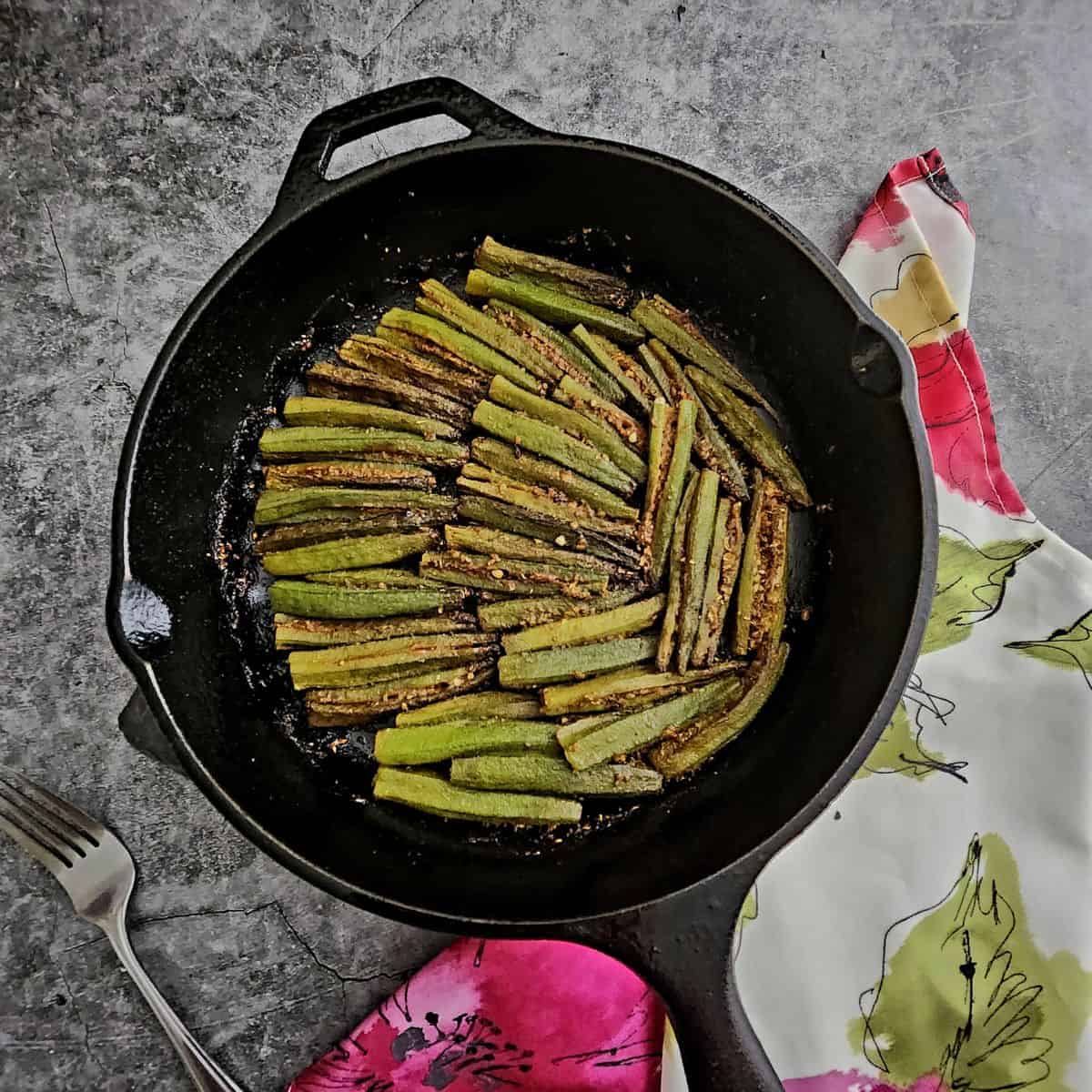
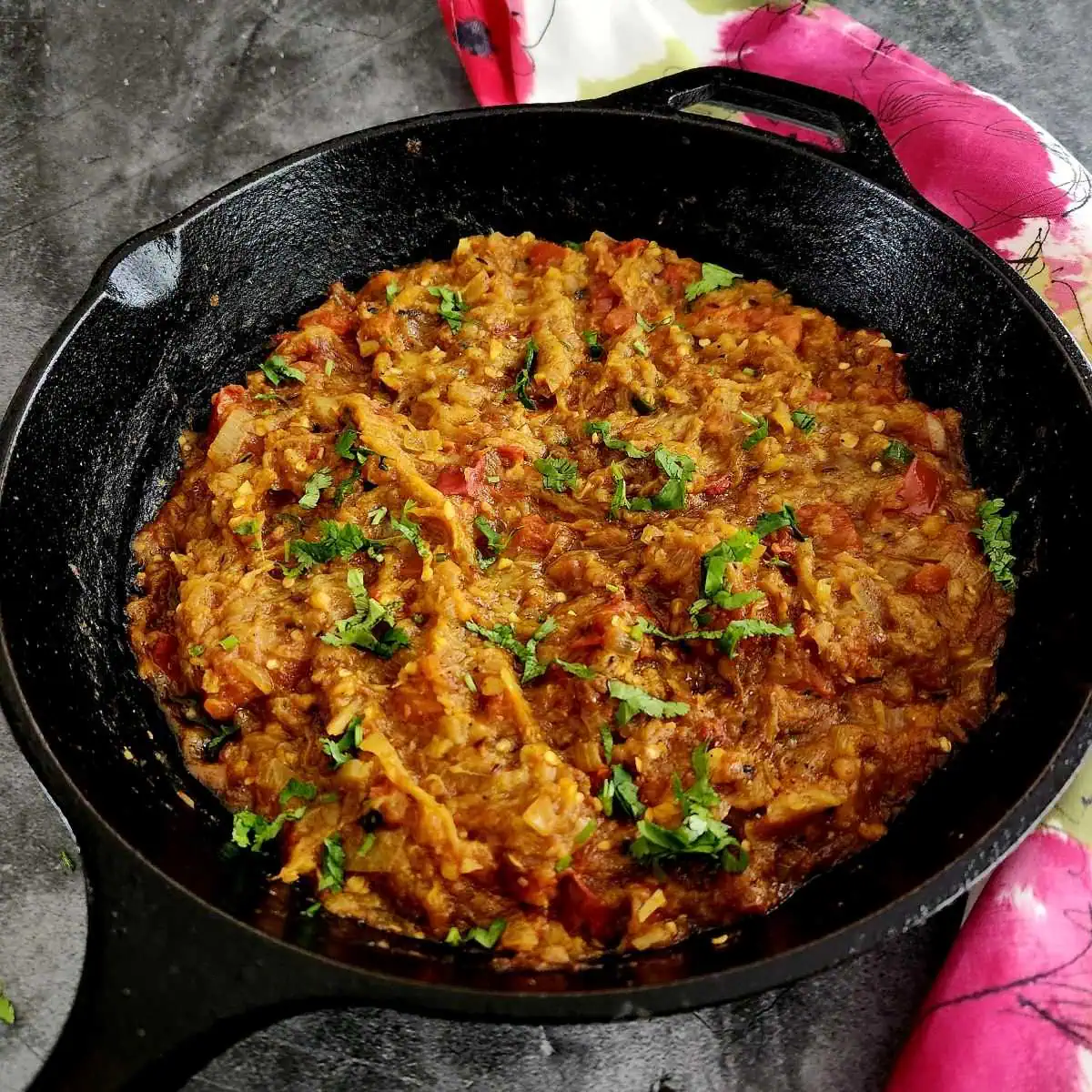
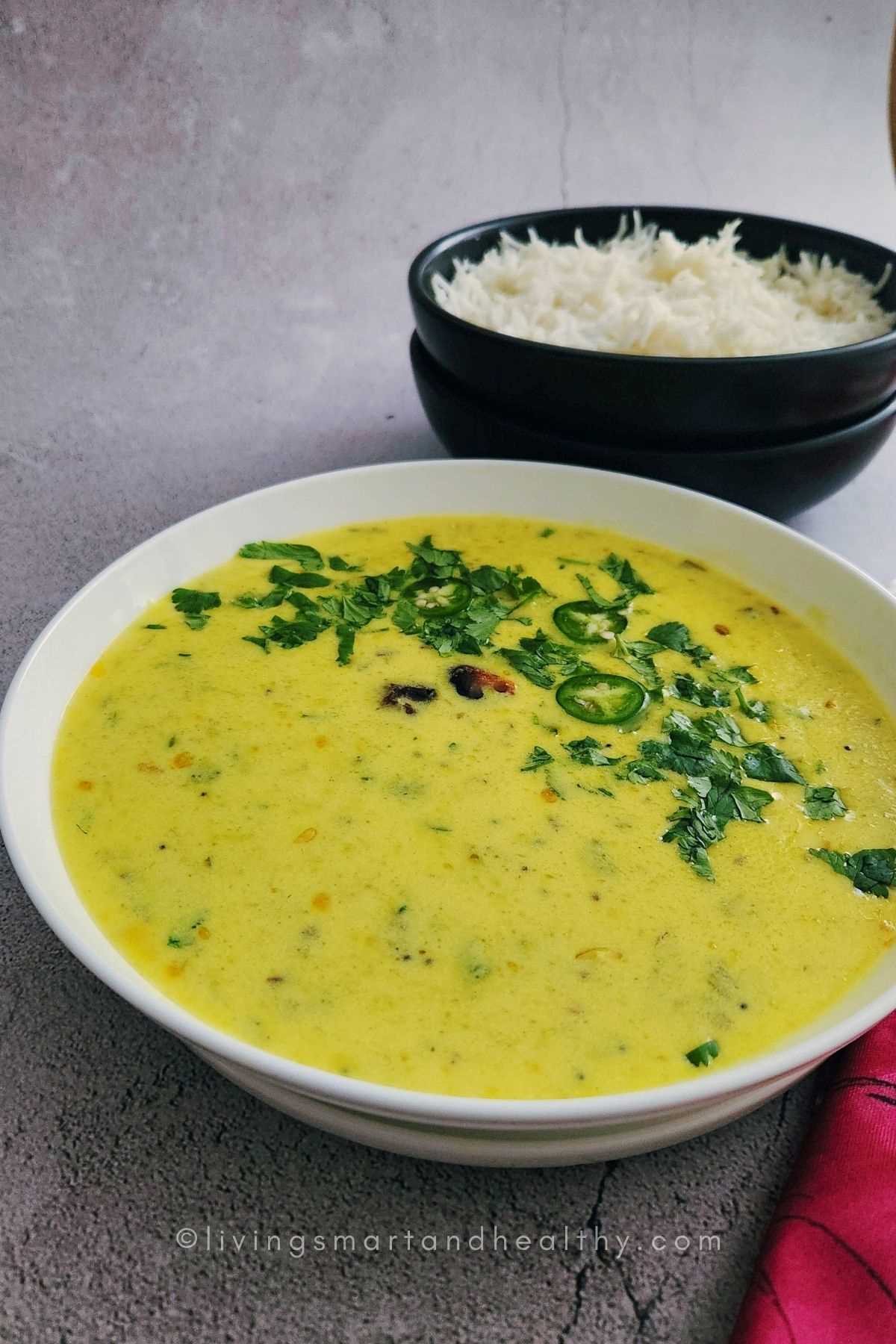
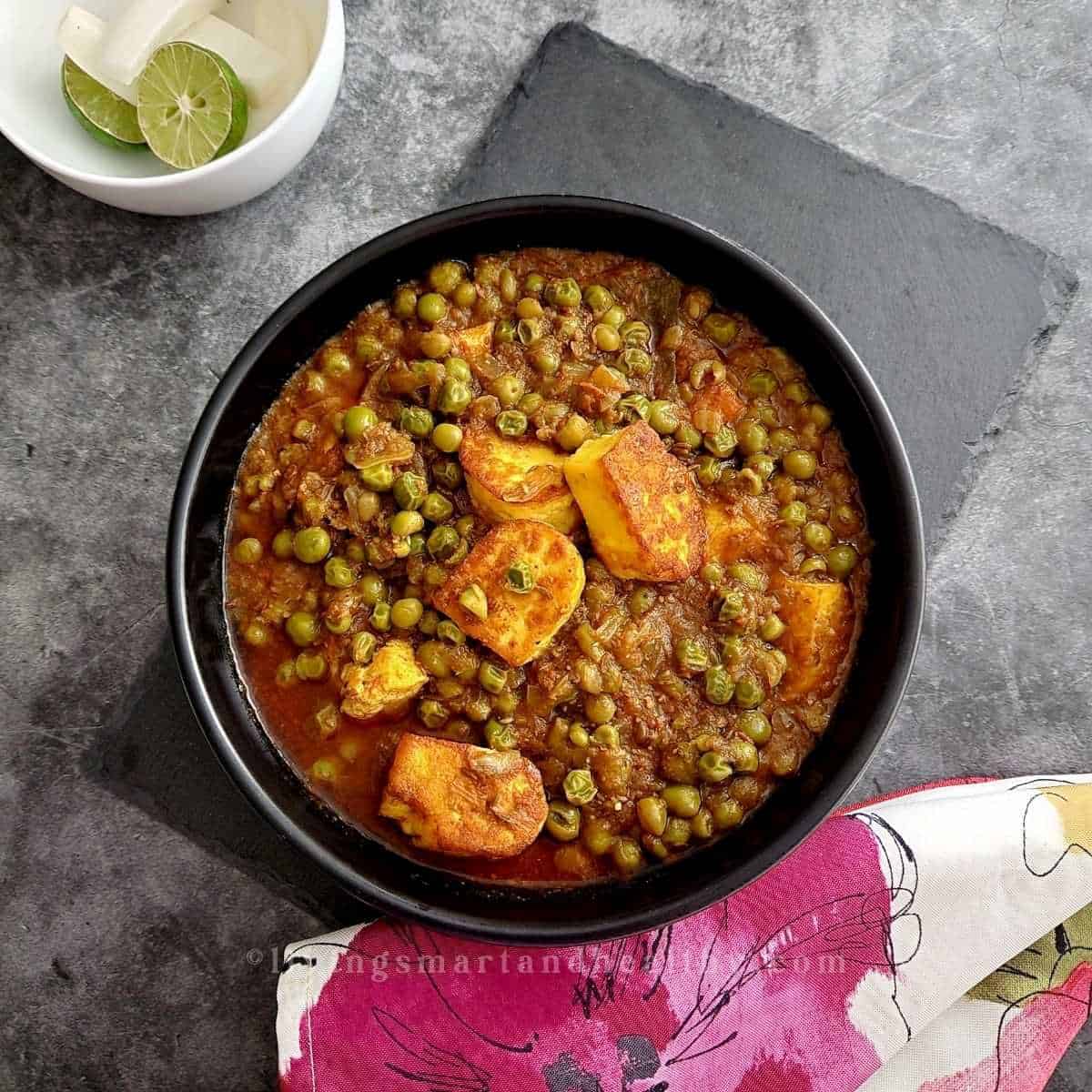
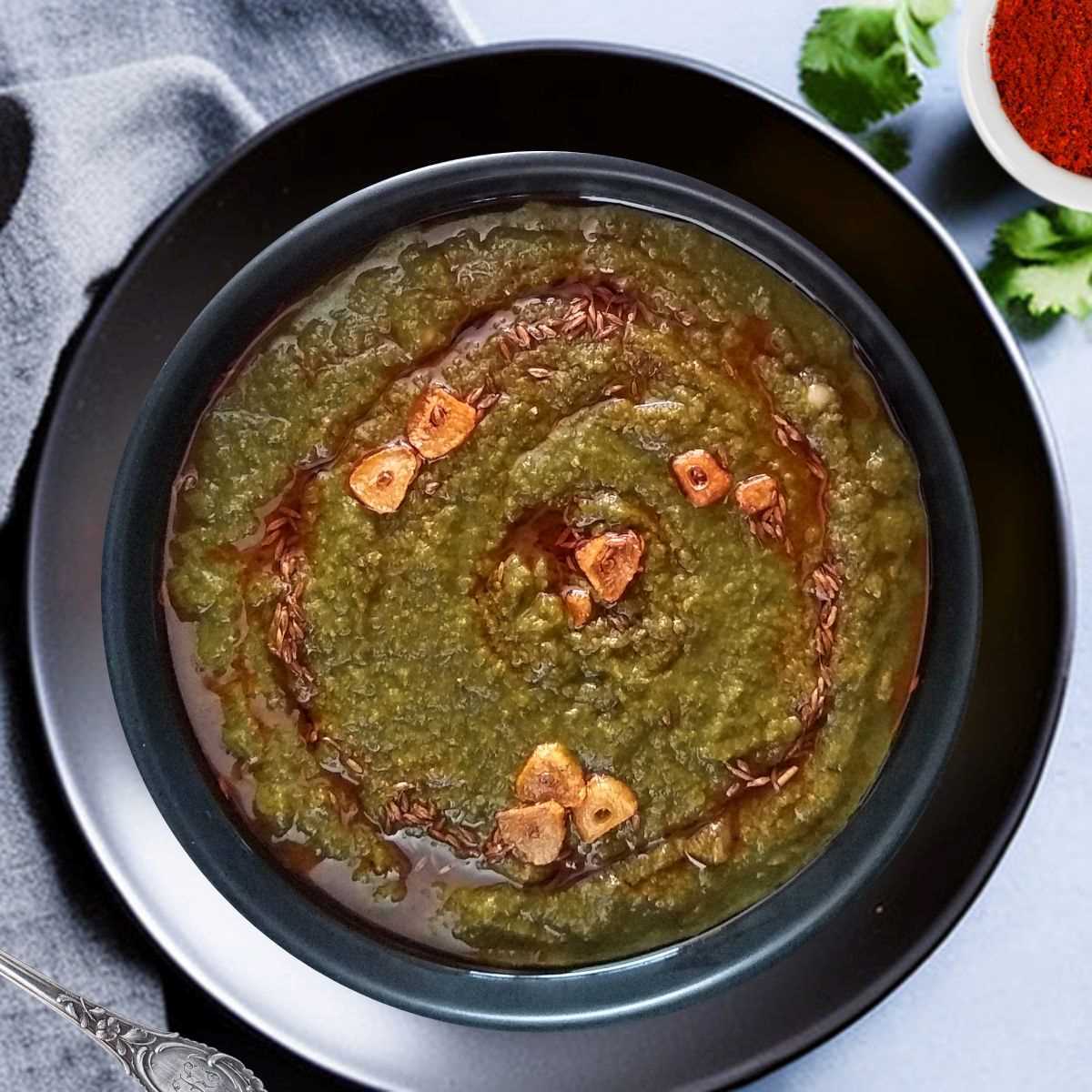
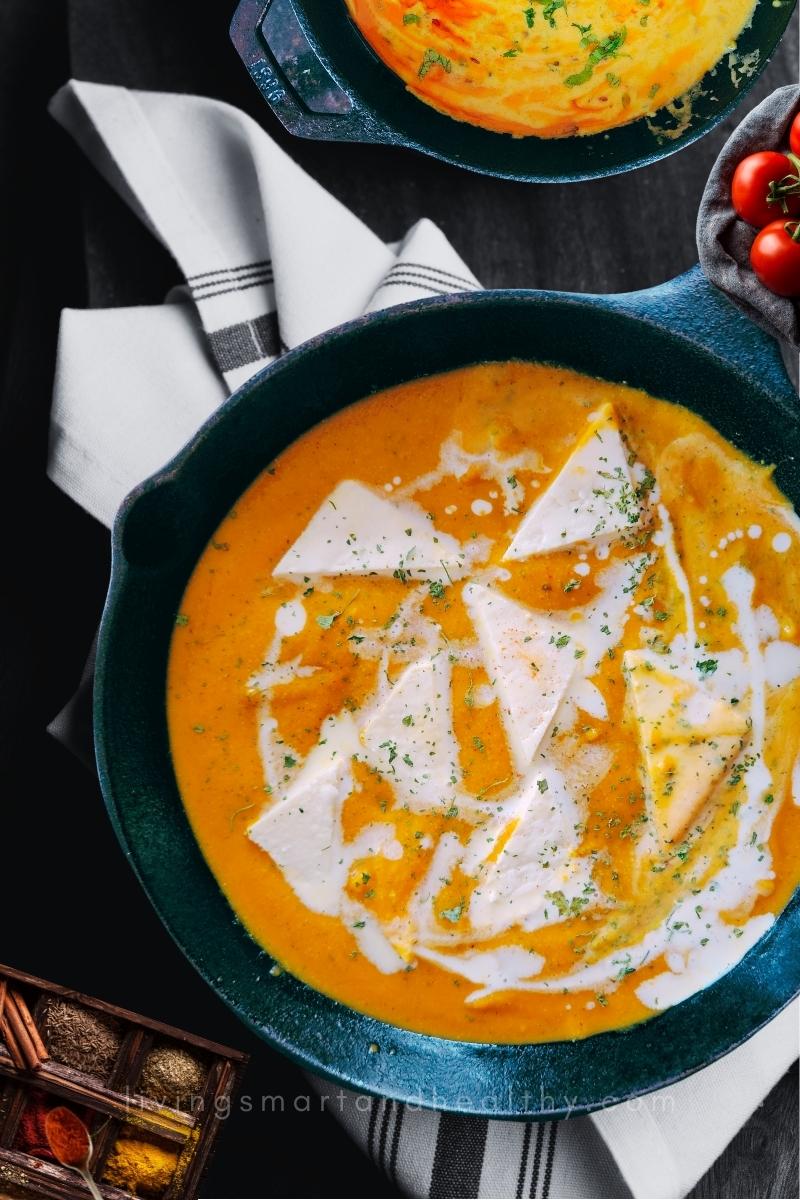
Sabzis & Stir-Fries
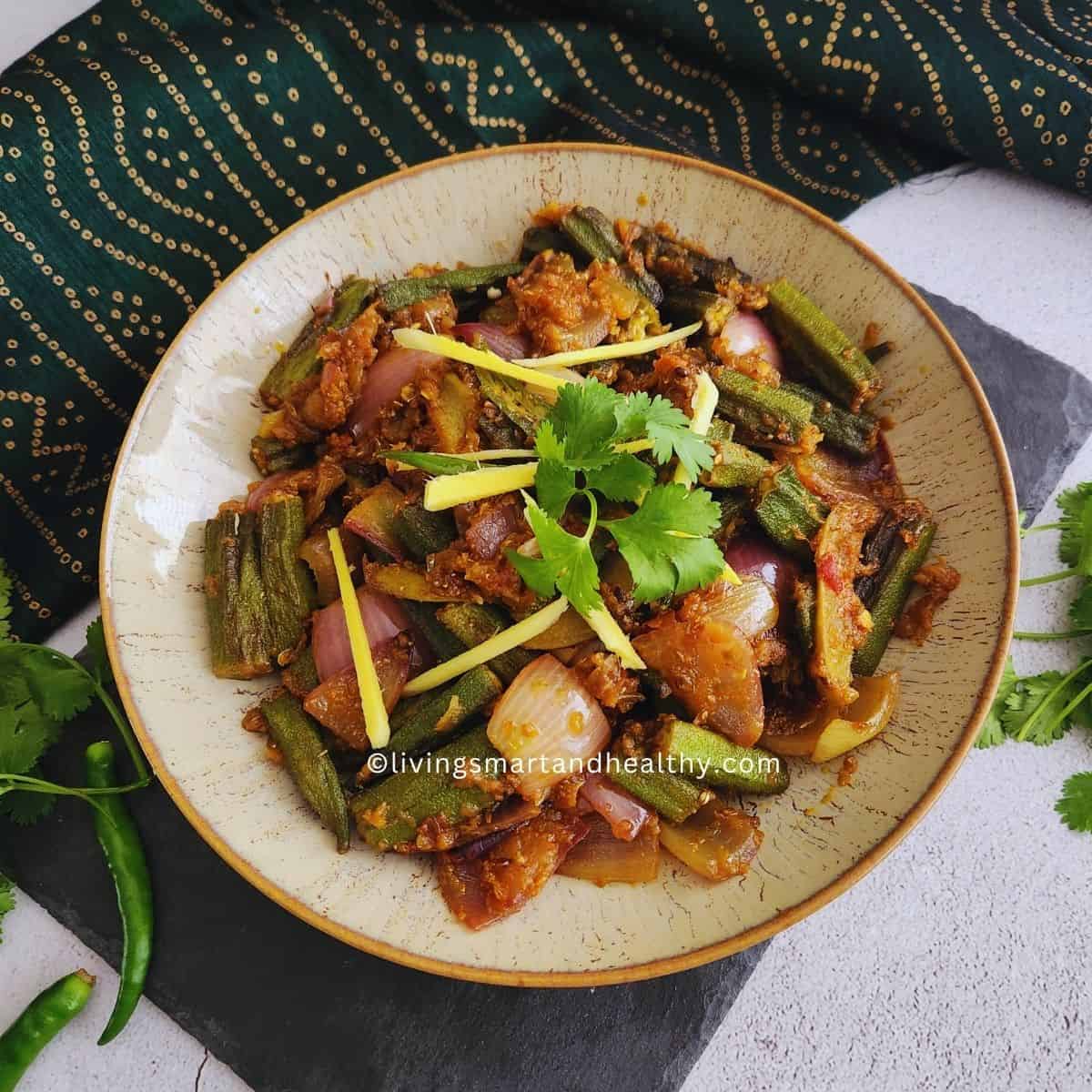
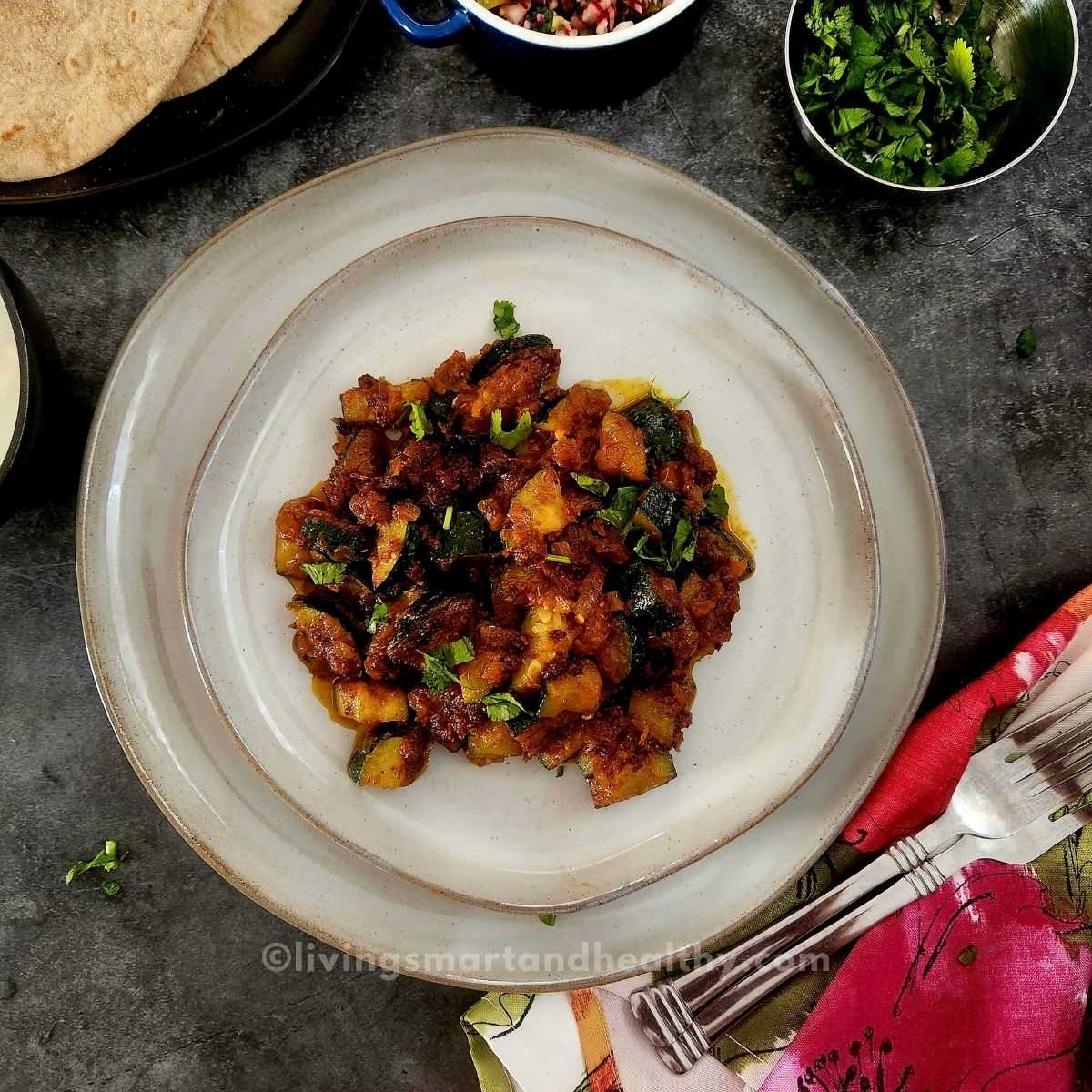
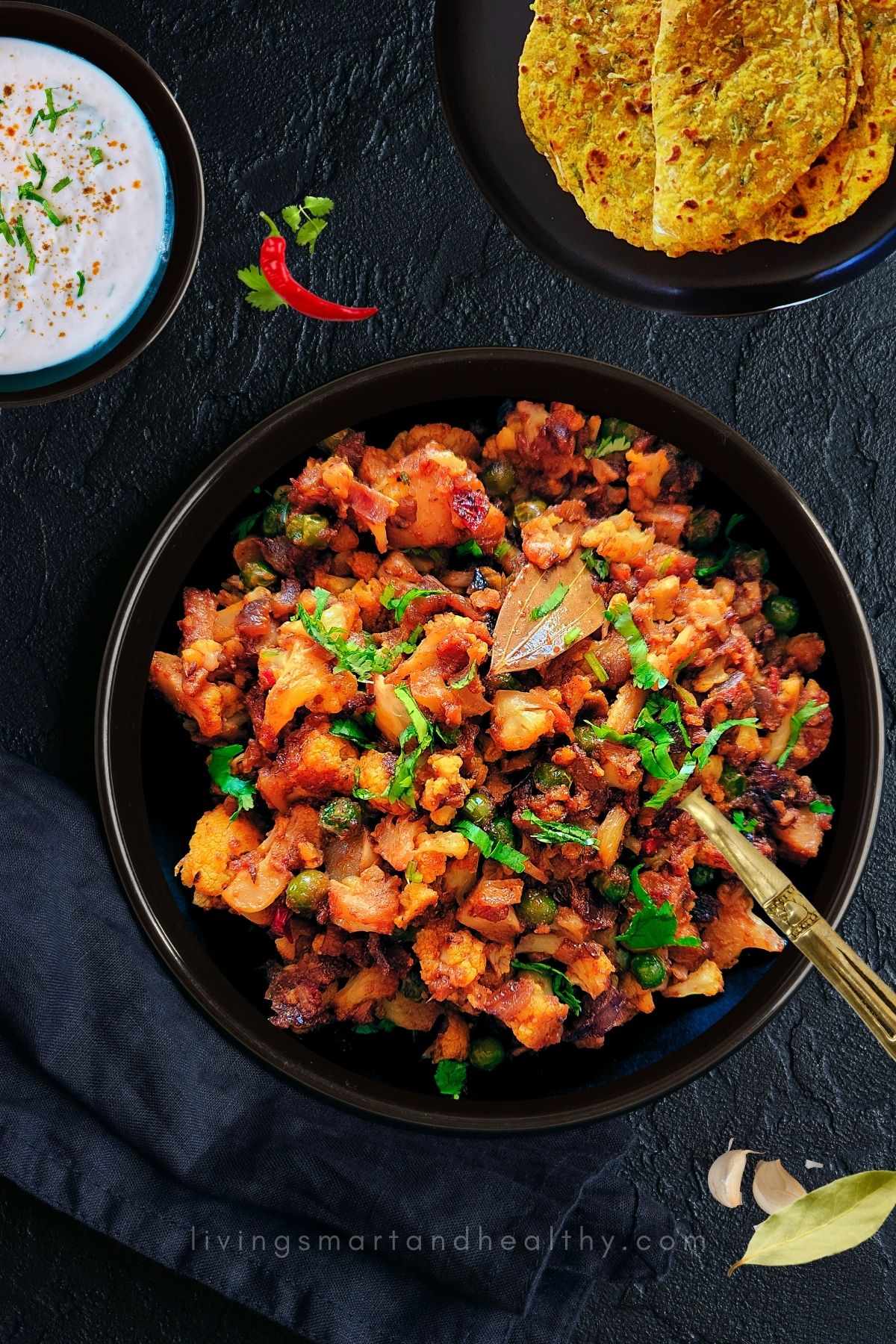
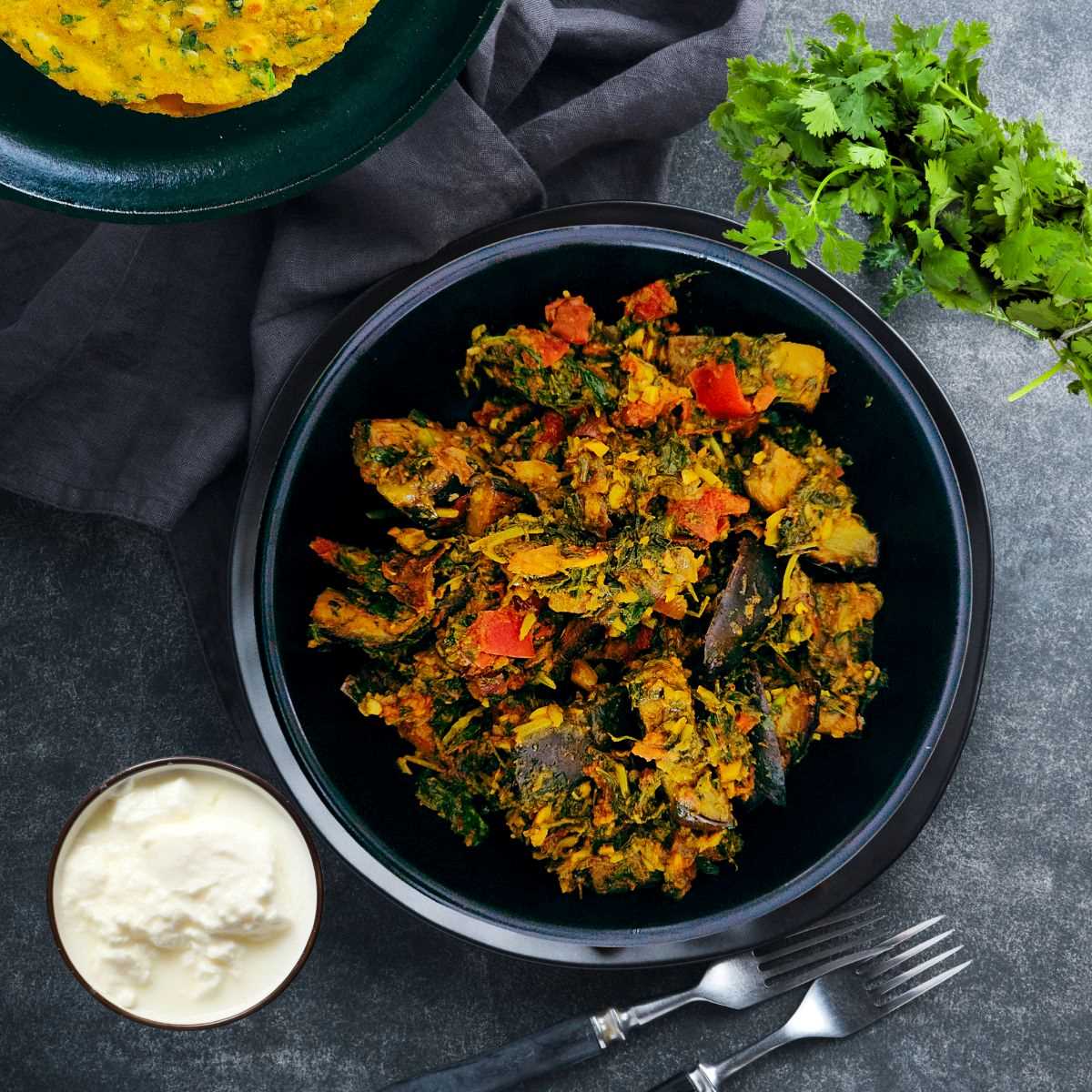
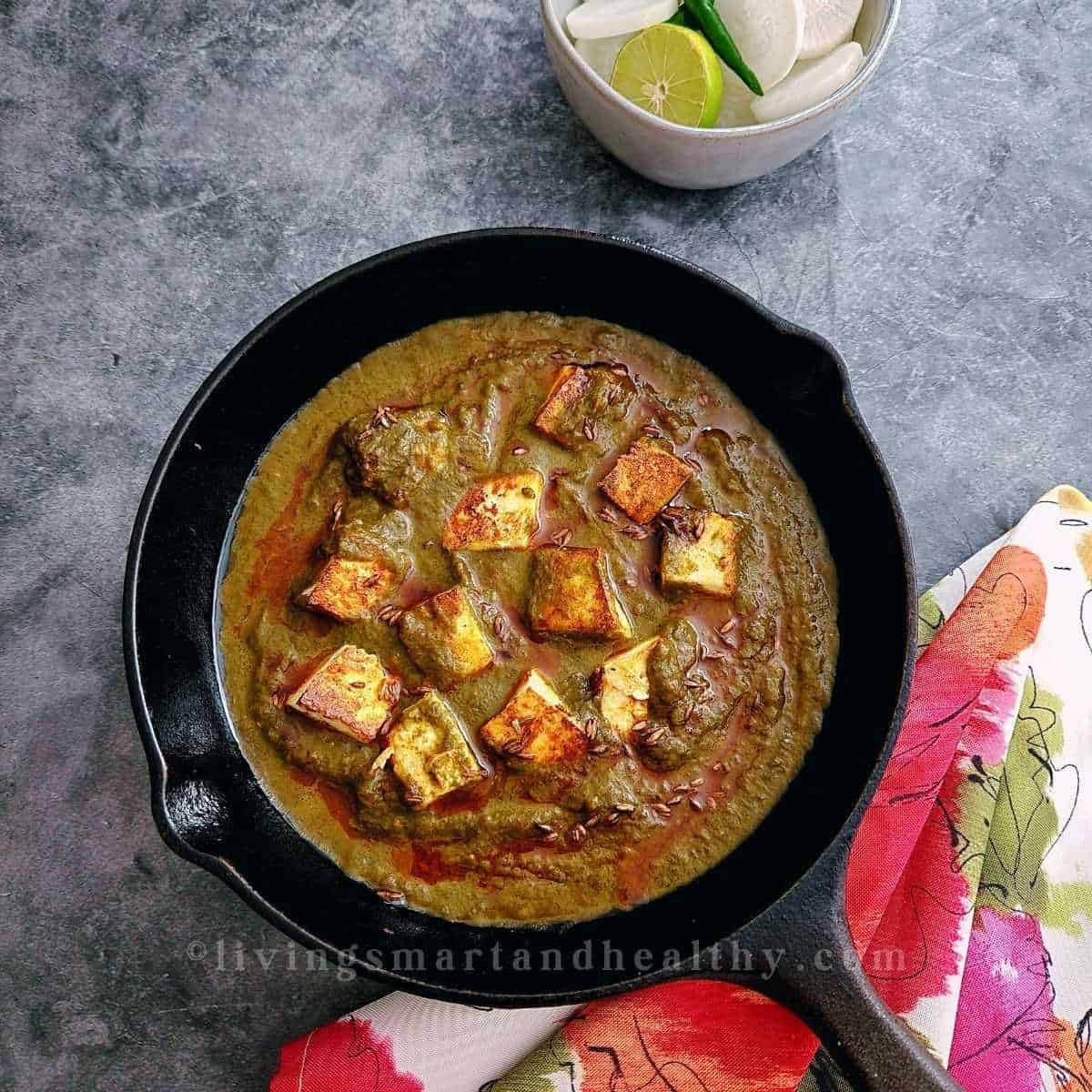
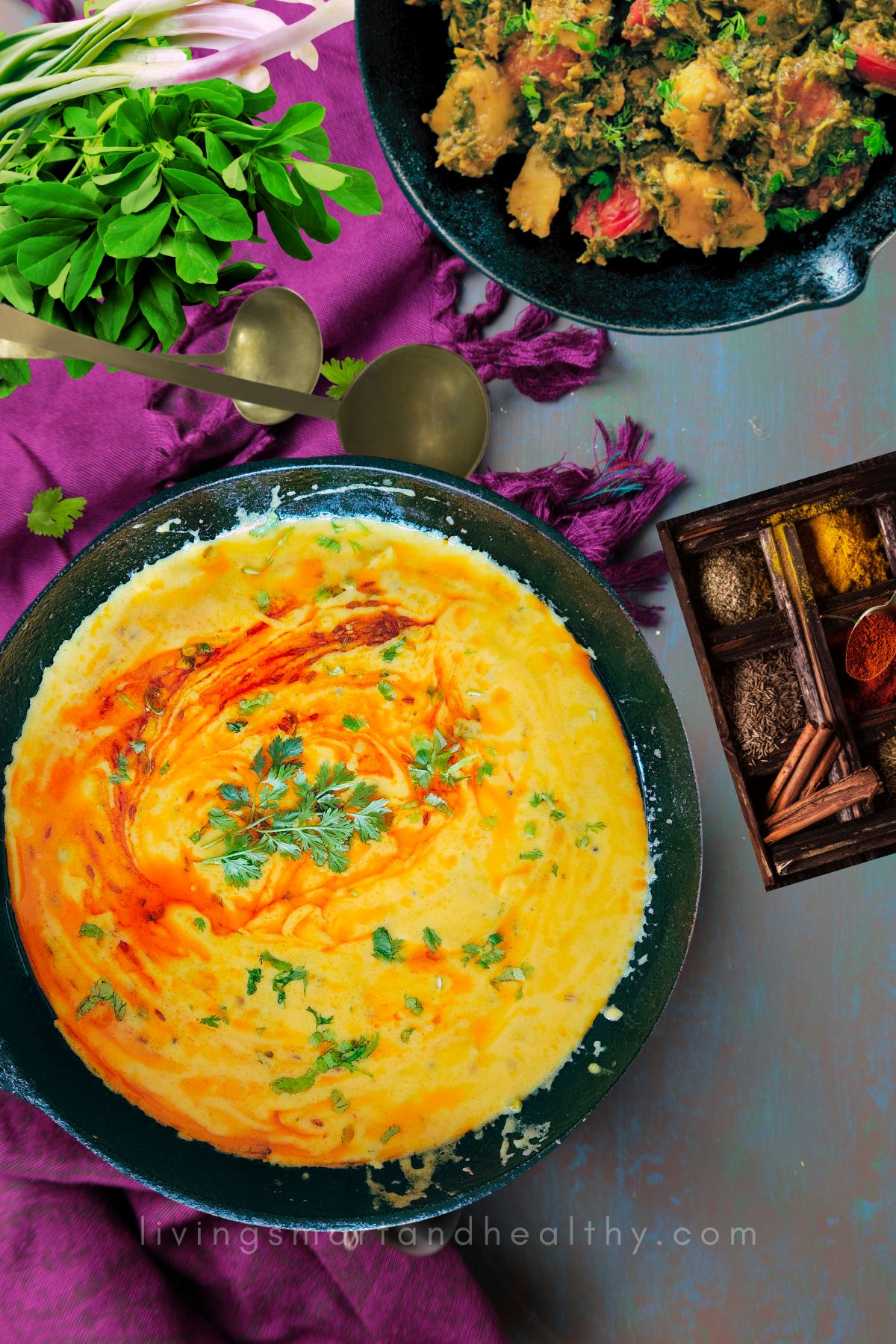
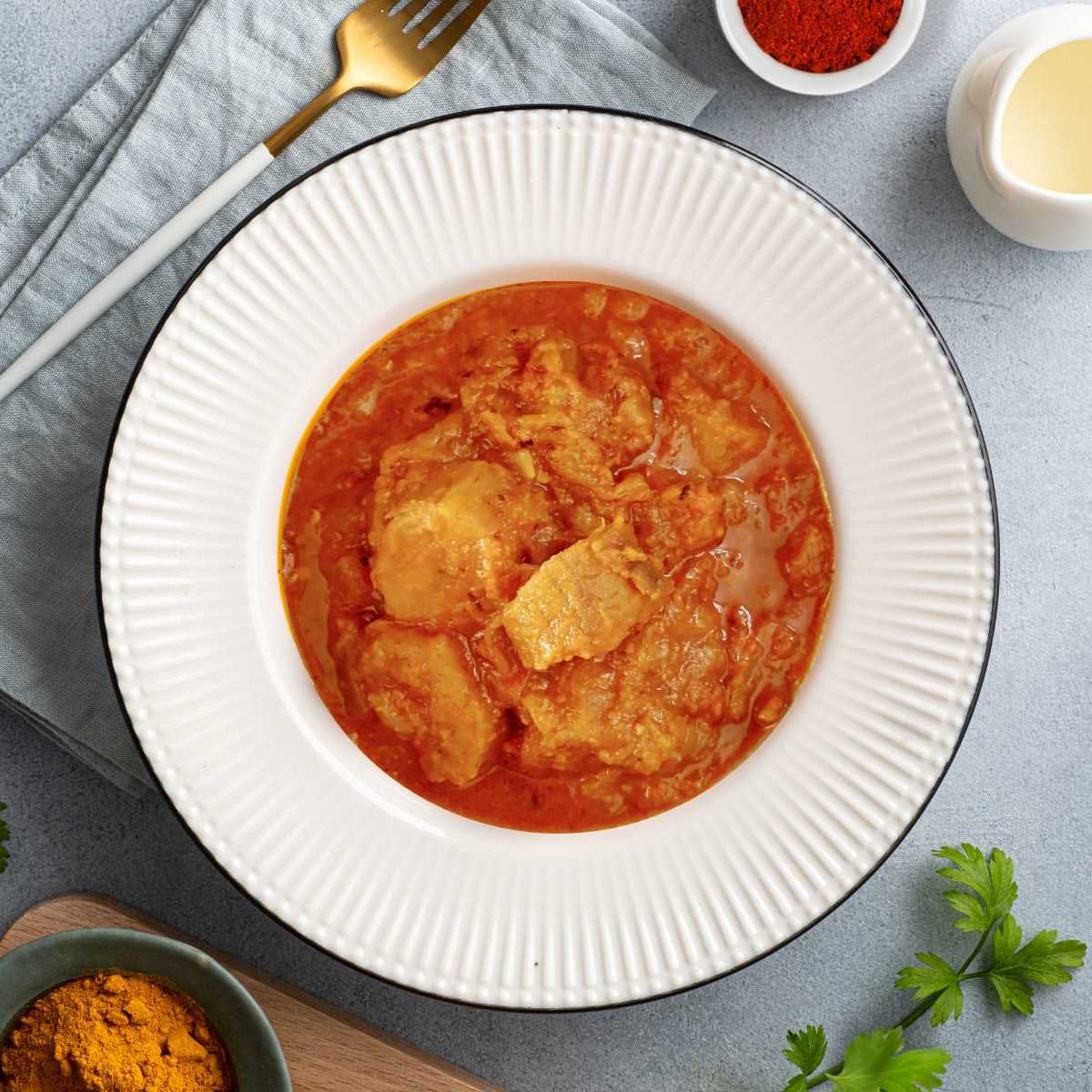
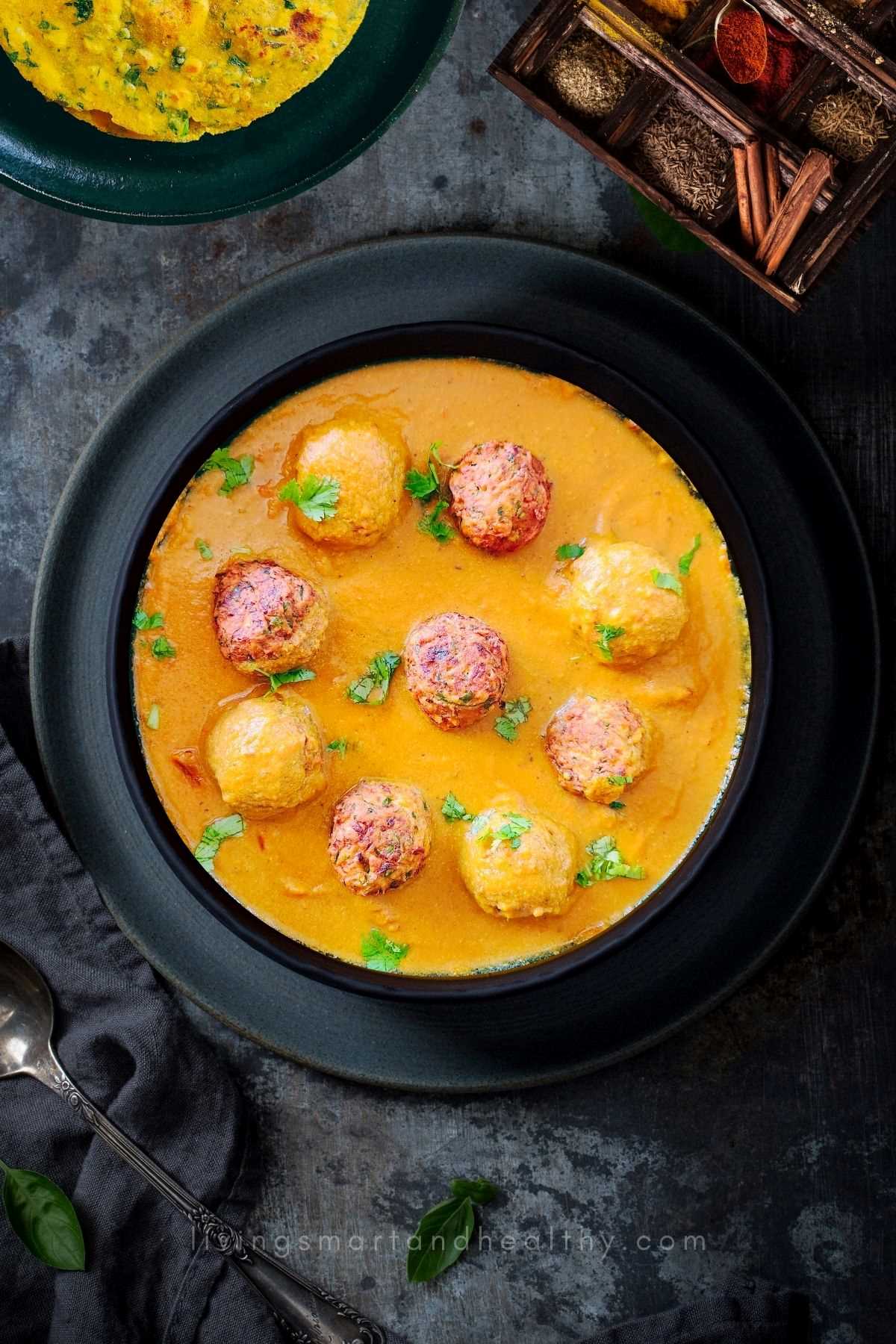
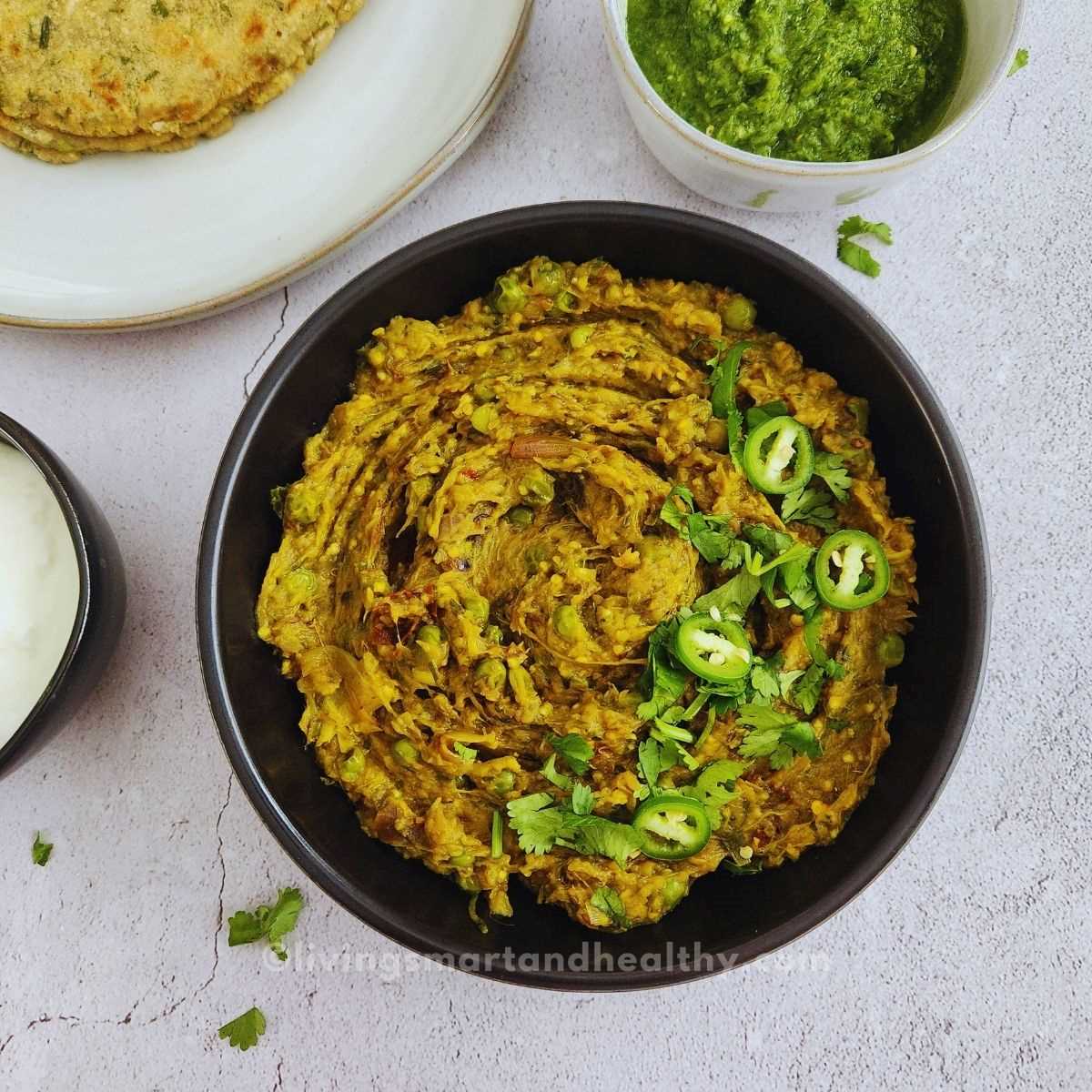
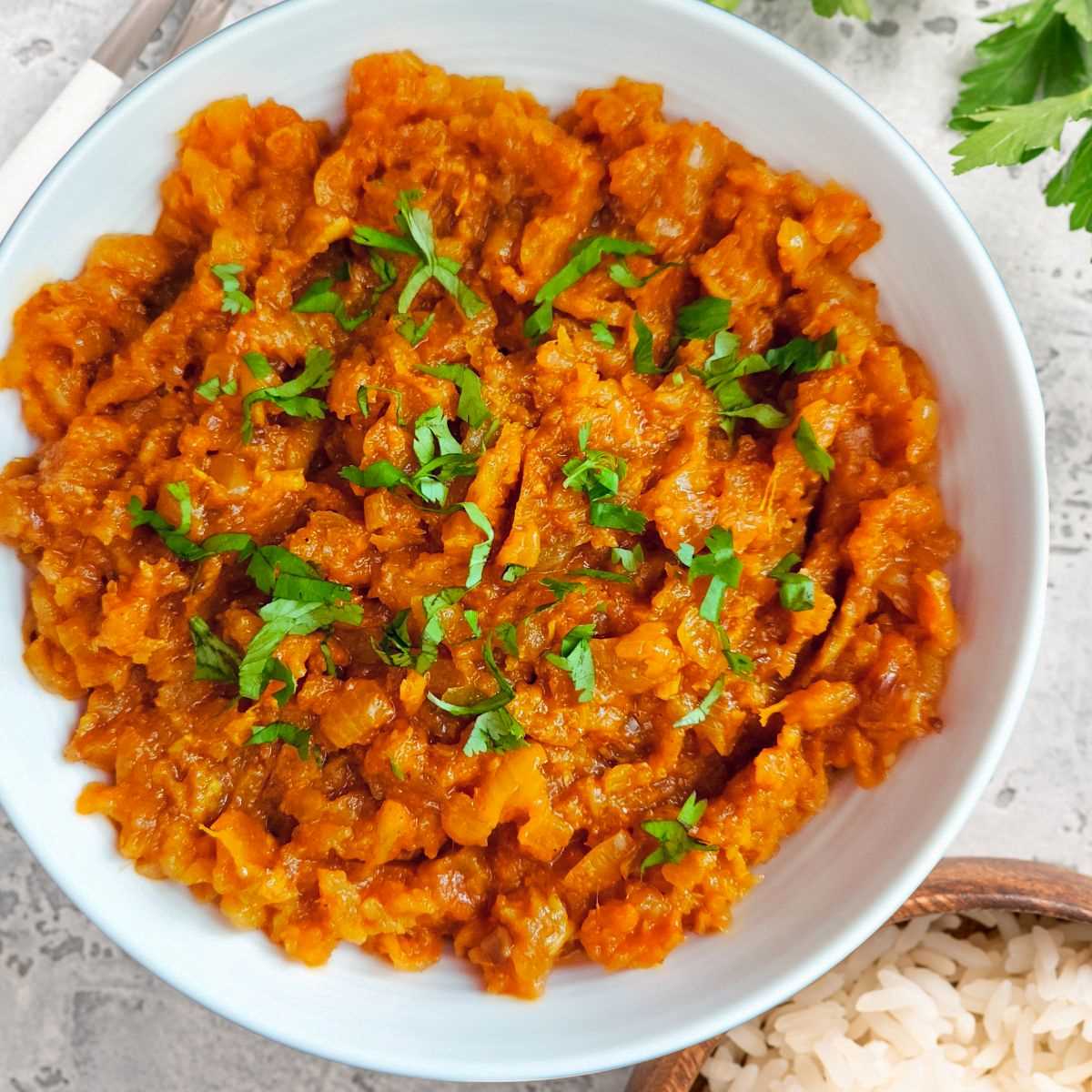
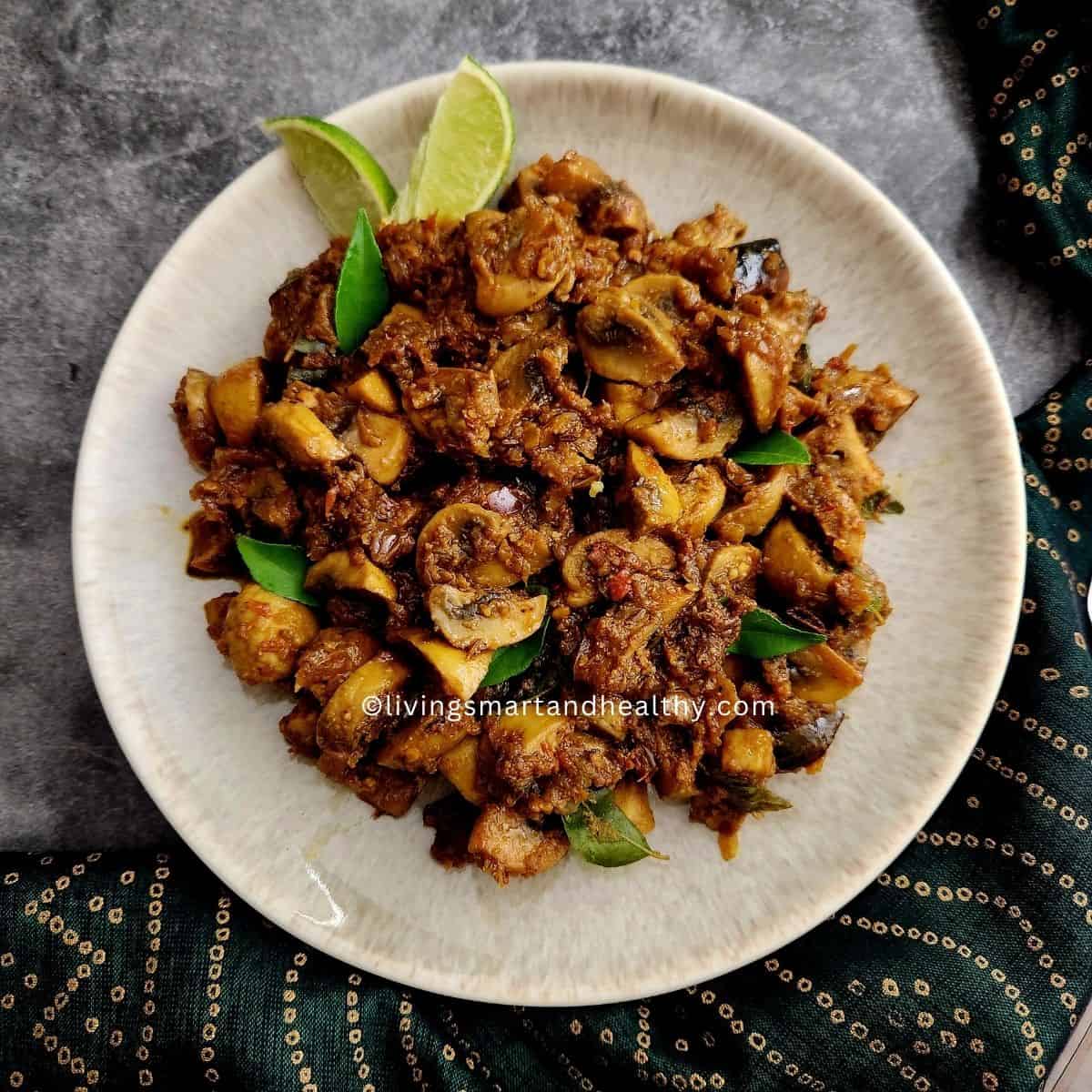
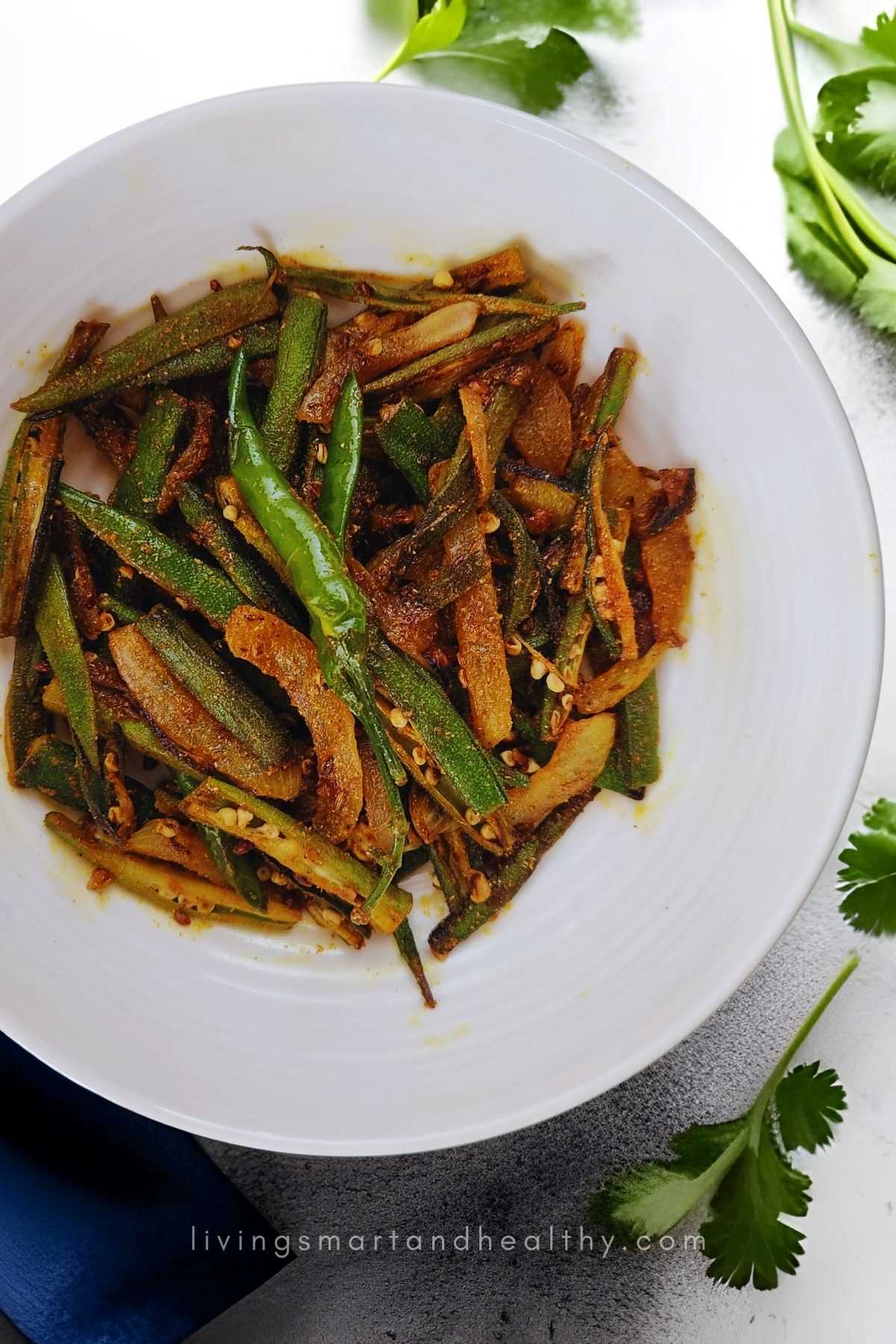
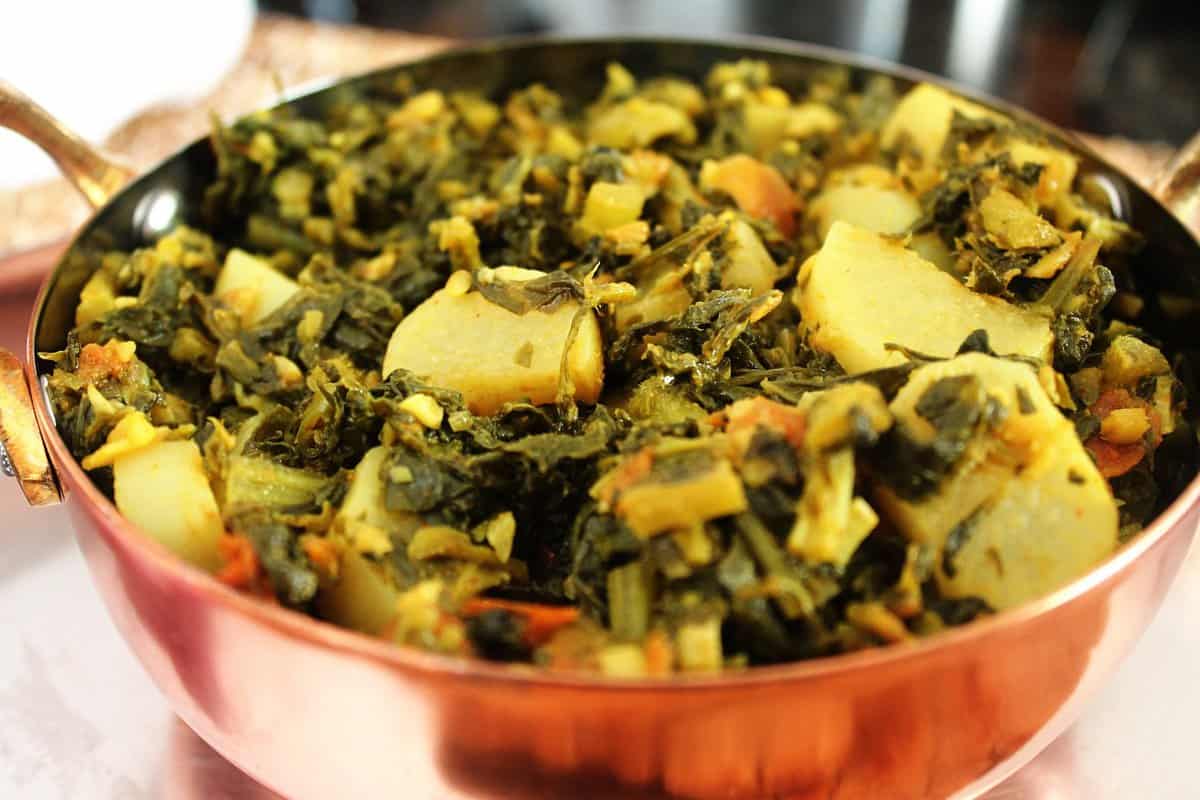
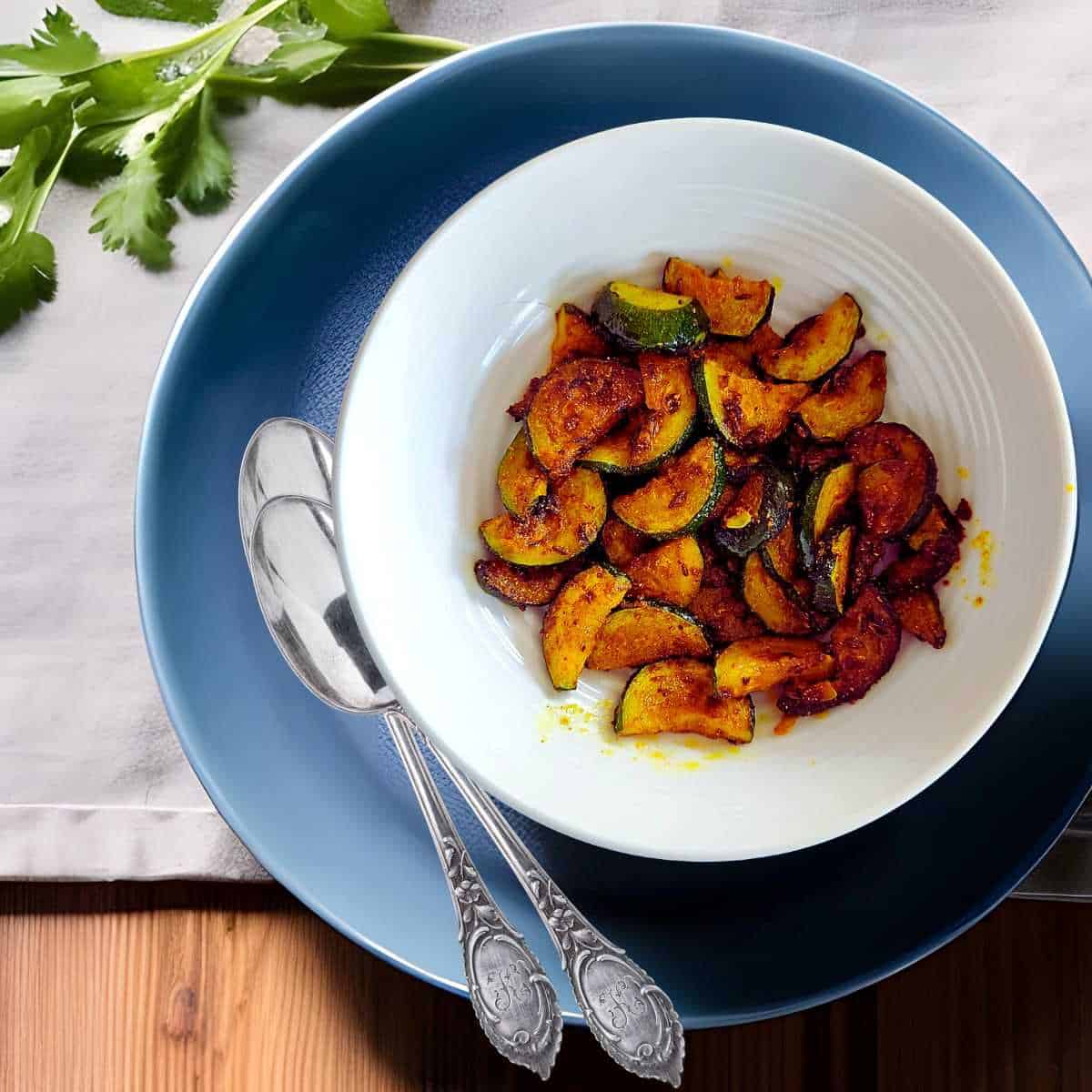
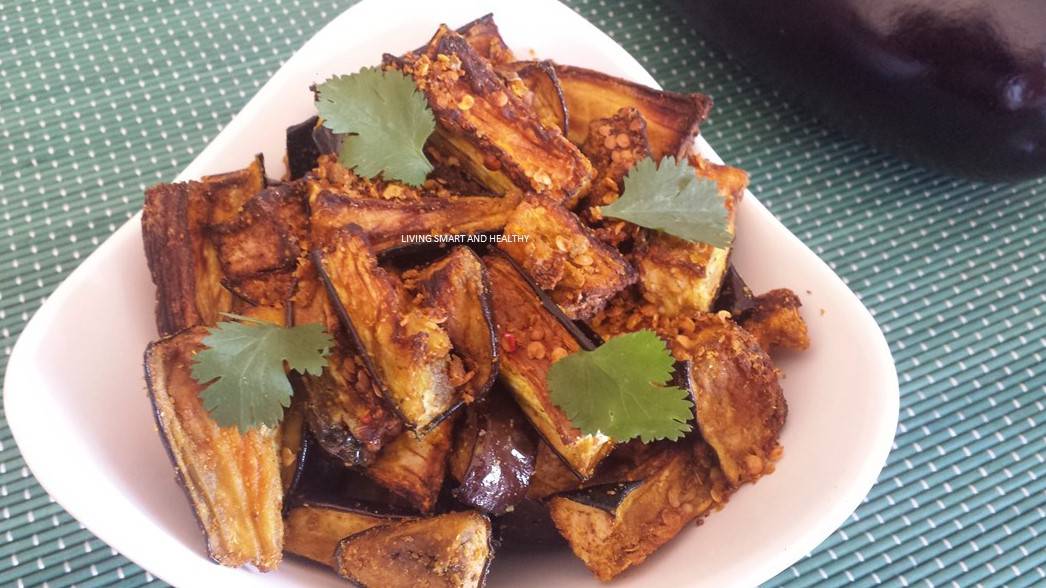
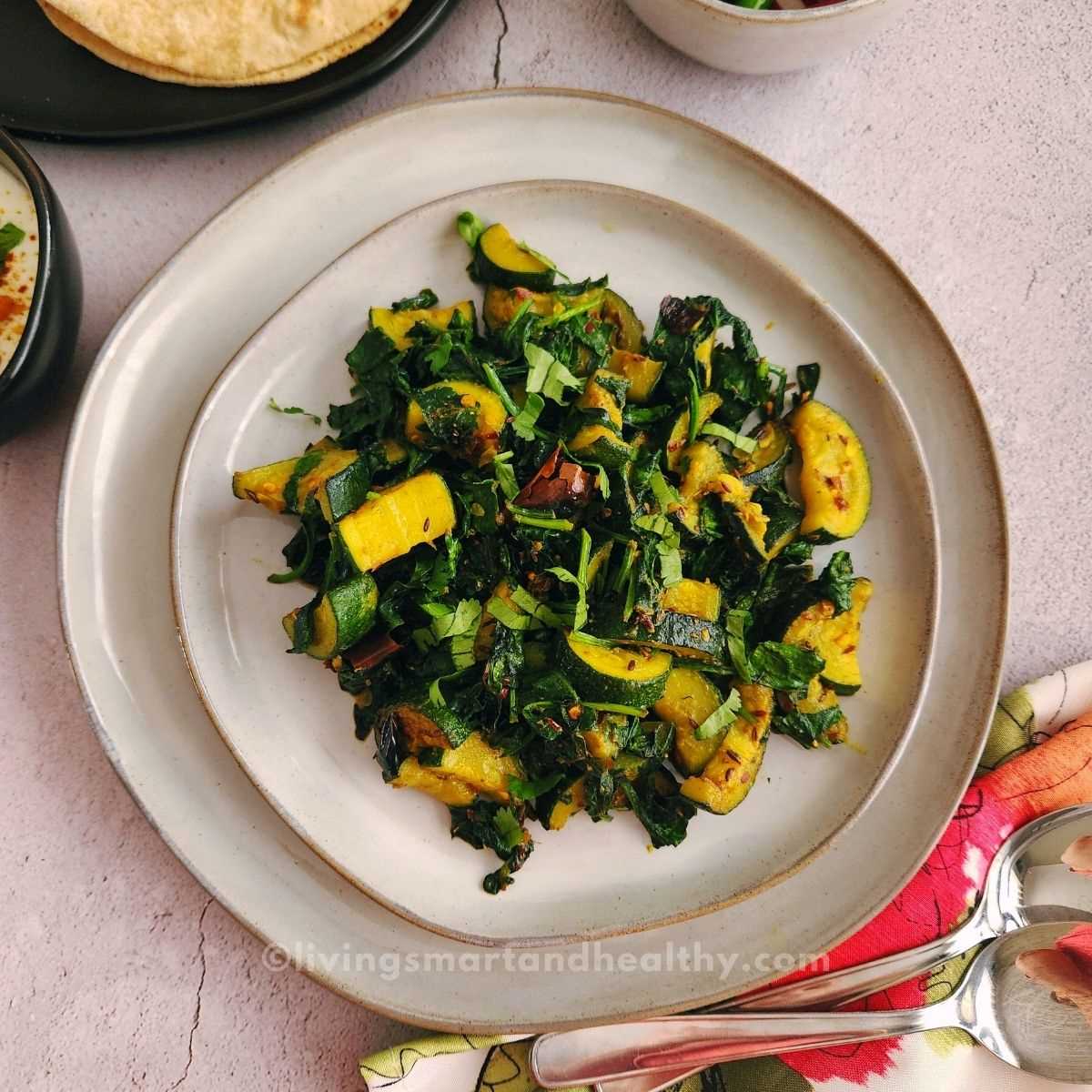
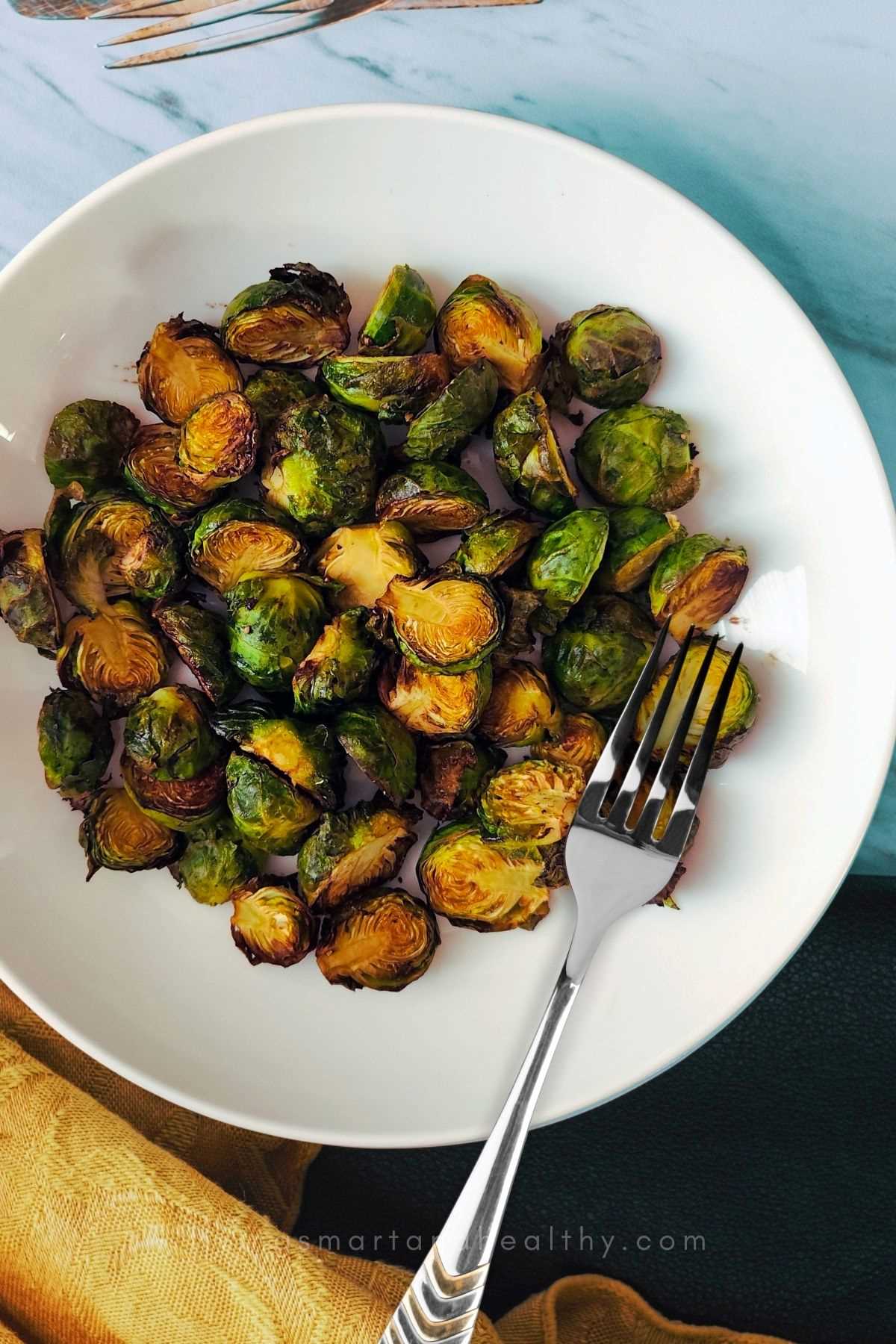
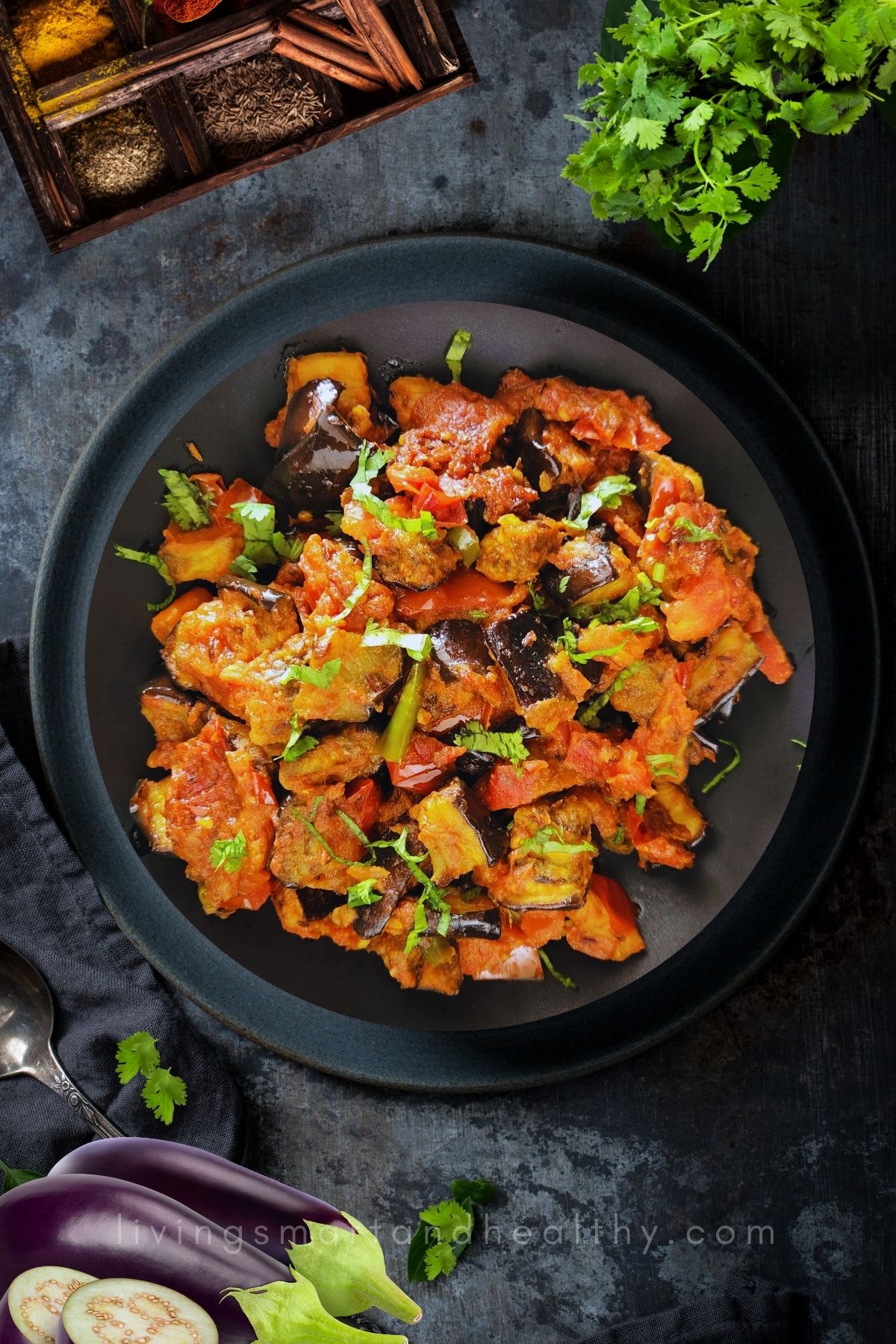
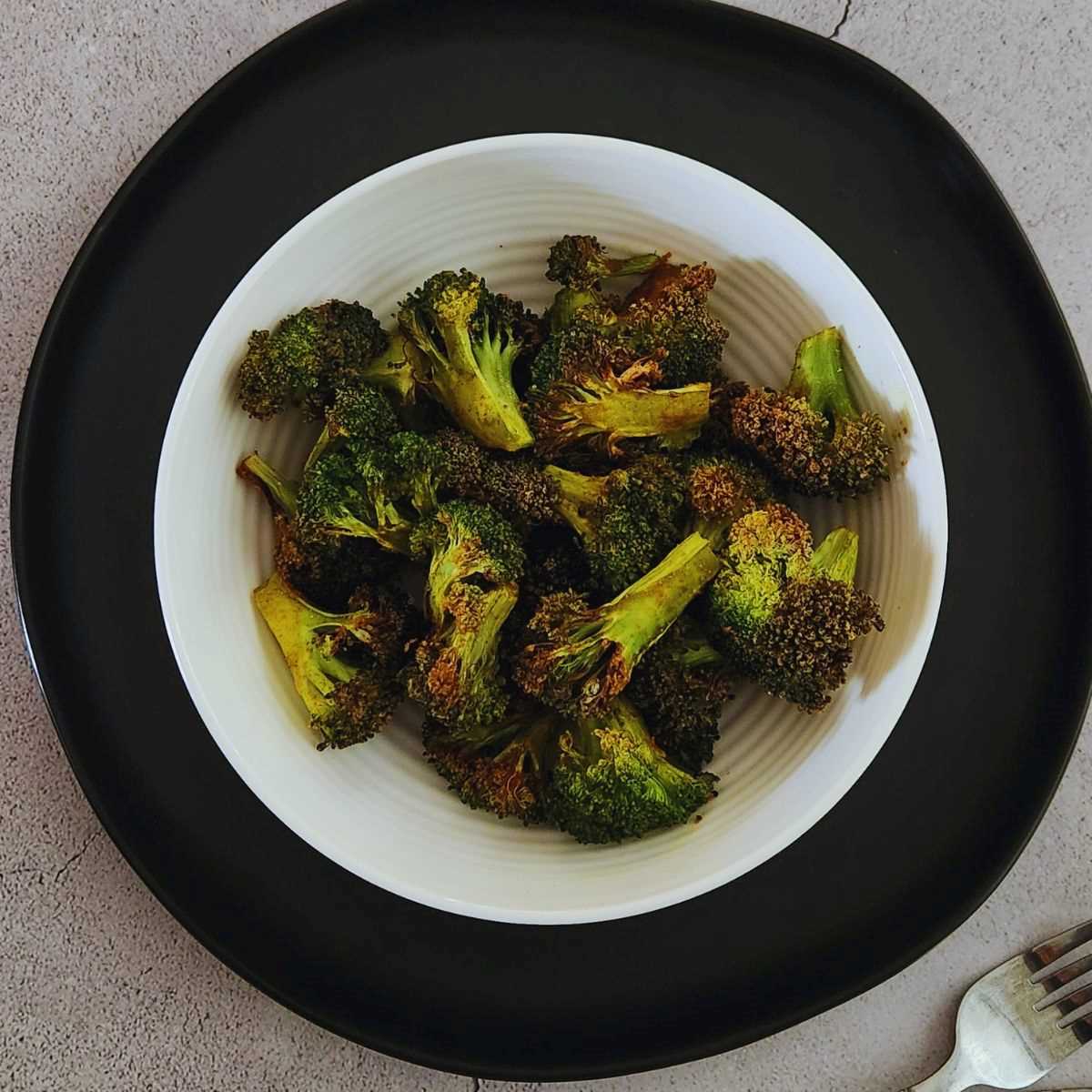
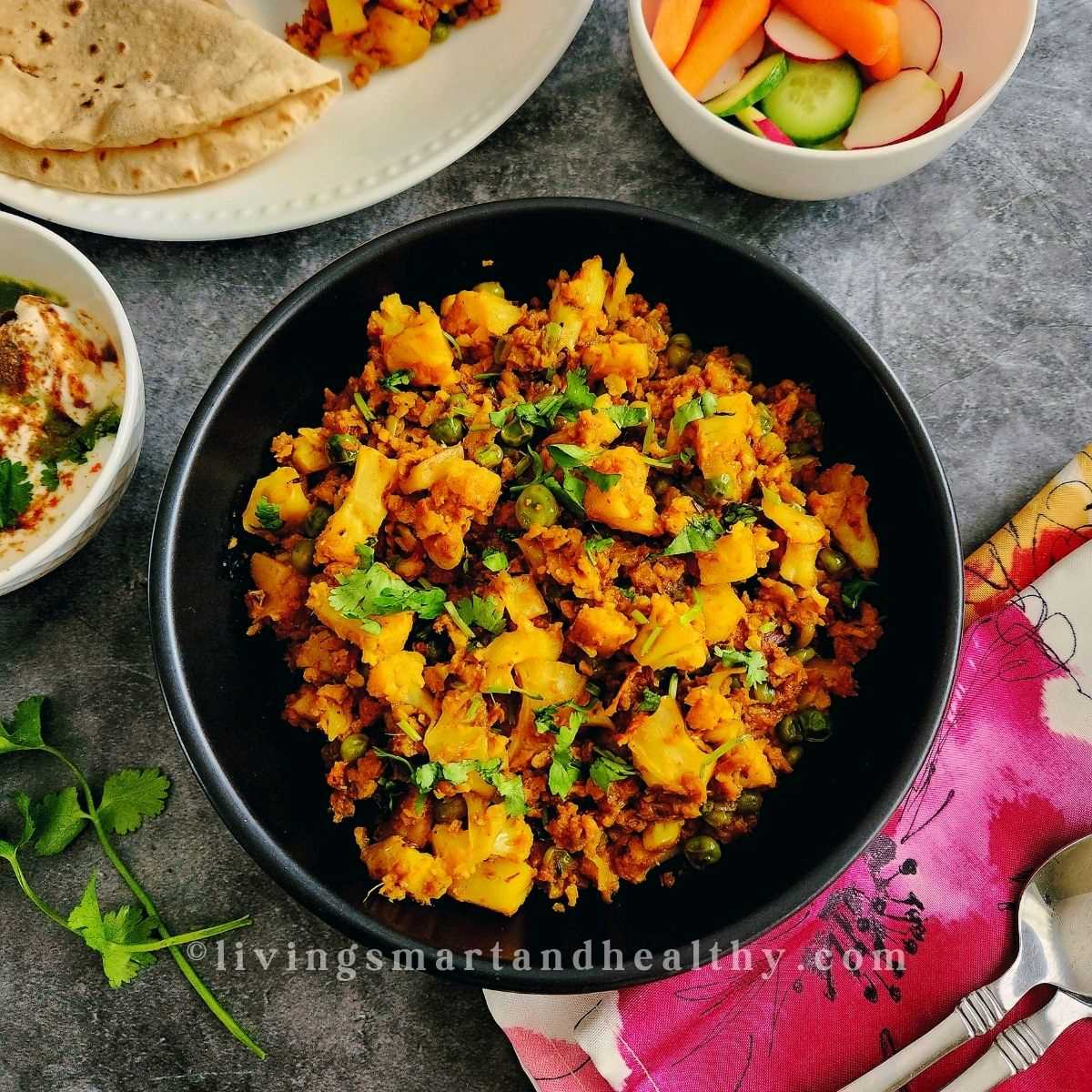
Karela (bitter gourd), lauki (bottle gourd, a mild, water-rich squash), turai (ridge gourd), bhindi (okra), and cabbage are among the best low-carb vegetables in Indian cooking, packed with fiber and nutrients without the carb load. Serve with side of Lauki Raita, Bathua Raita, or Onion Tomato Raita
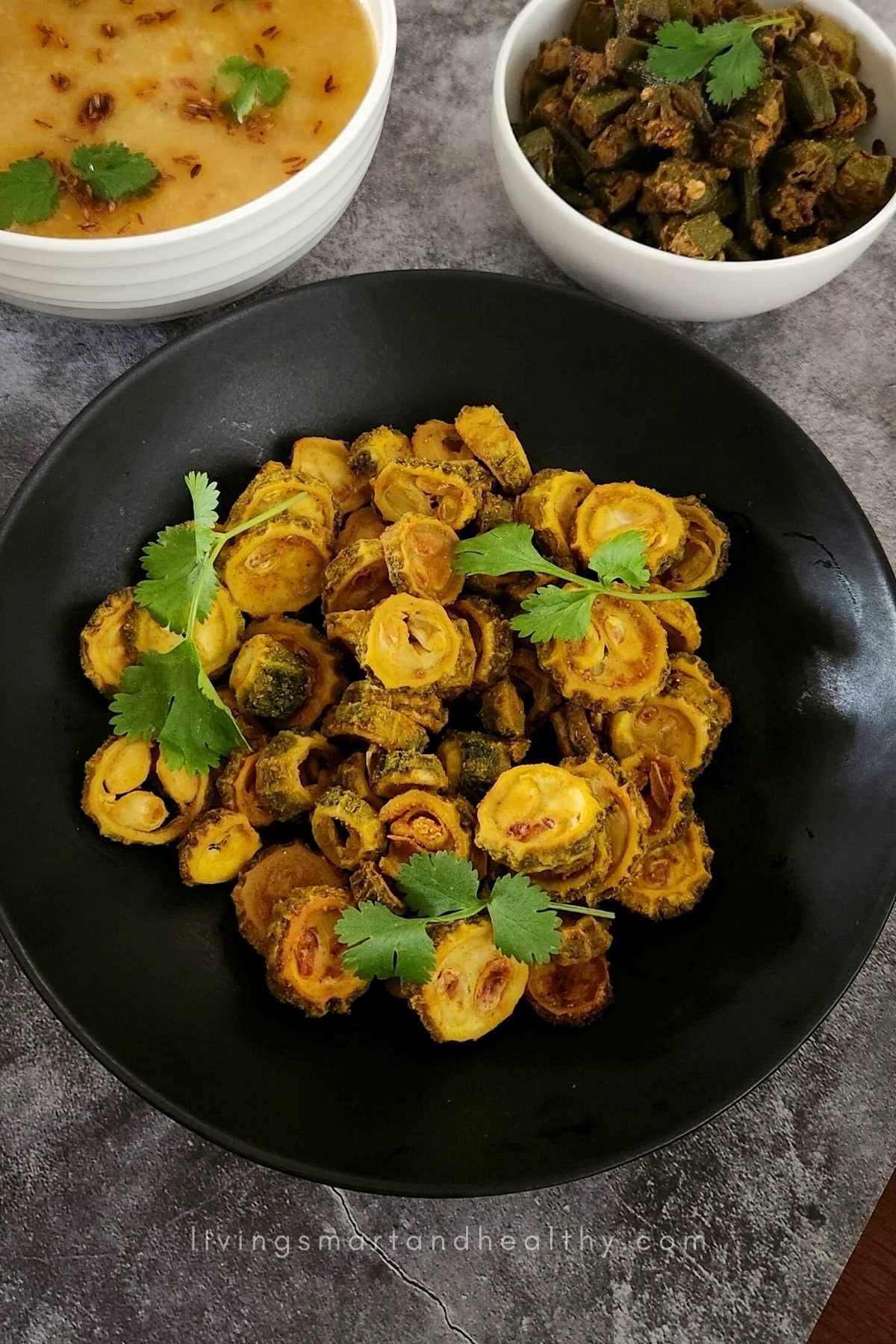
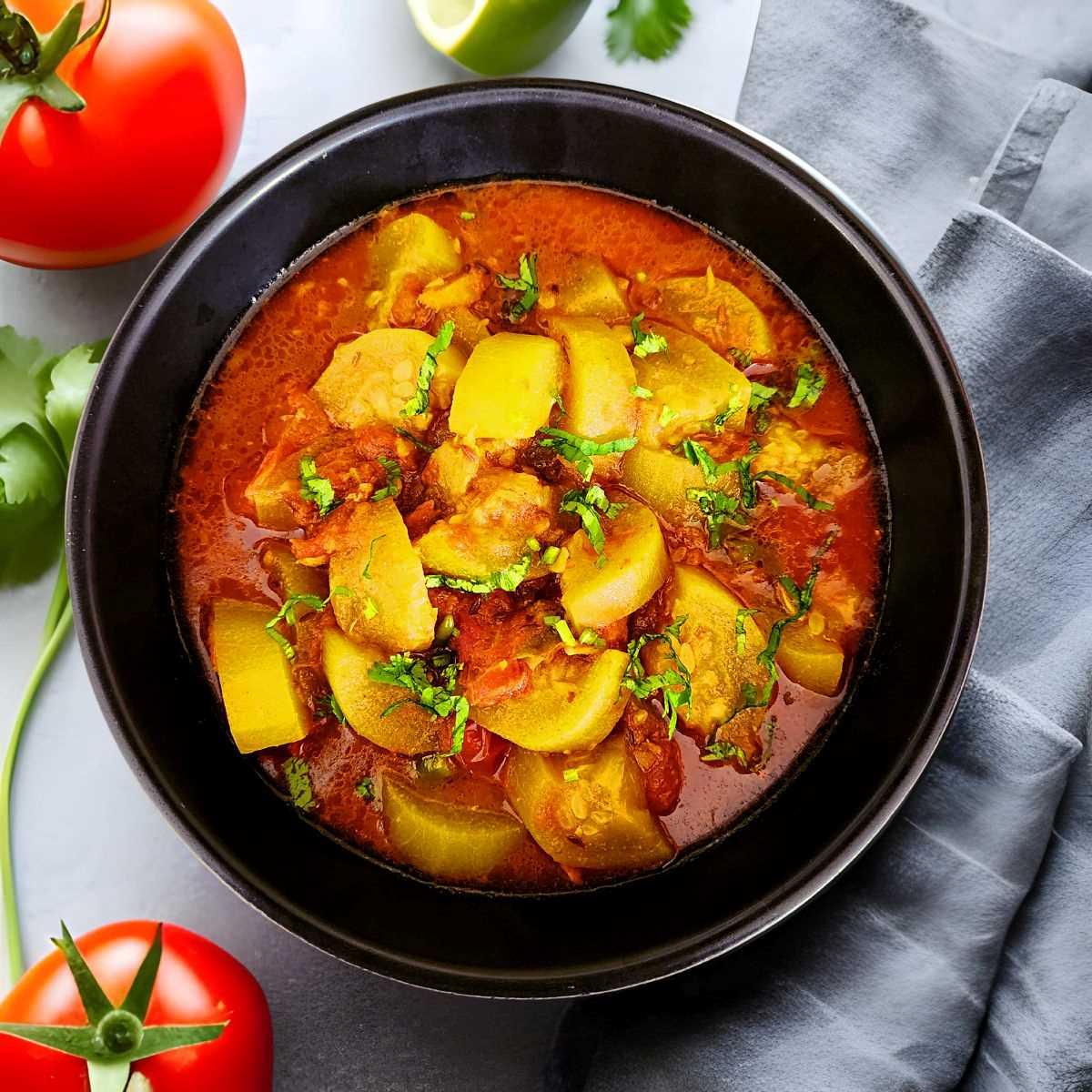
Dal & Legumes
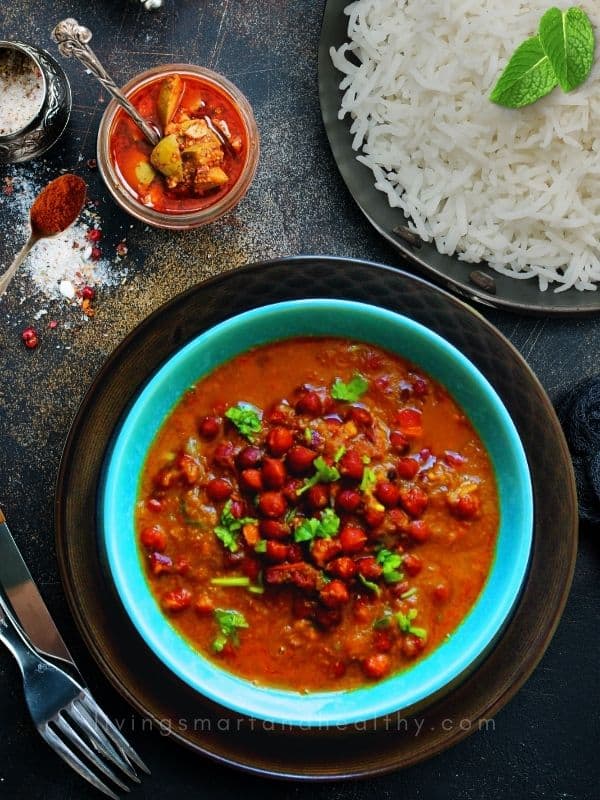
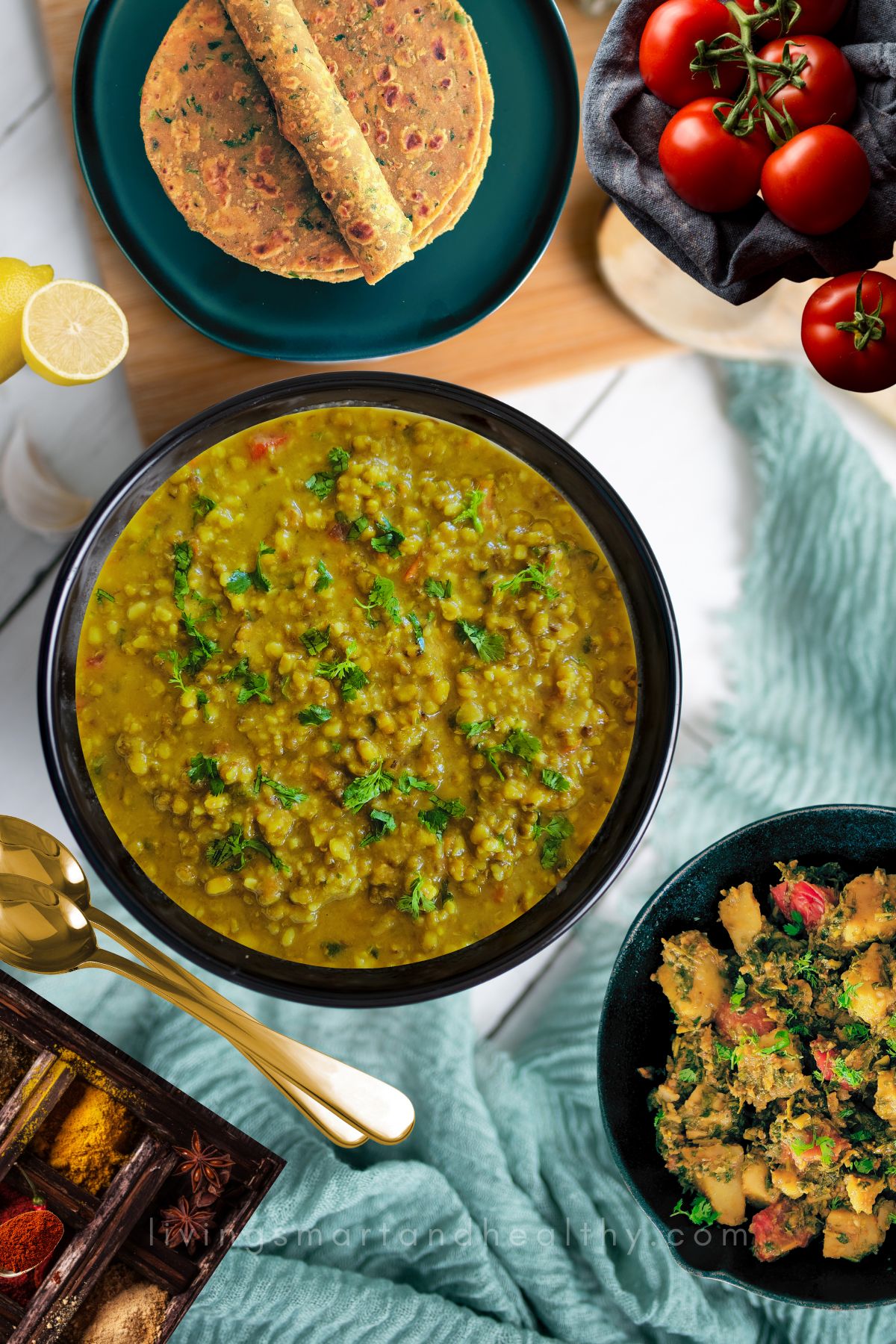
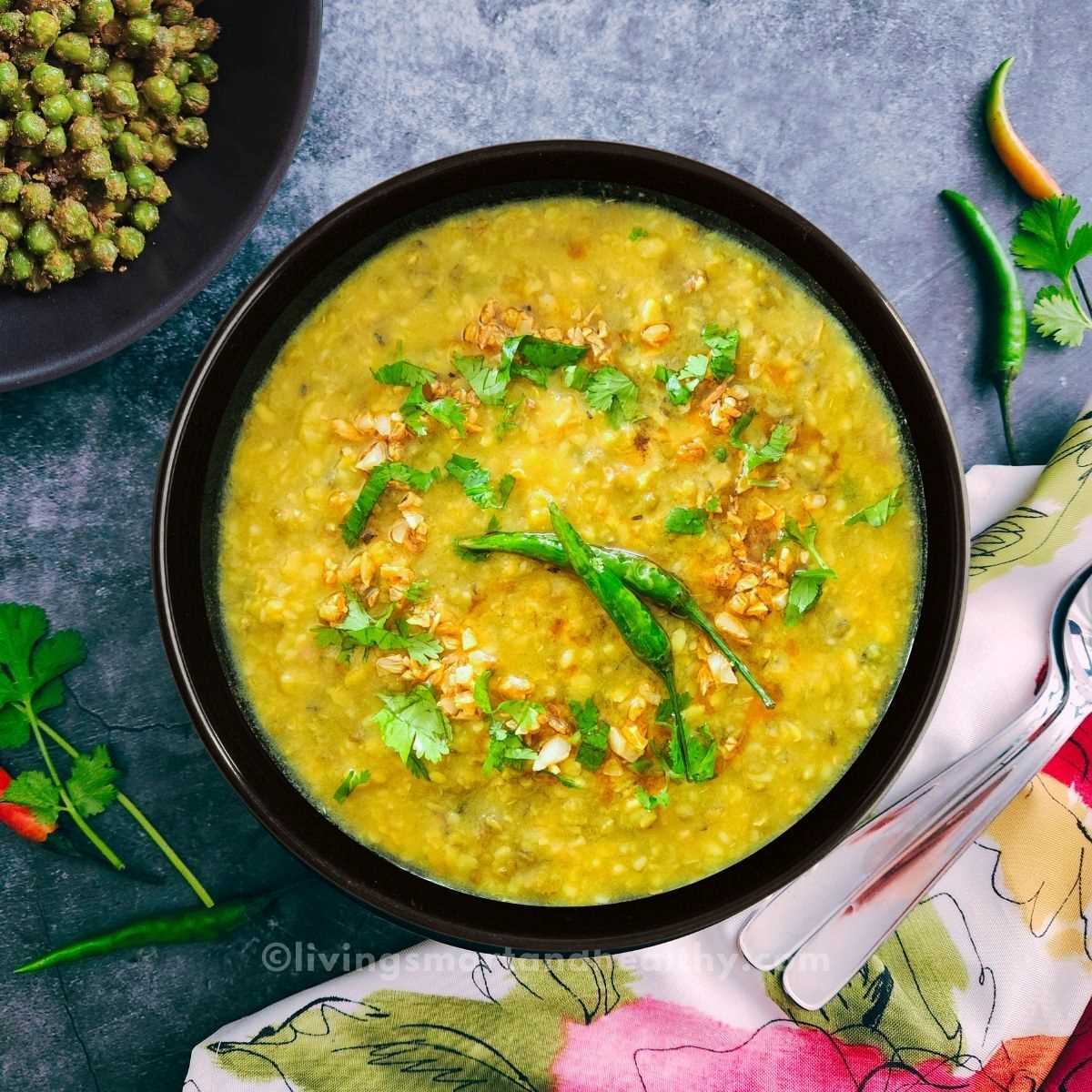
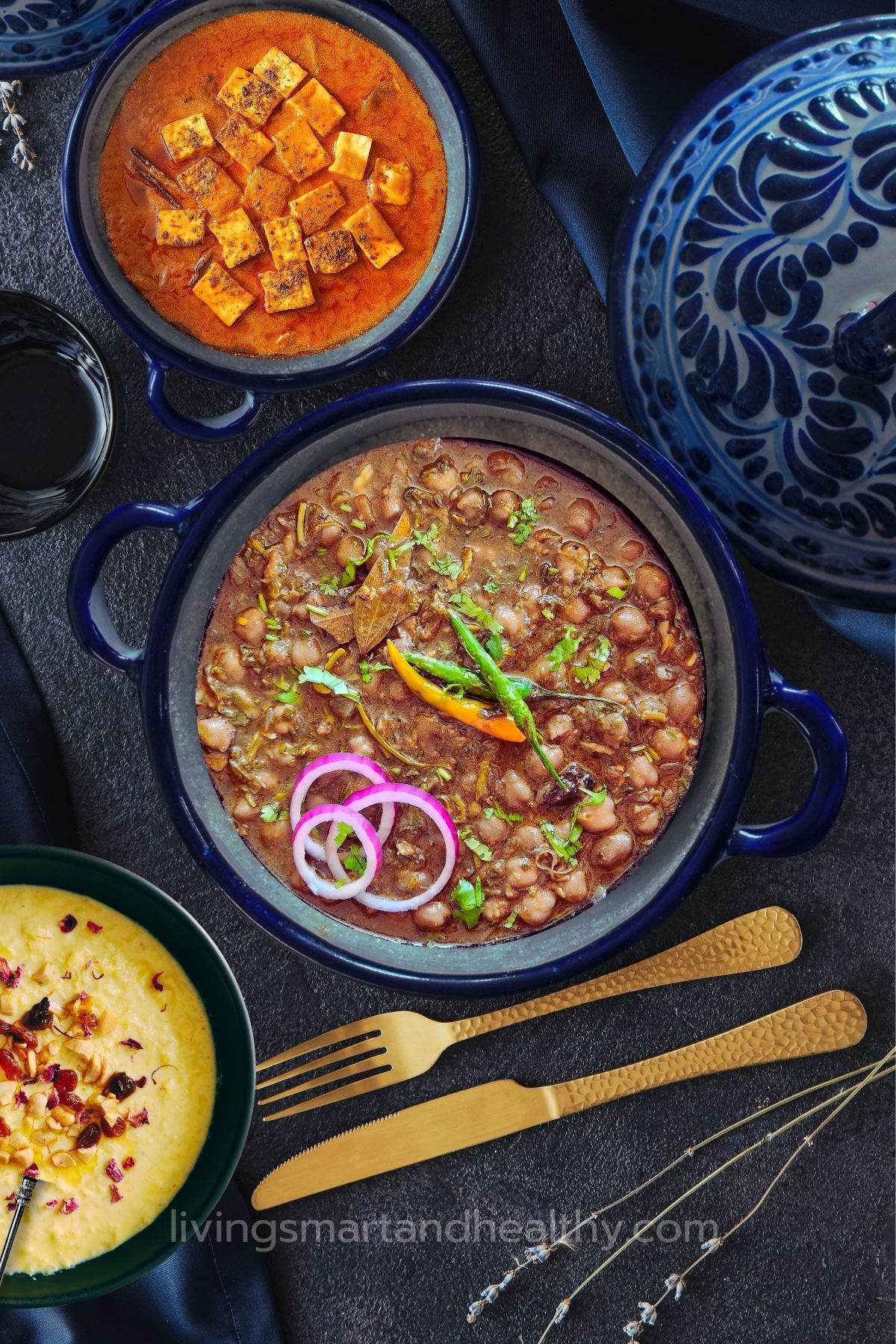
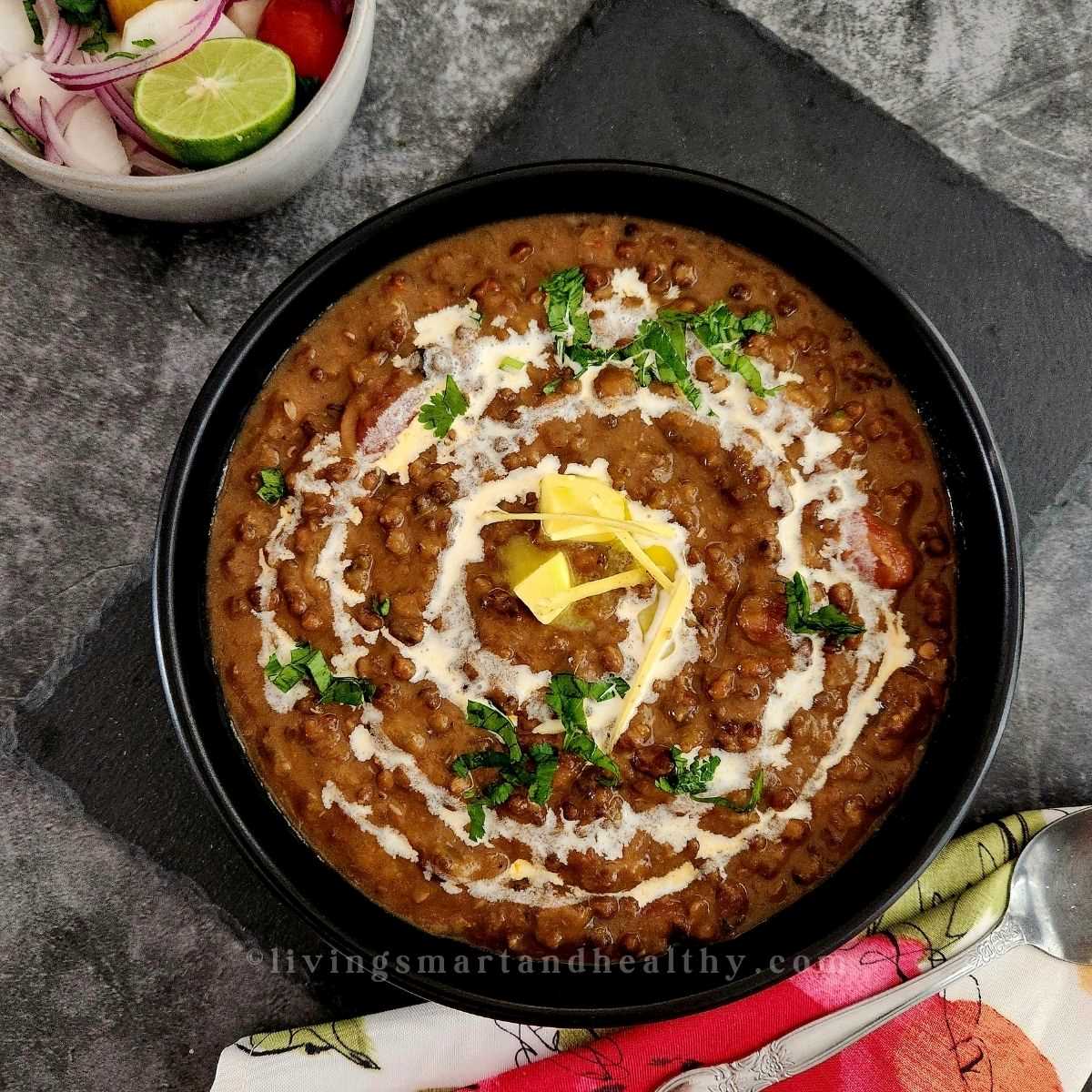
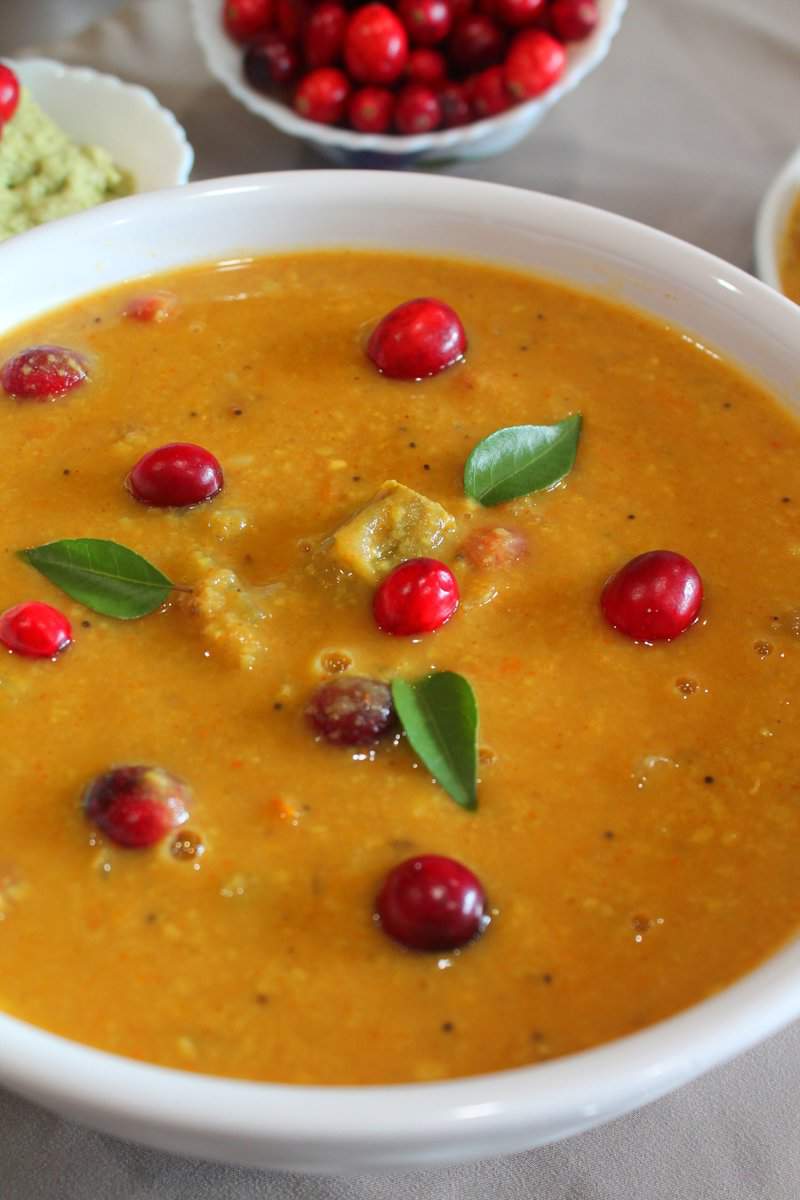
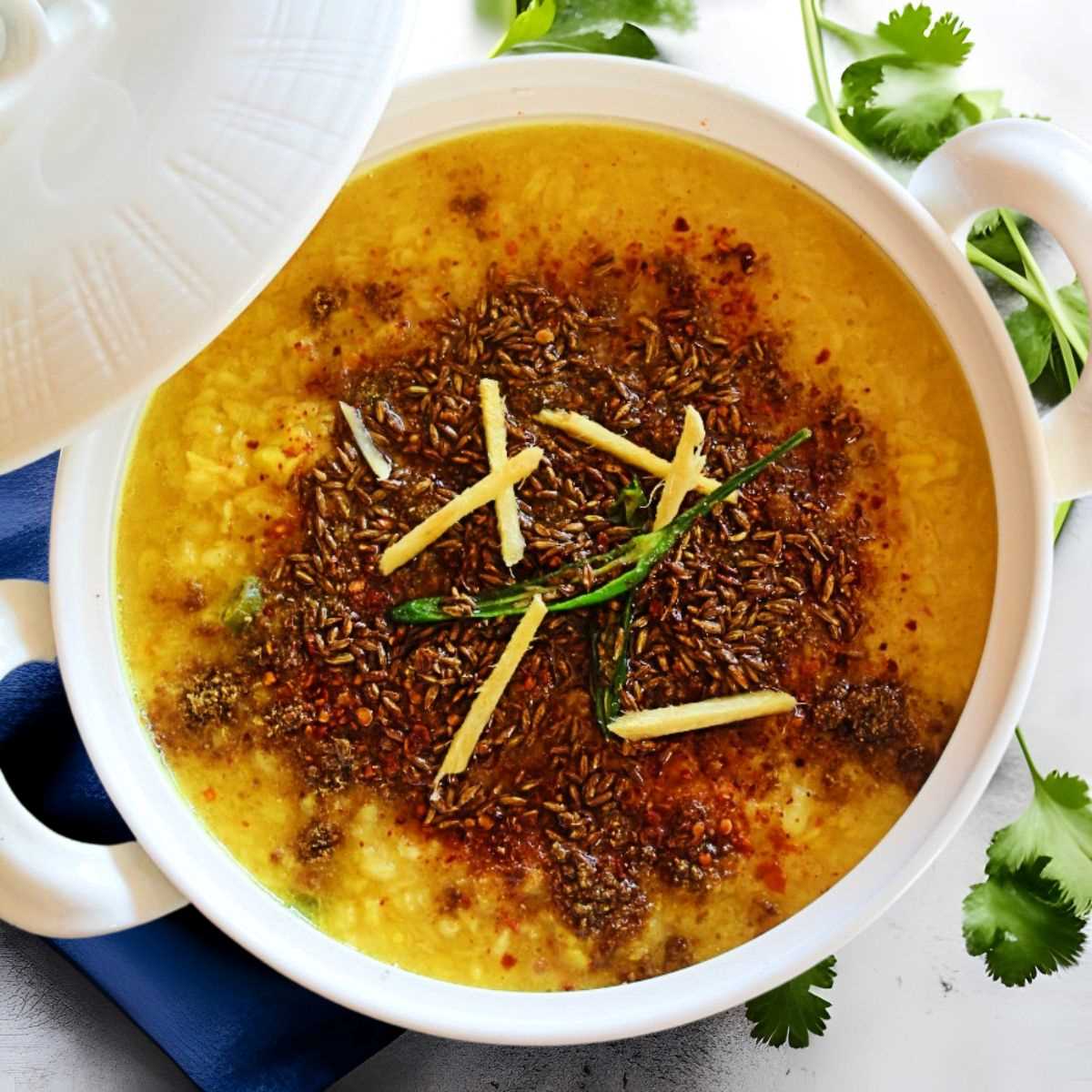
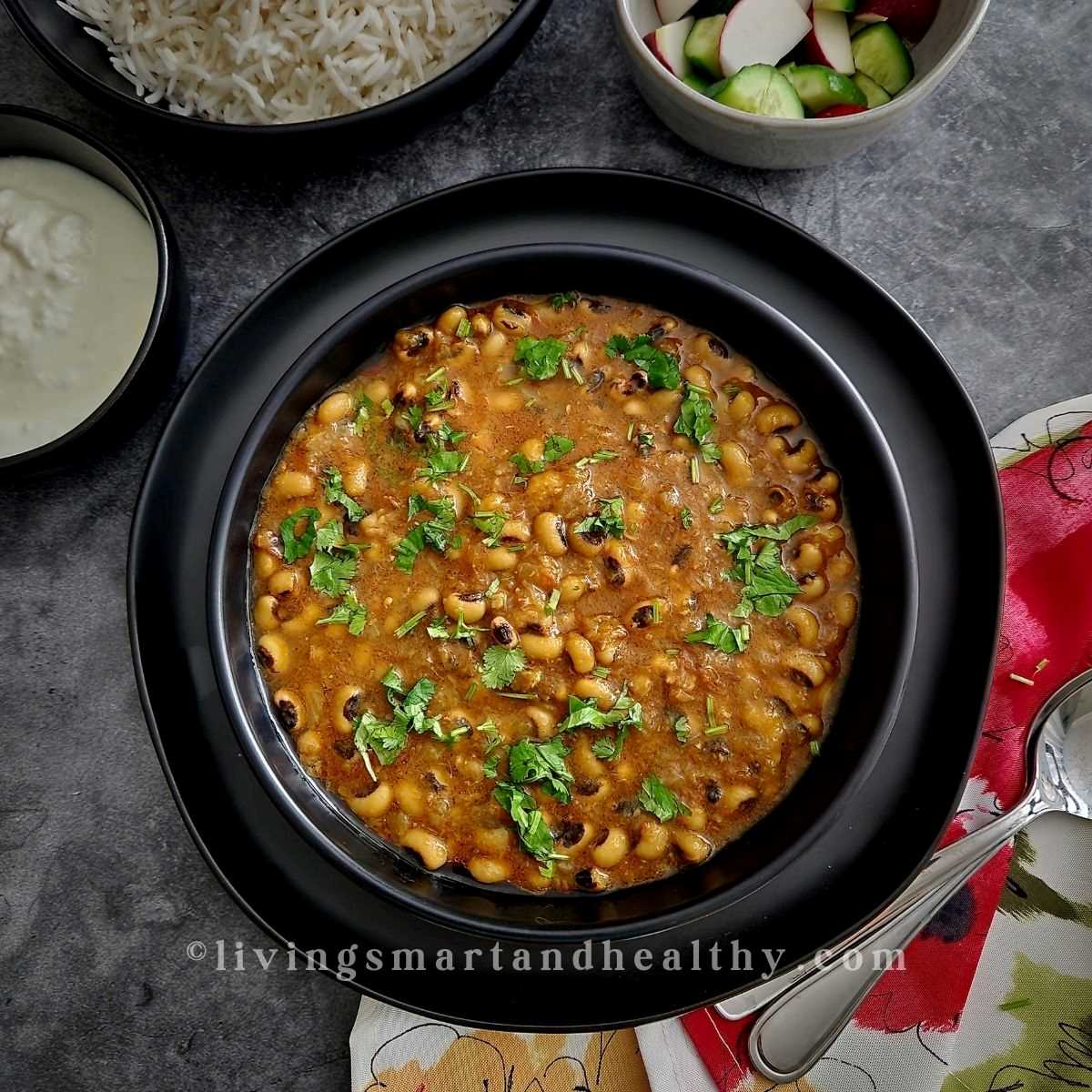
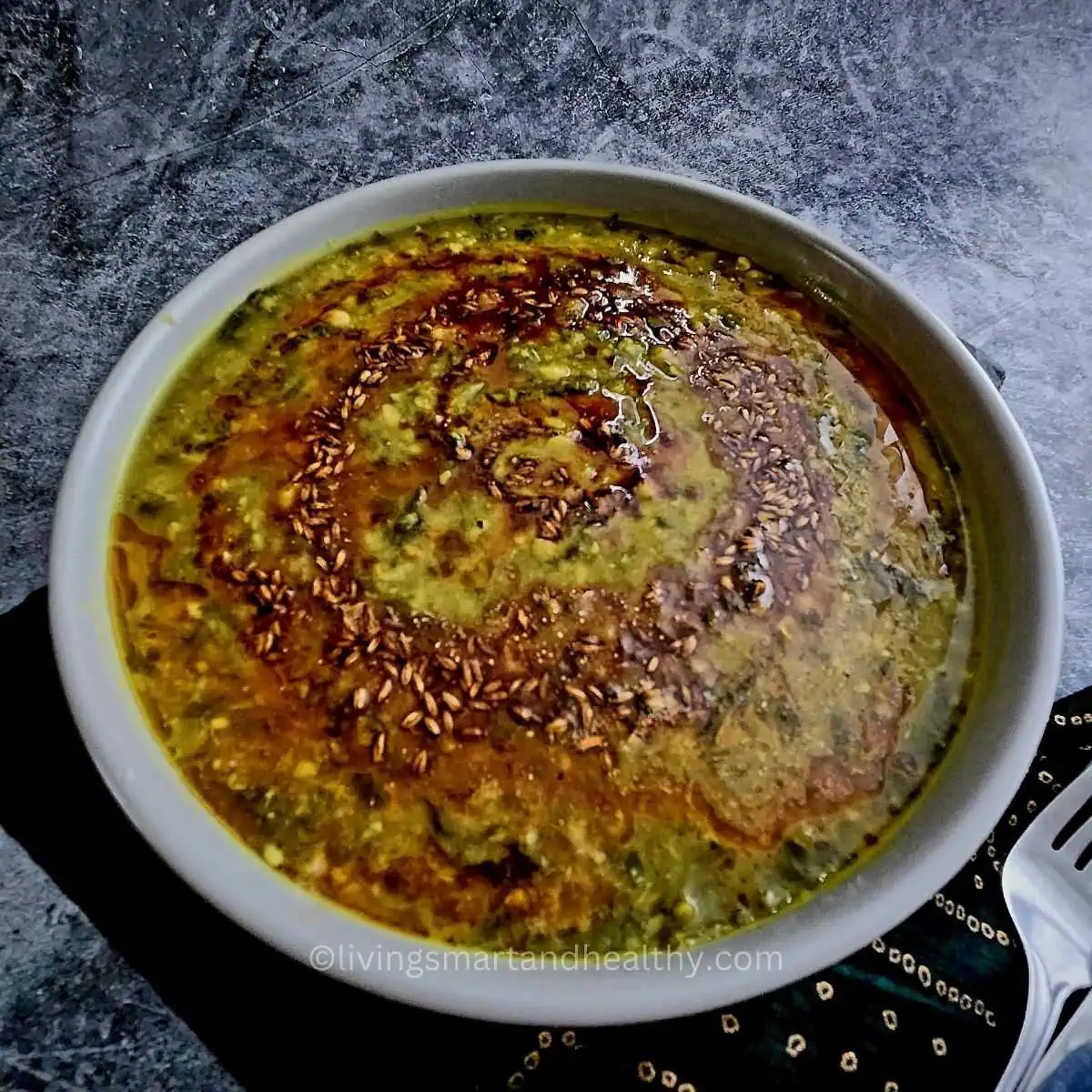
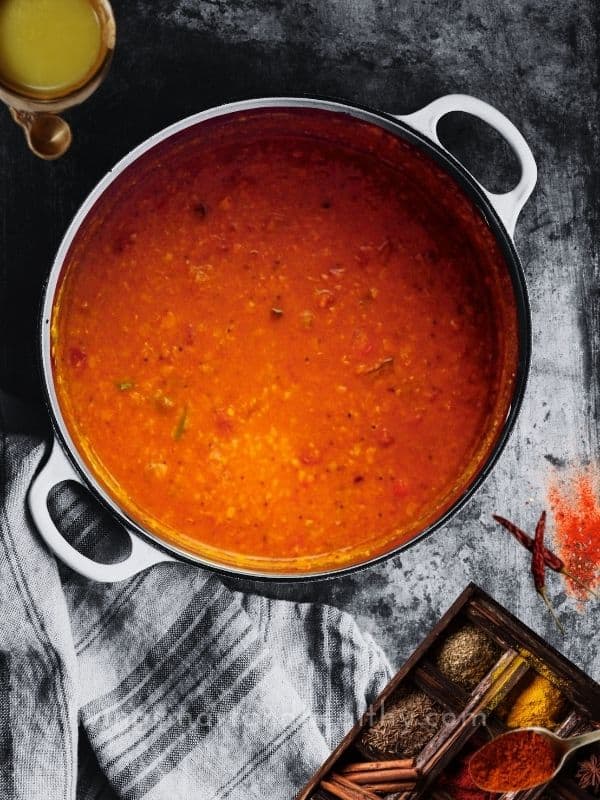
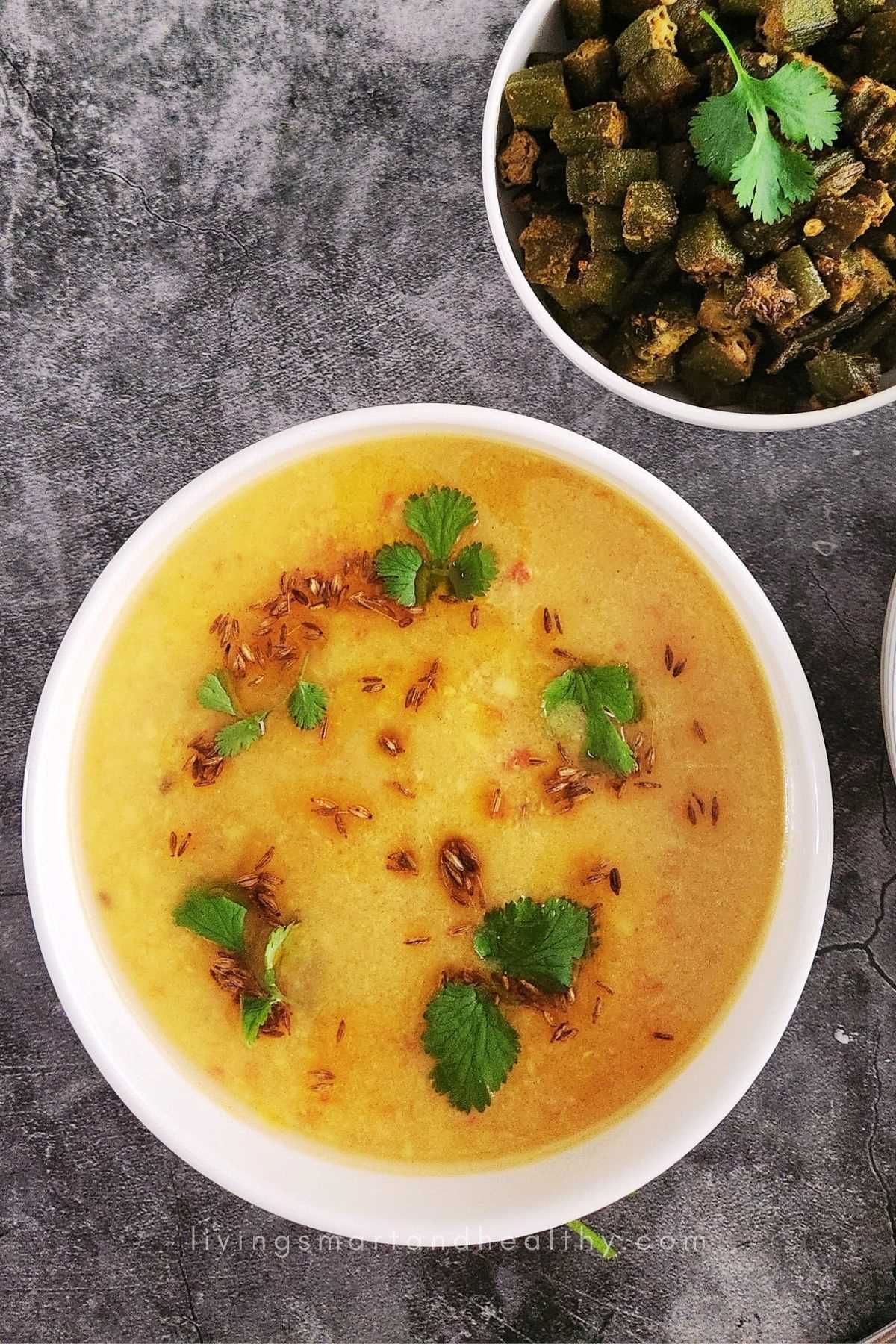
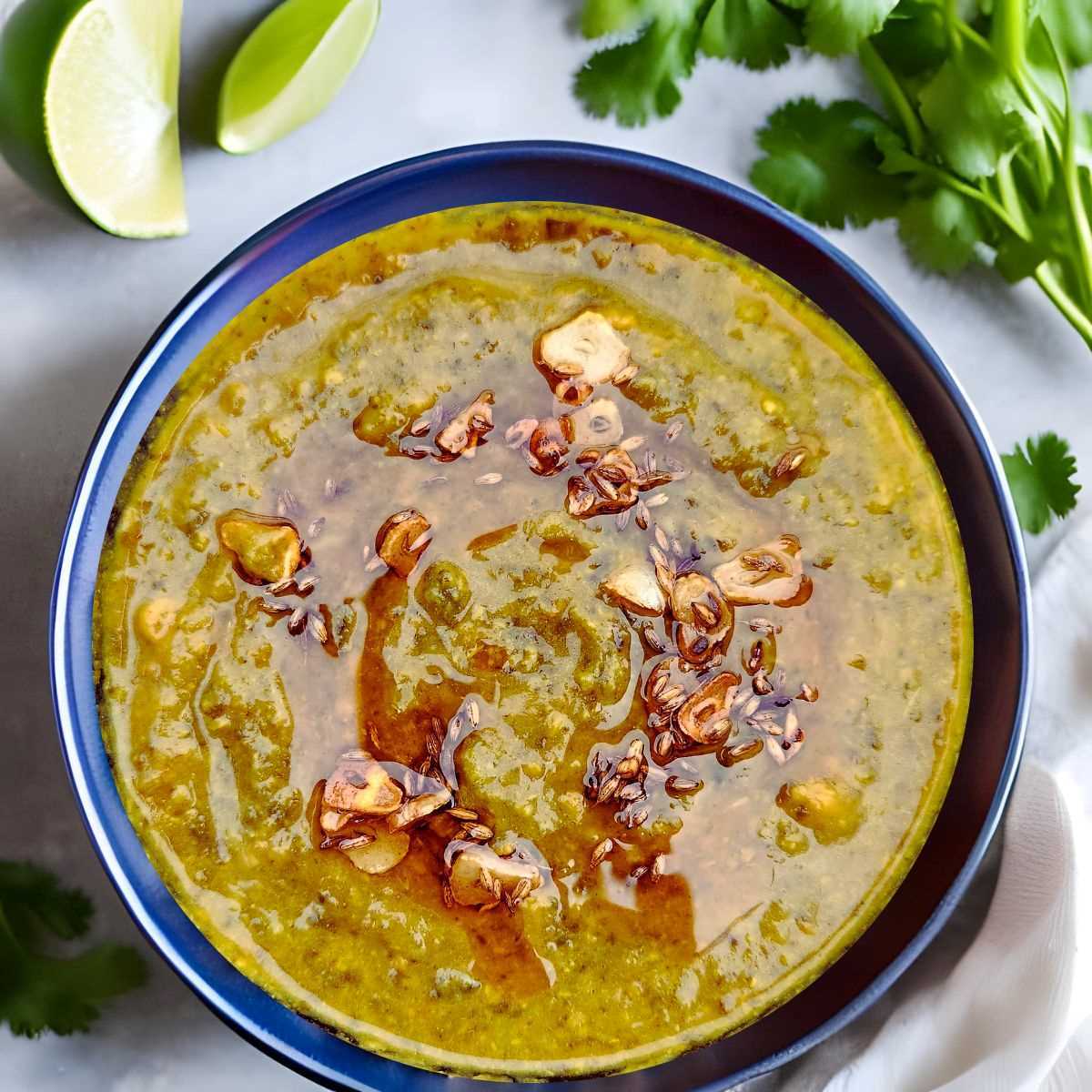
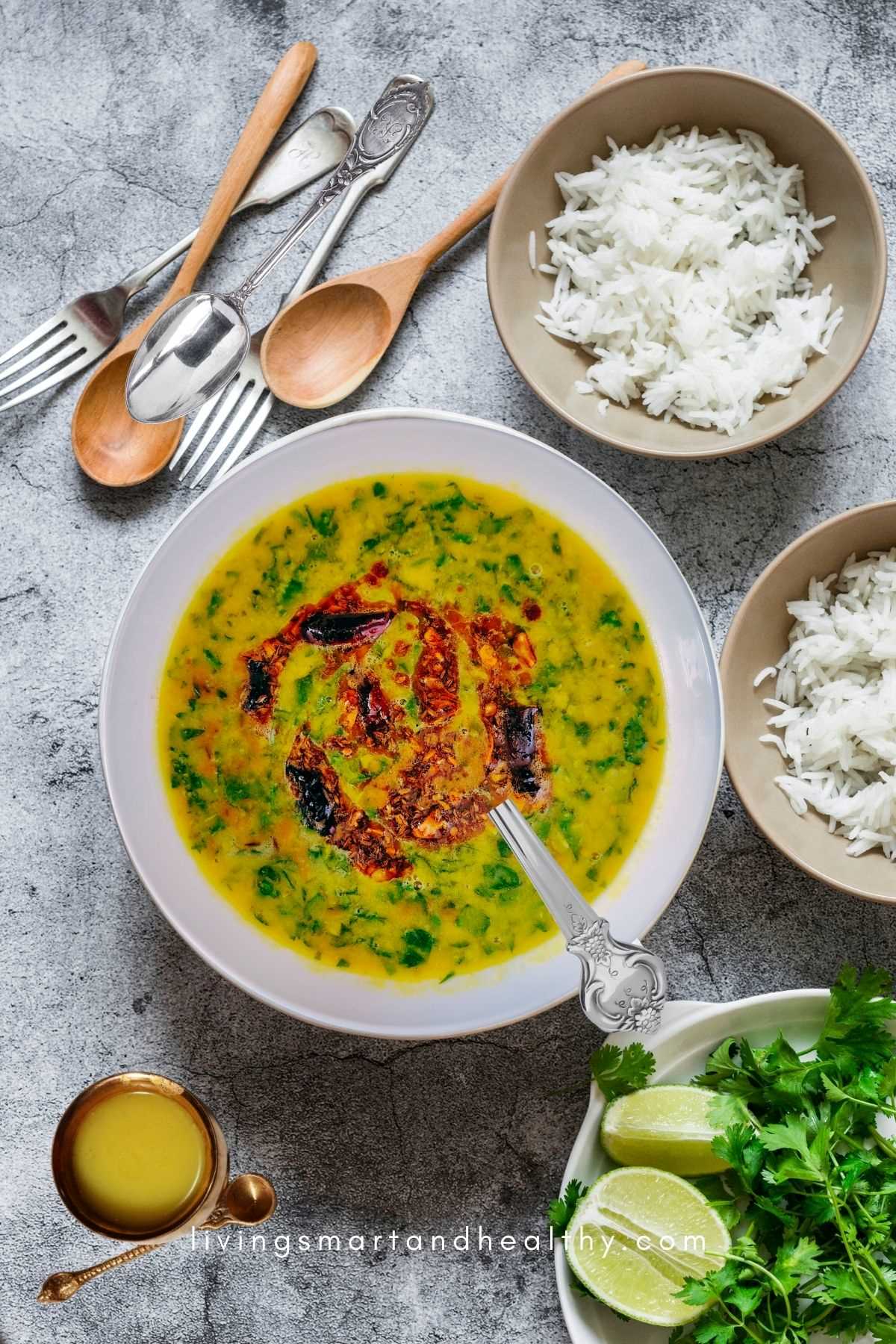
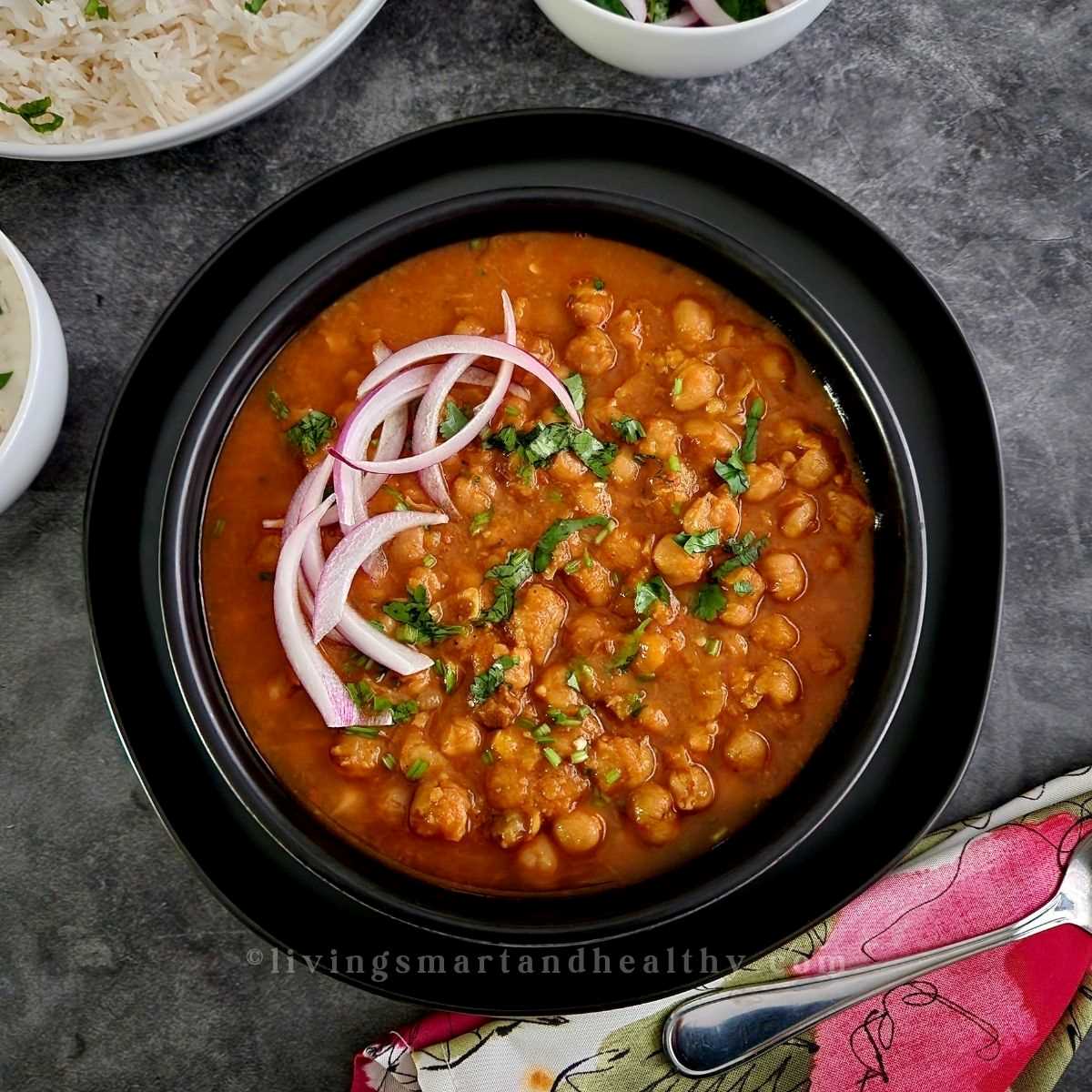
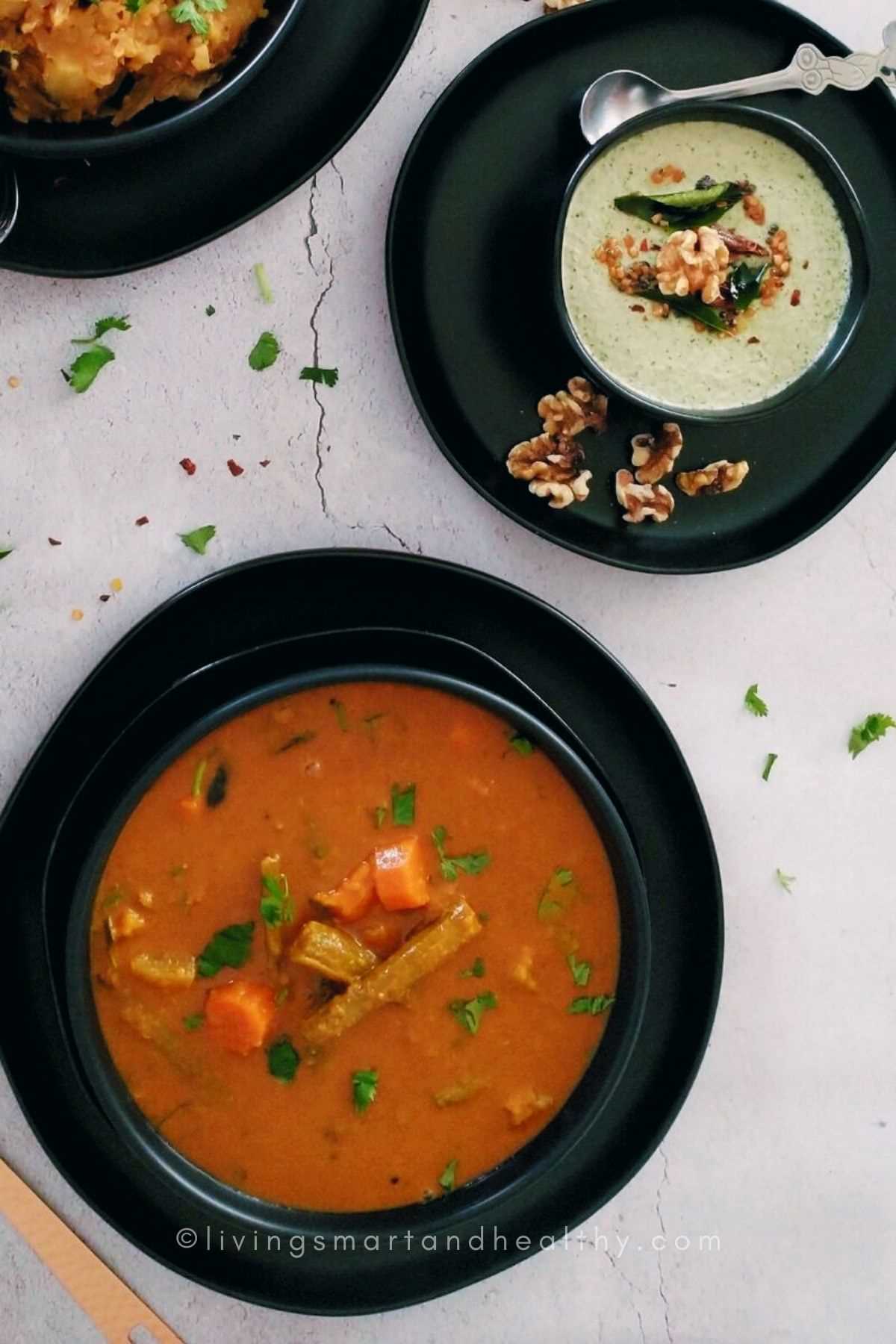
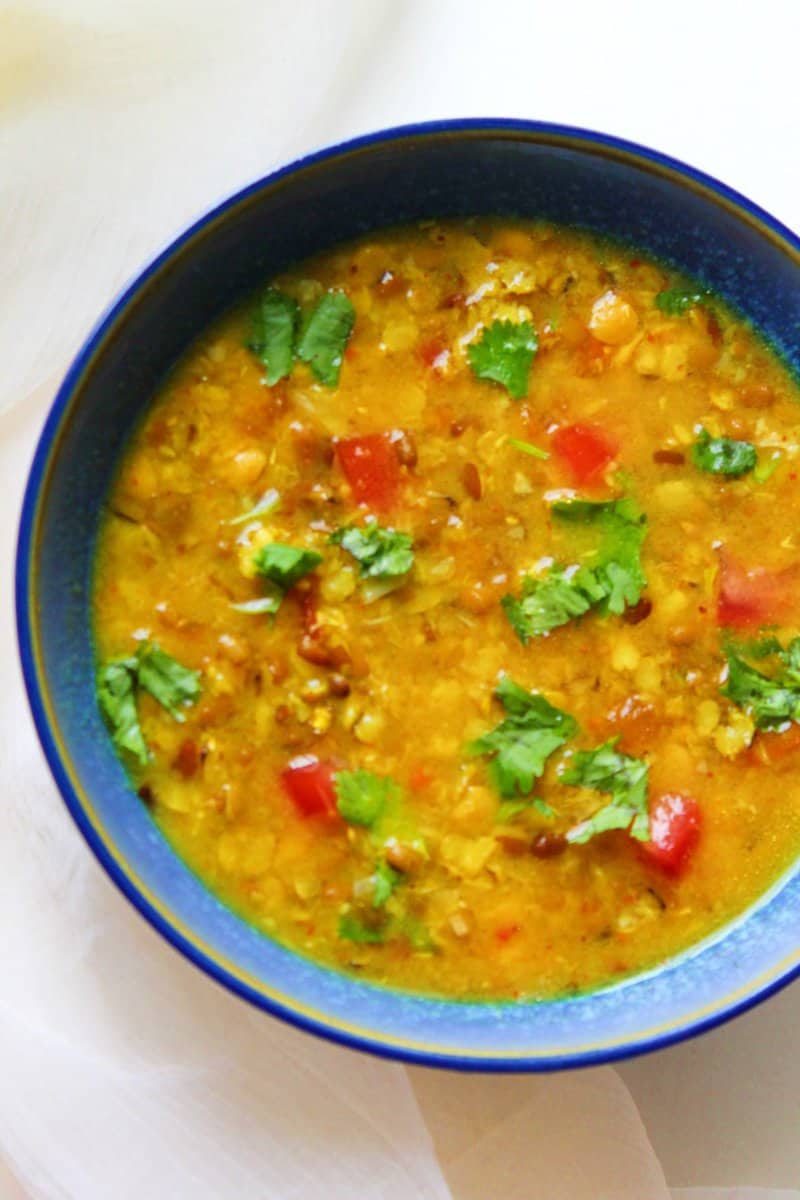
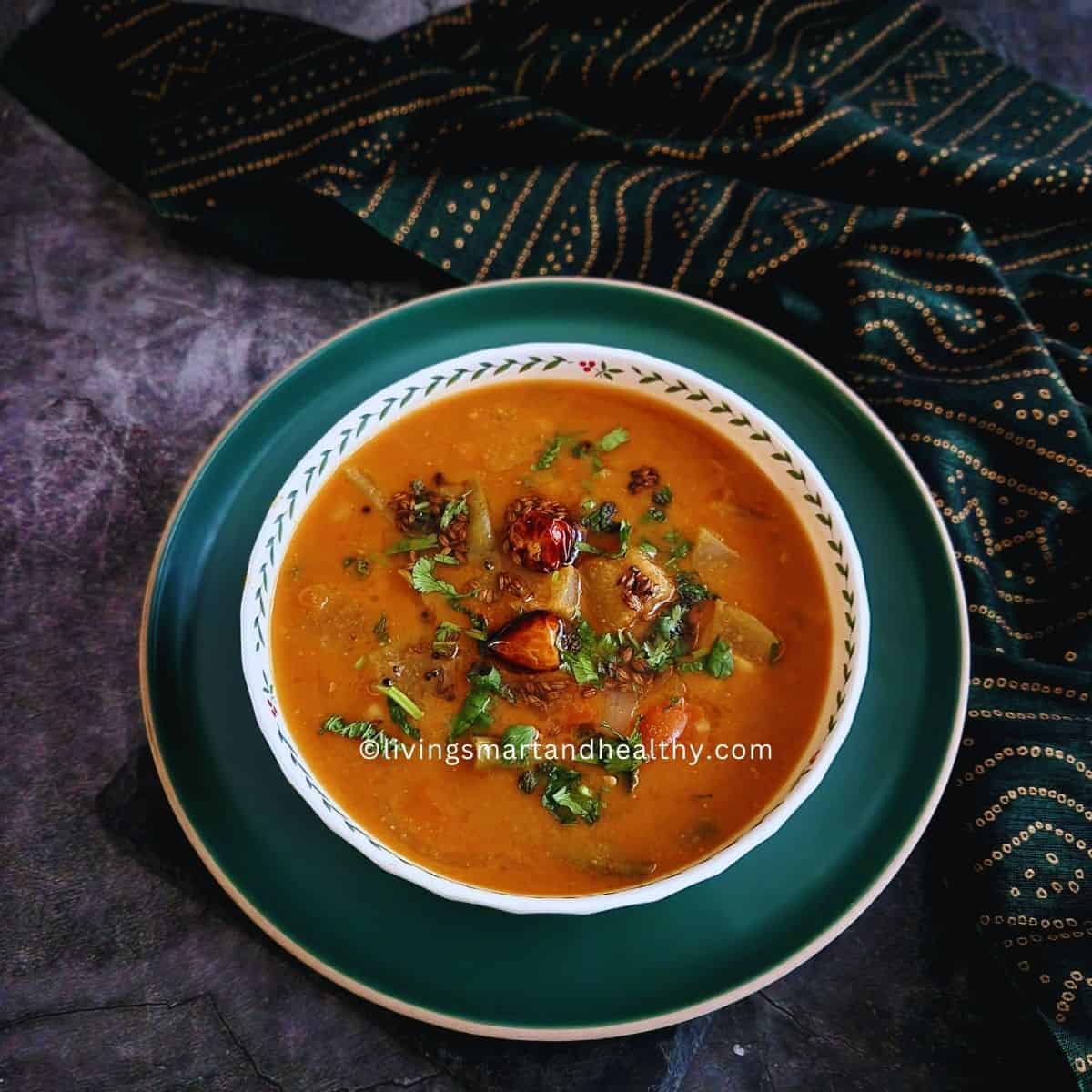
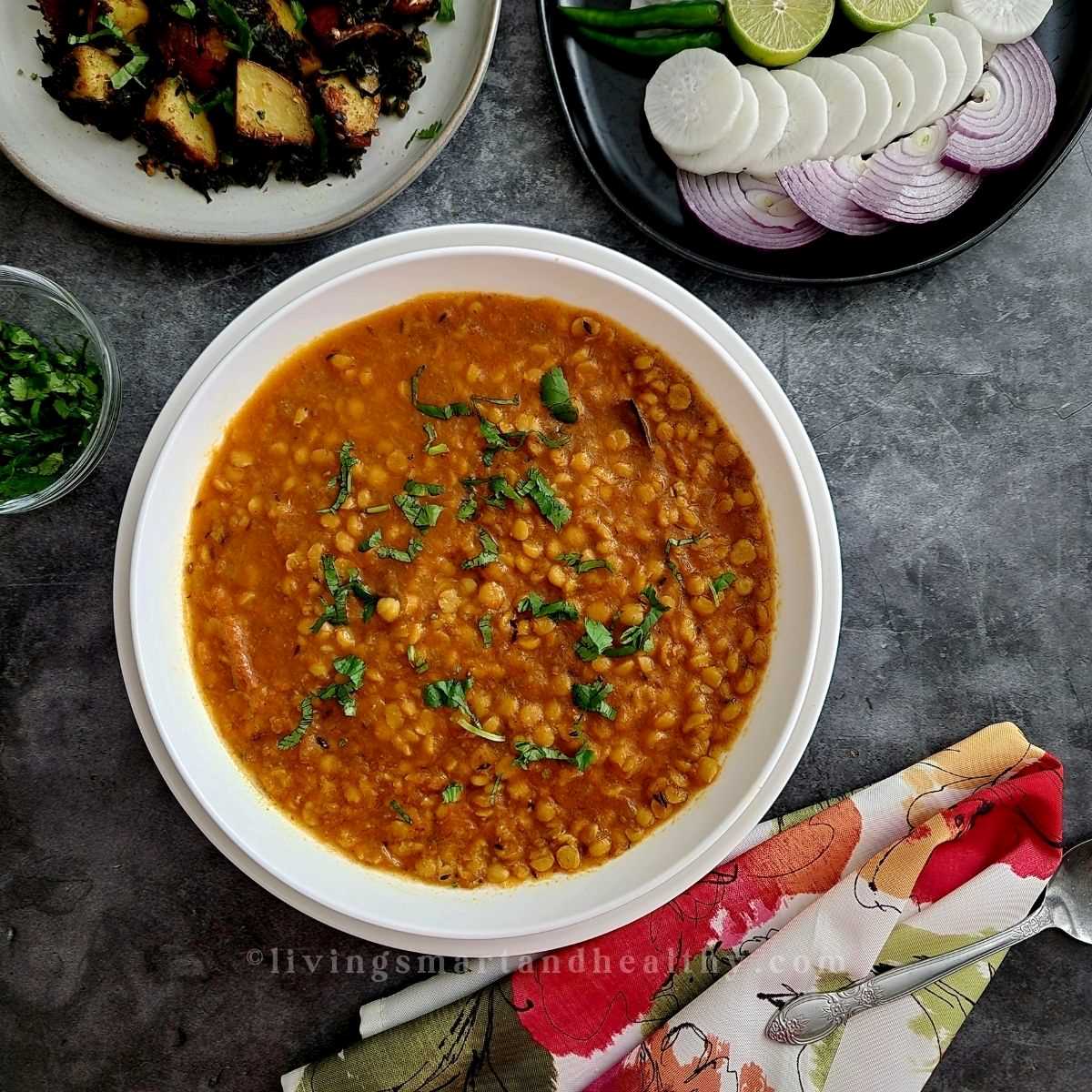
Dal, the everyday Indian lentil dish is one of the best foods for diabetics: high in protein, fiber, and slow-digesting complex carbs. Moong dal, toor dal, and black chana are especially good choices.
Soups & Salads
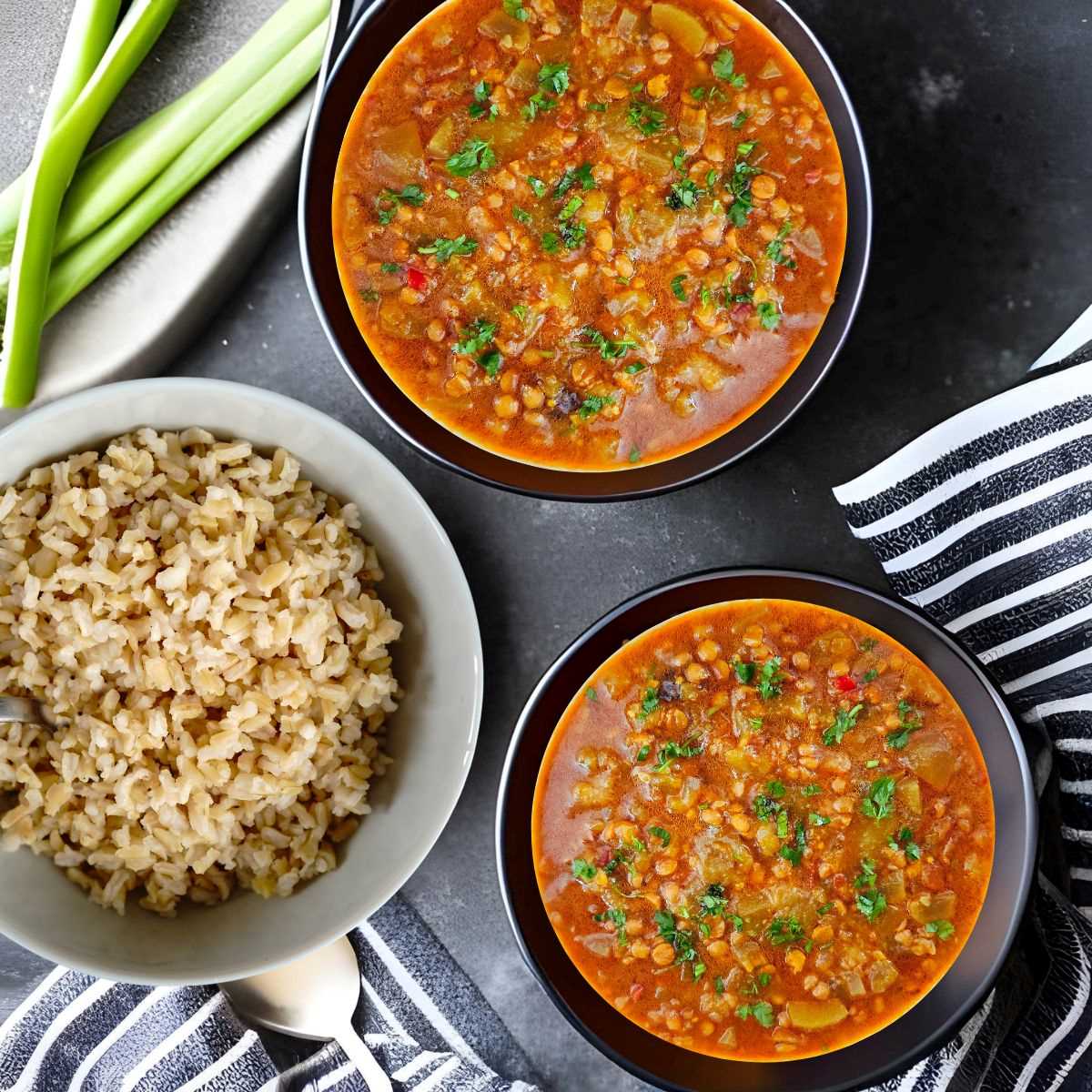
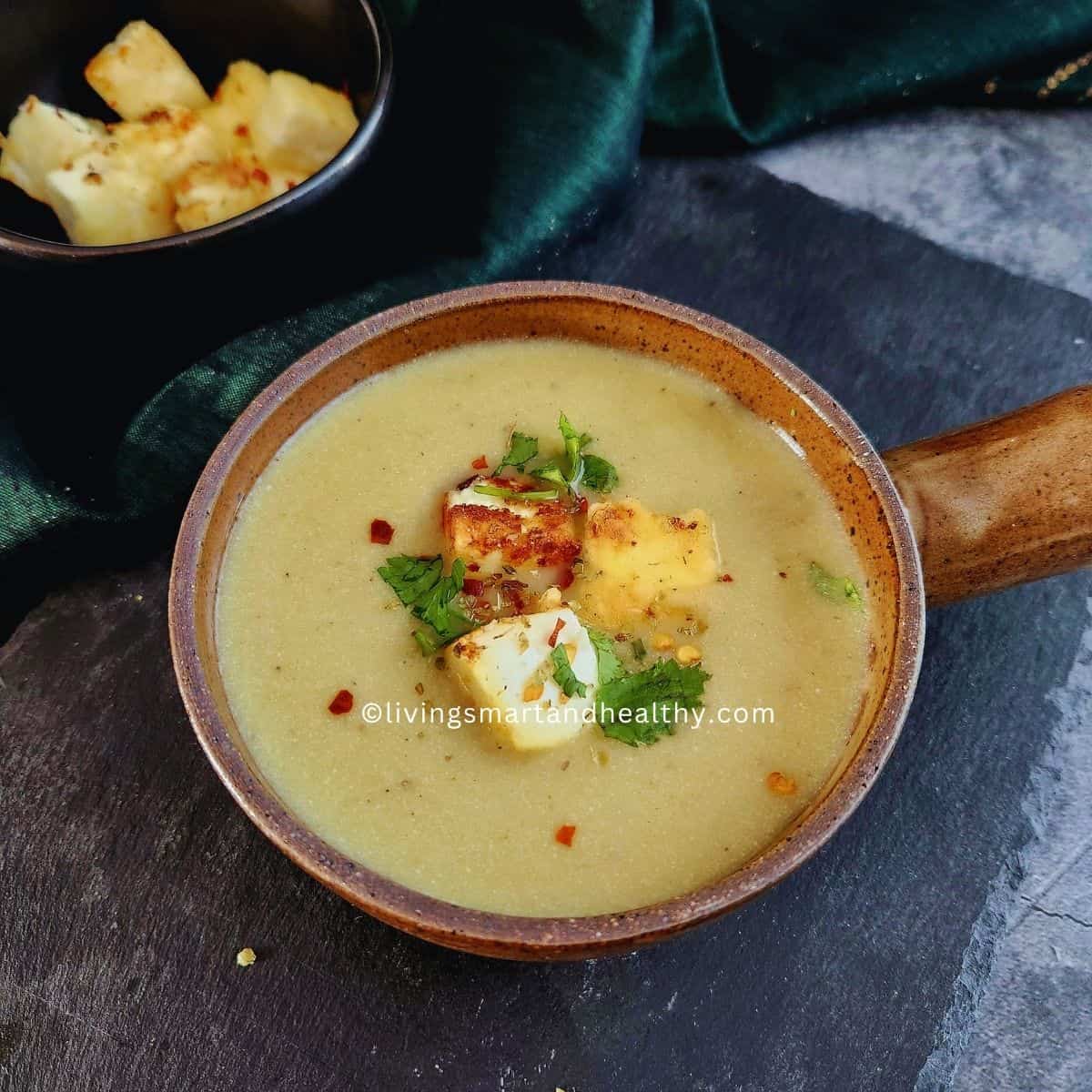
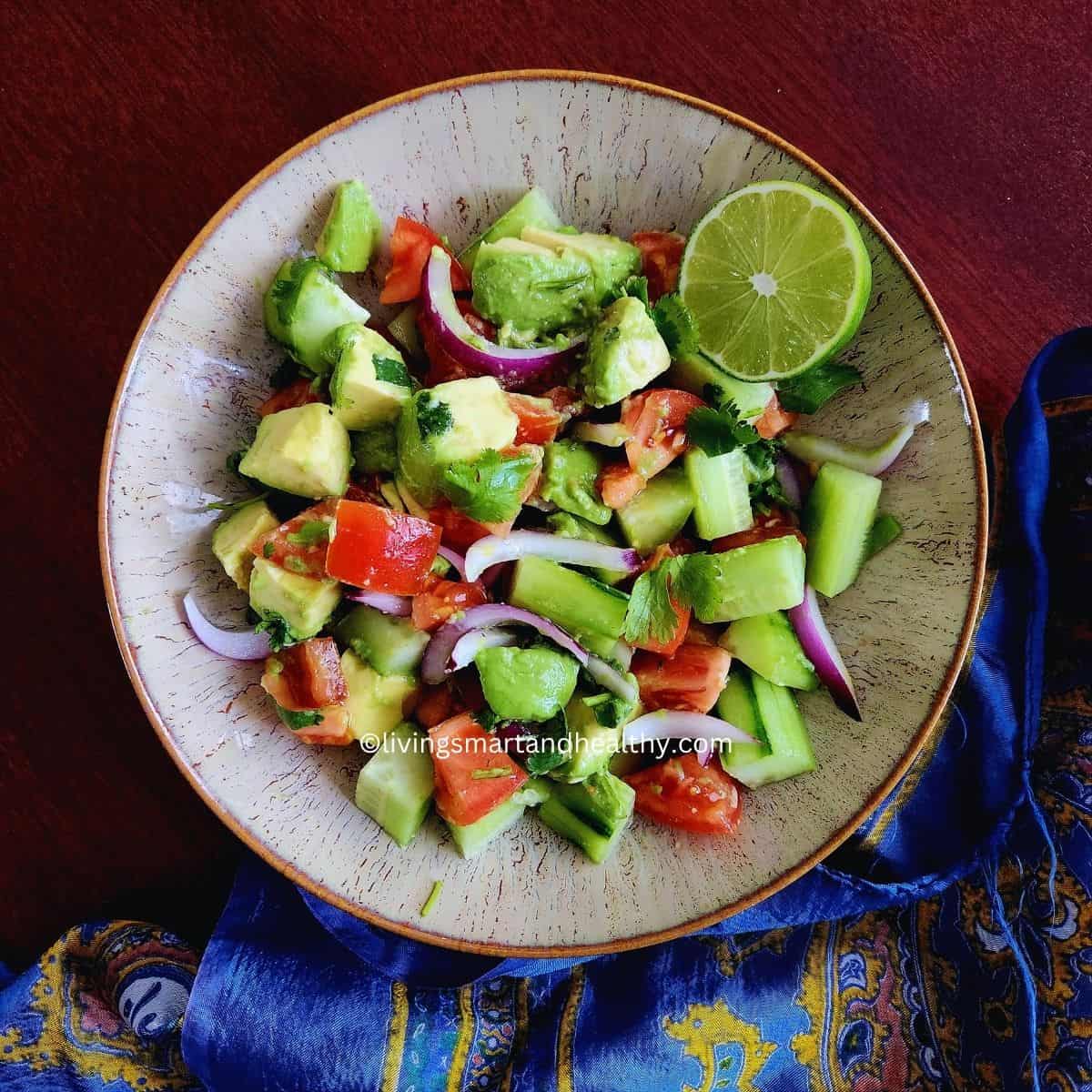
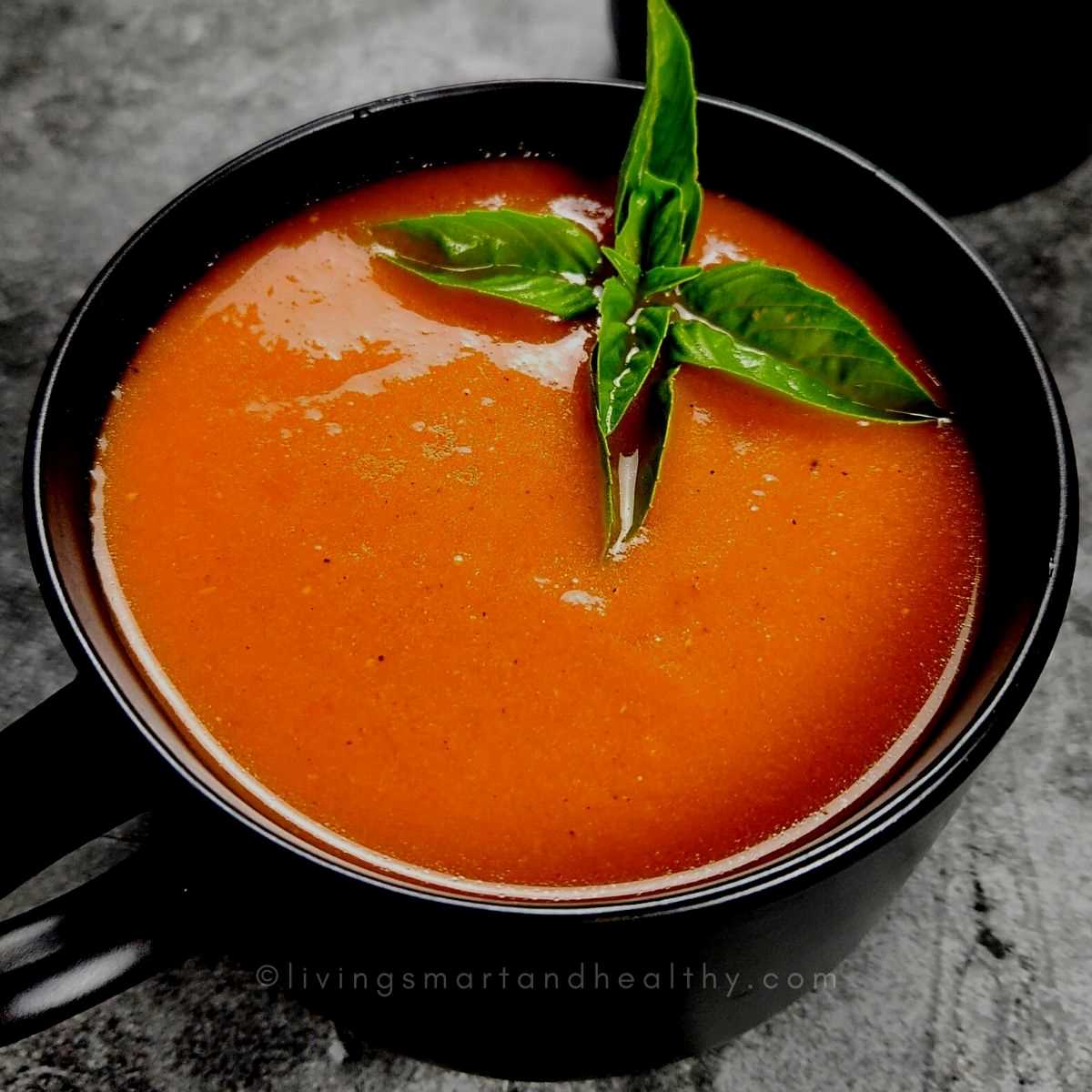
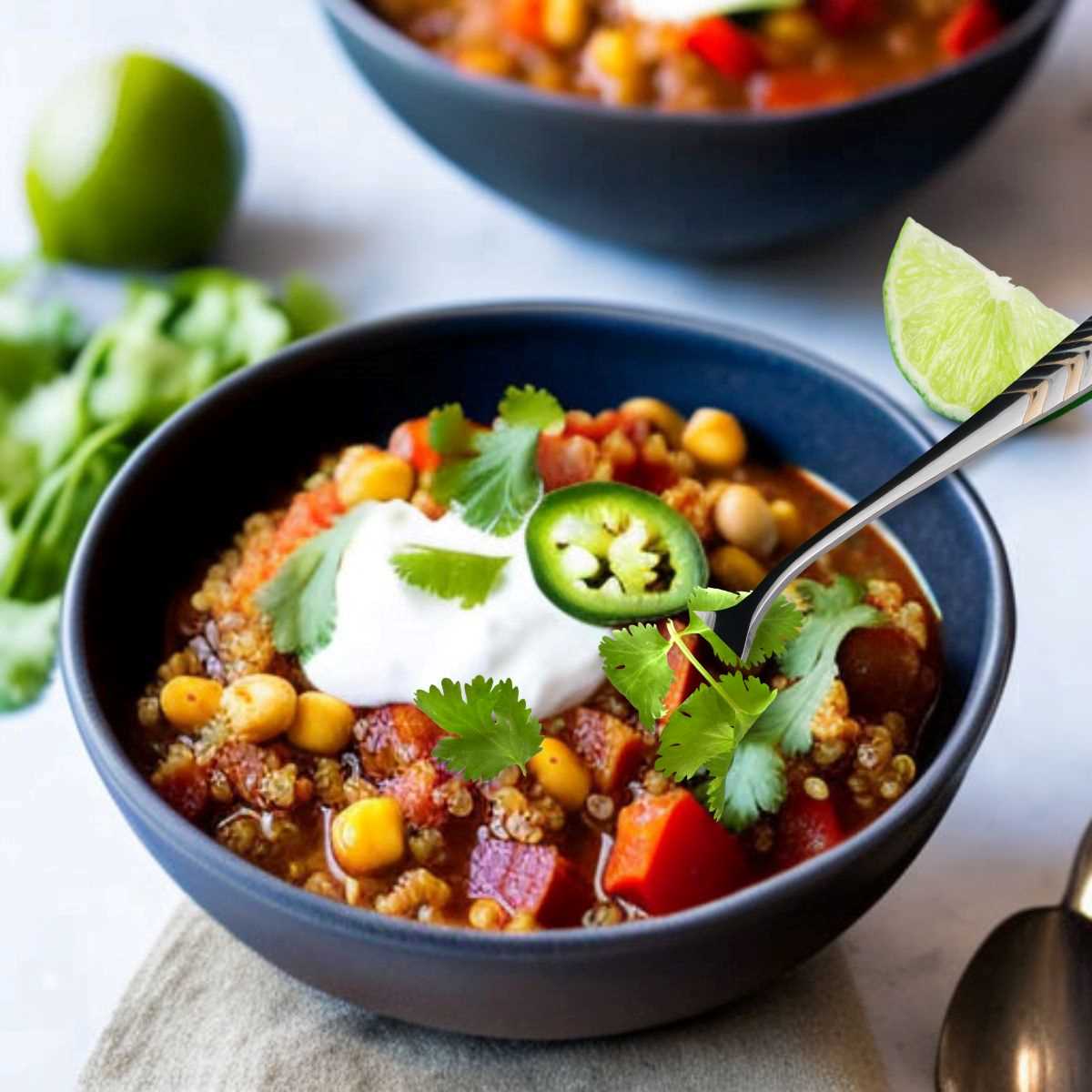
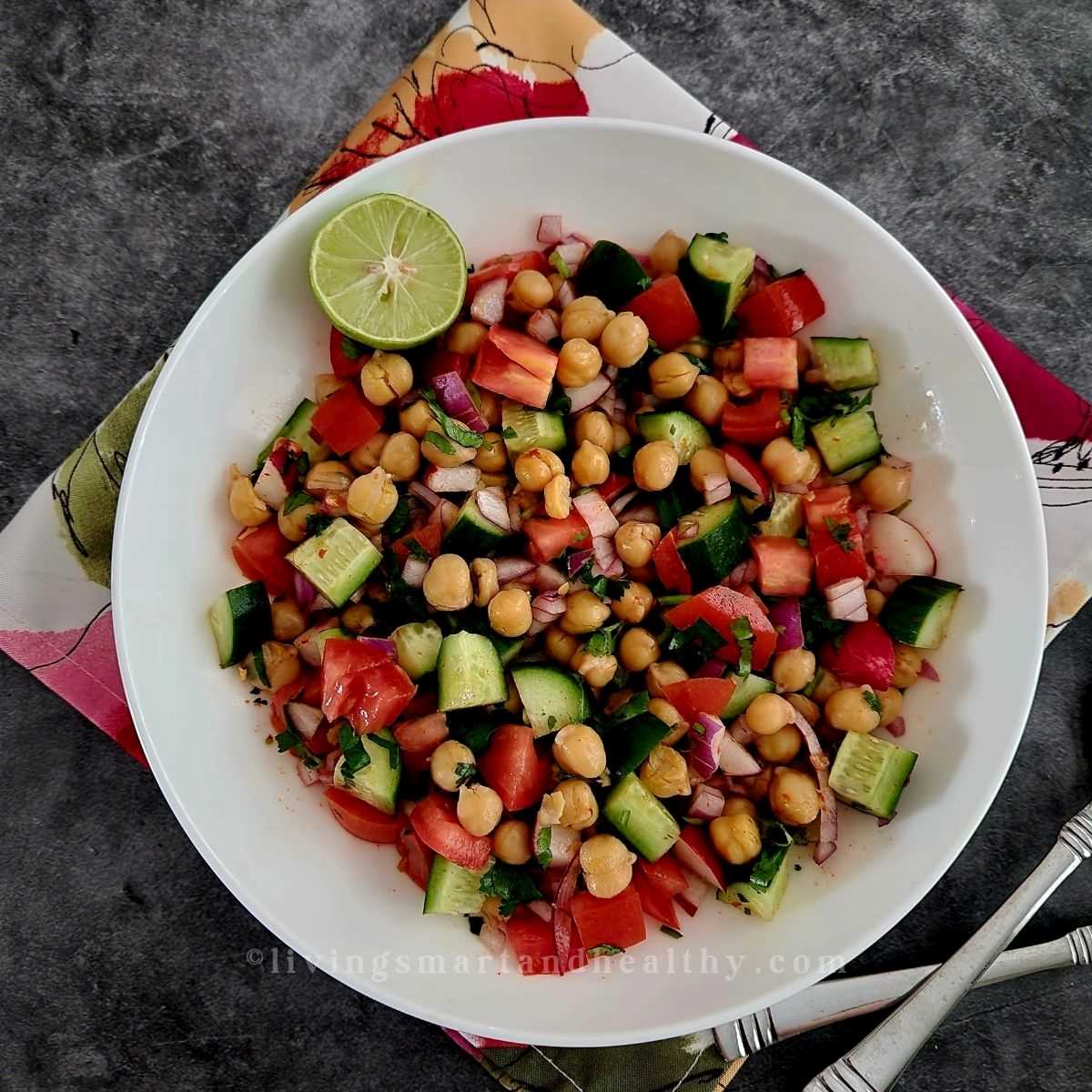
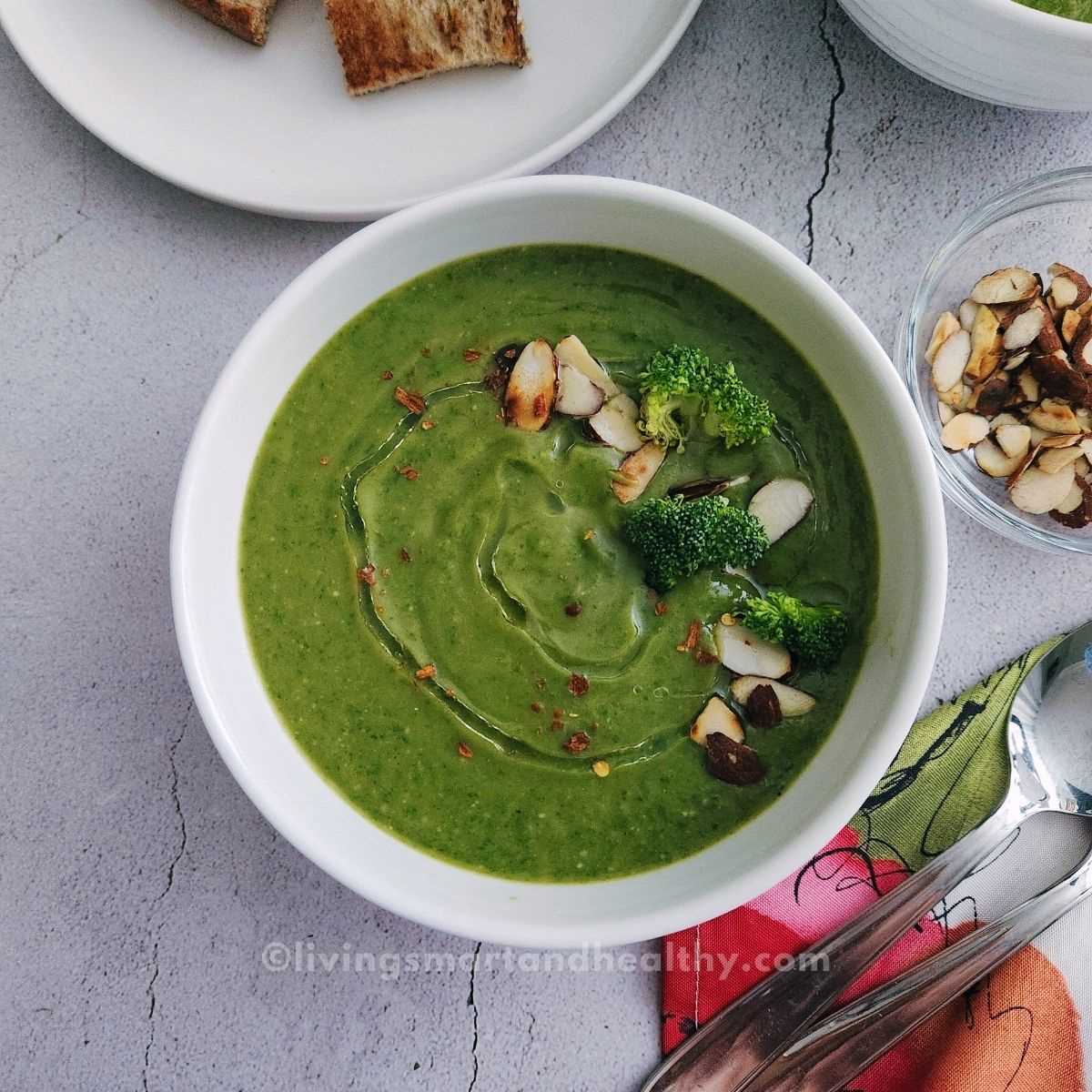
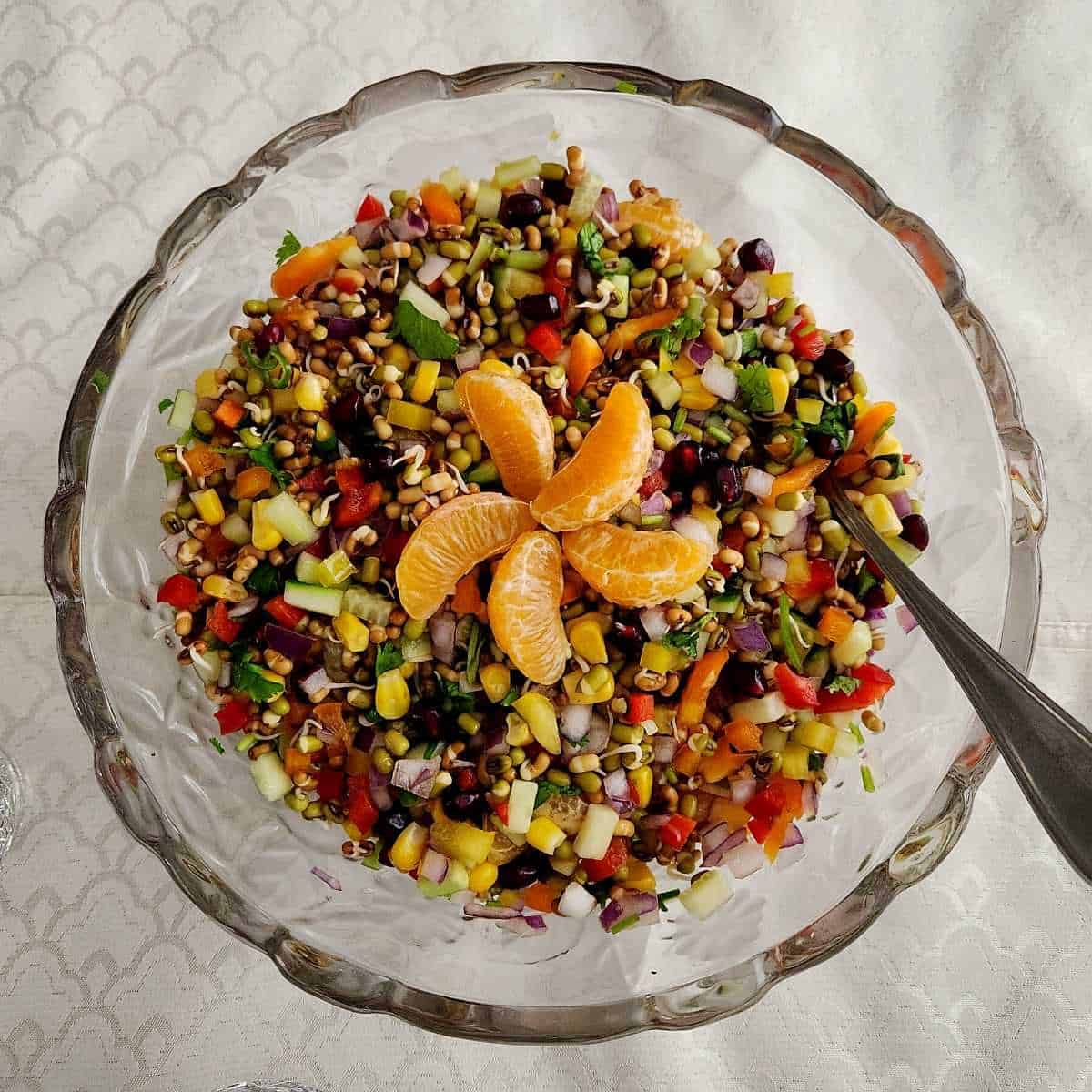
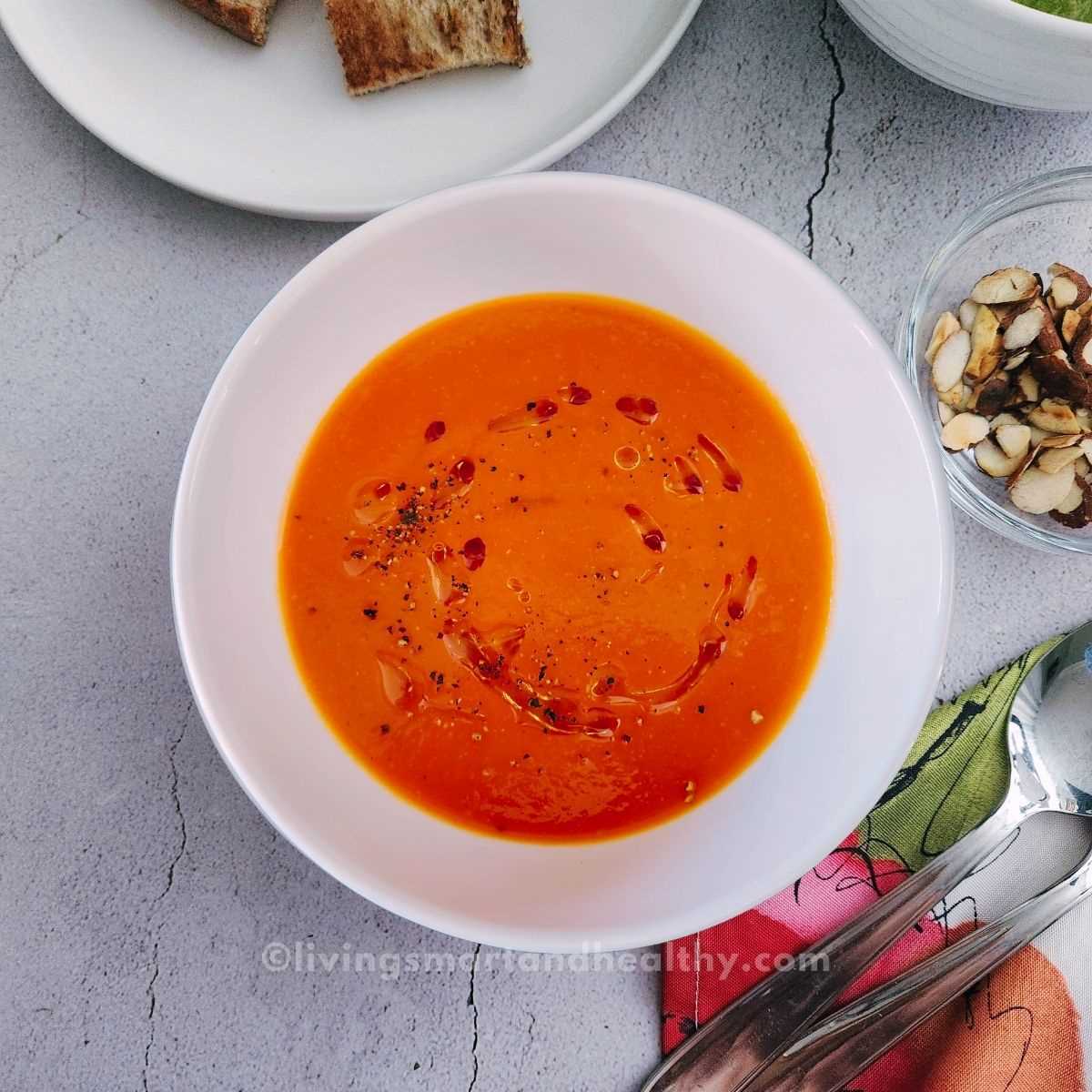
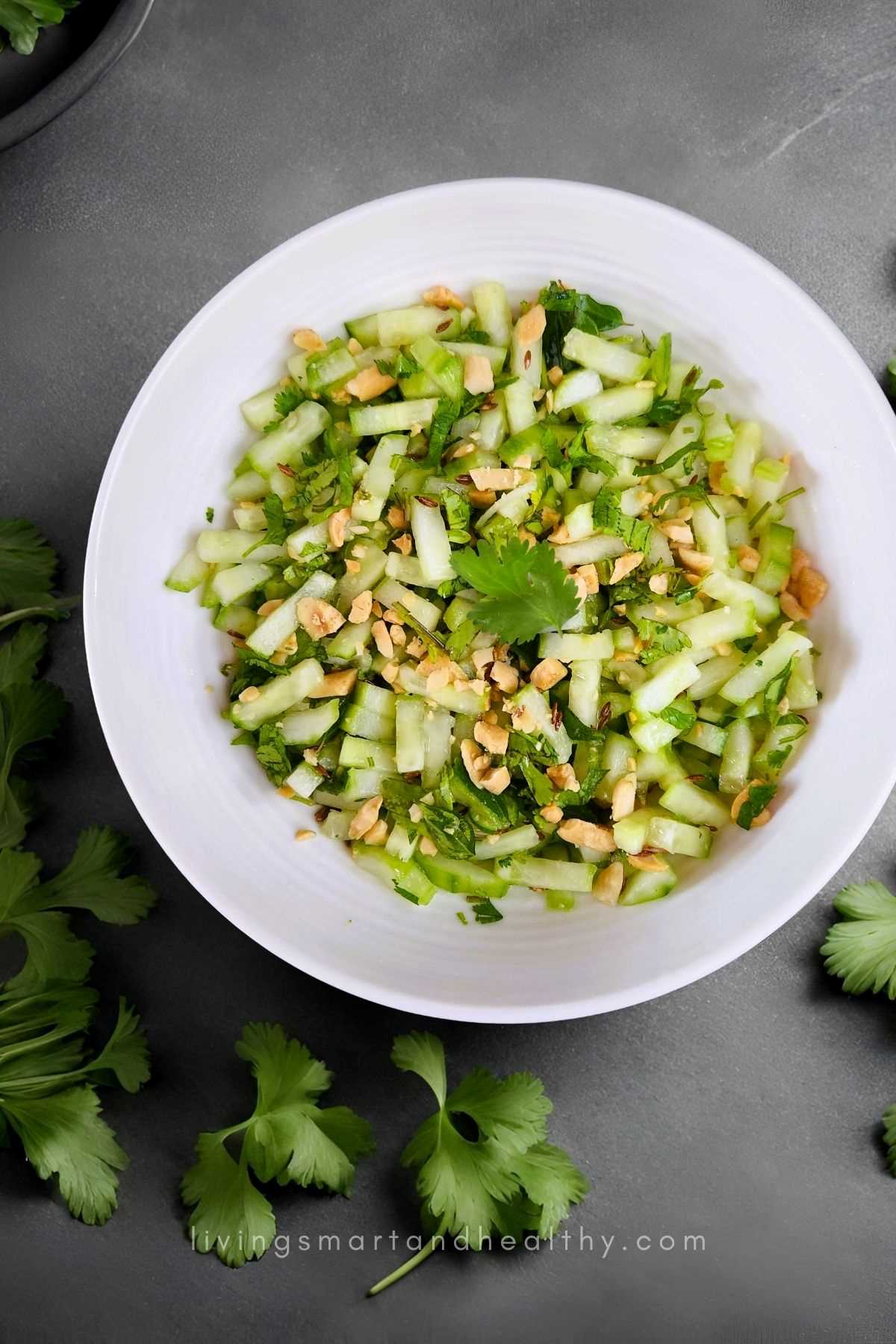
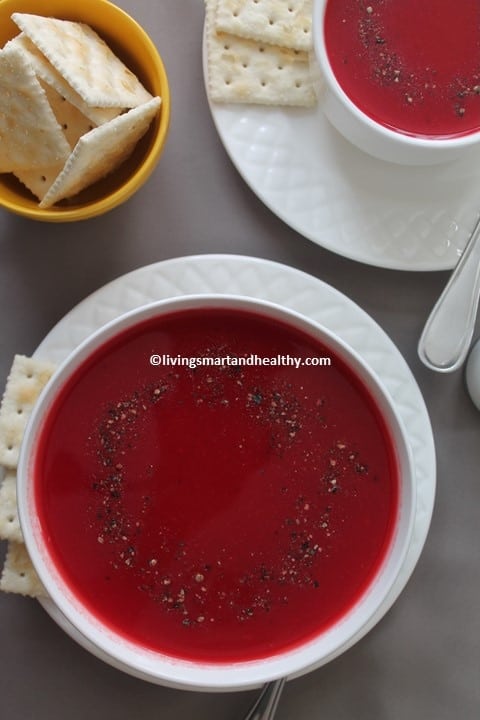
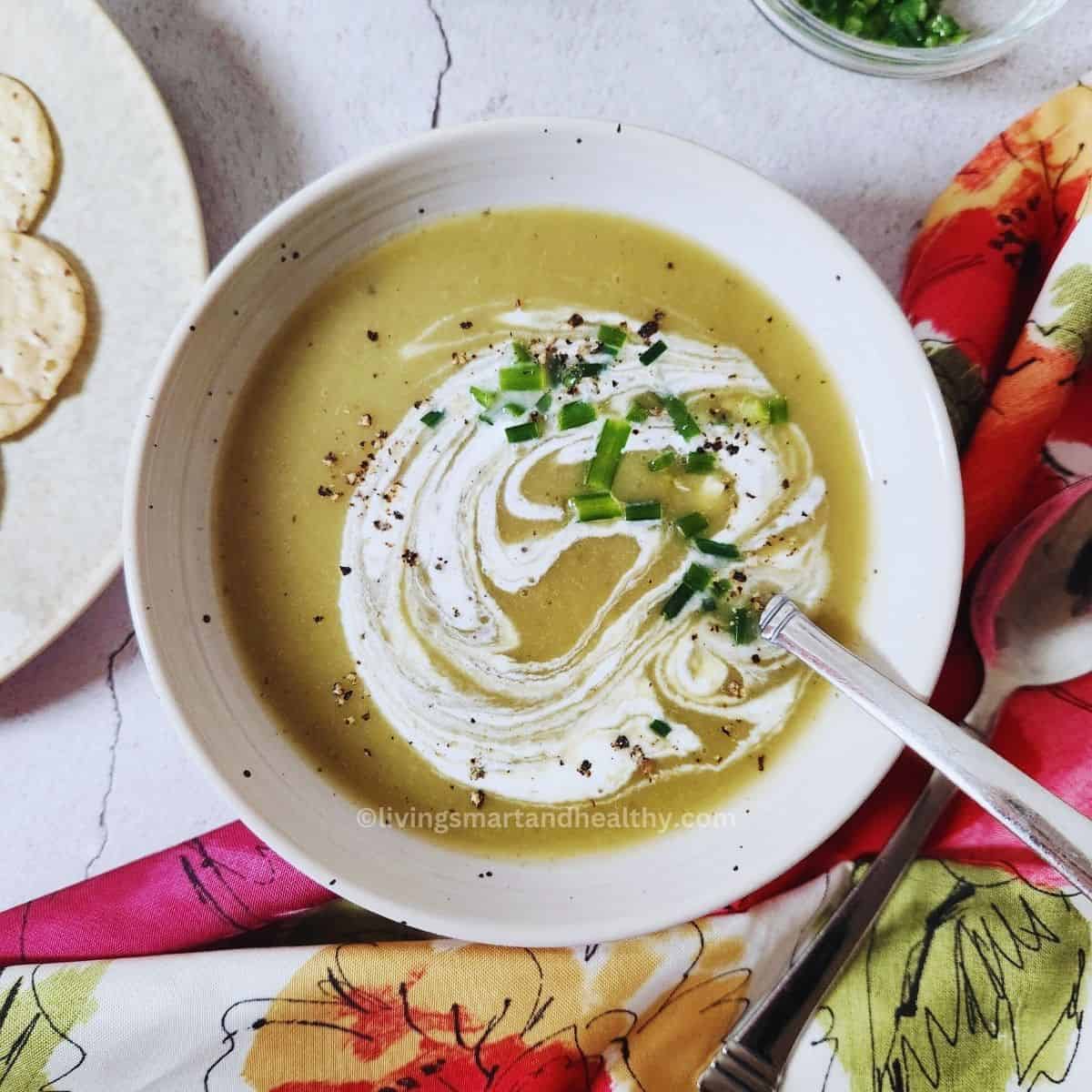
Warm soups made from broccoli, cauliflower, asparagus, or lentils are fantastic low-carb meal options, especially for dinner.
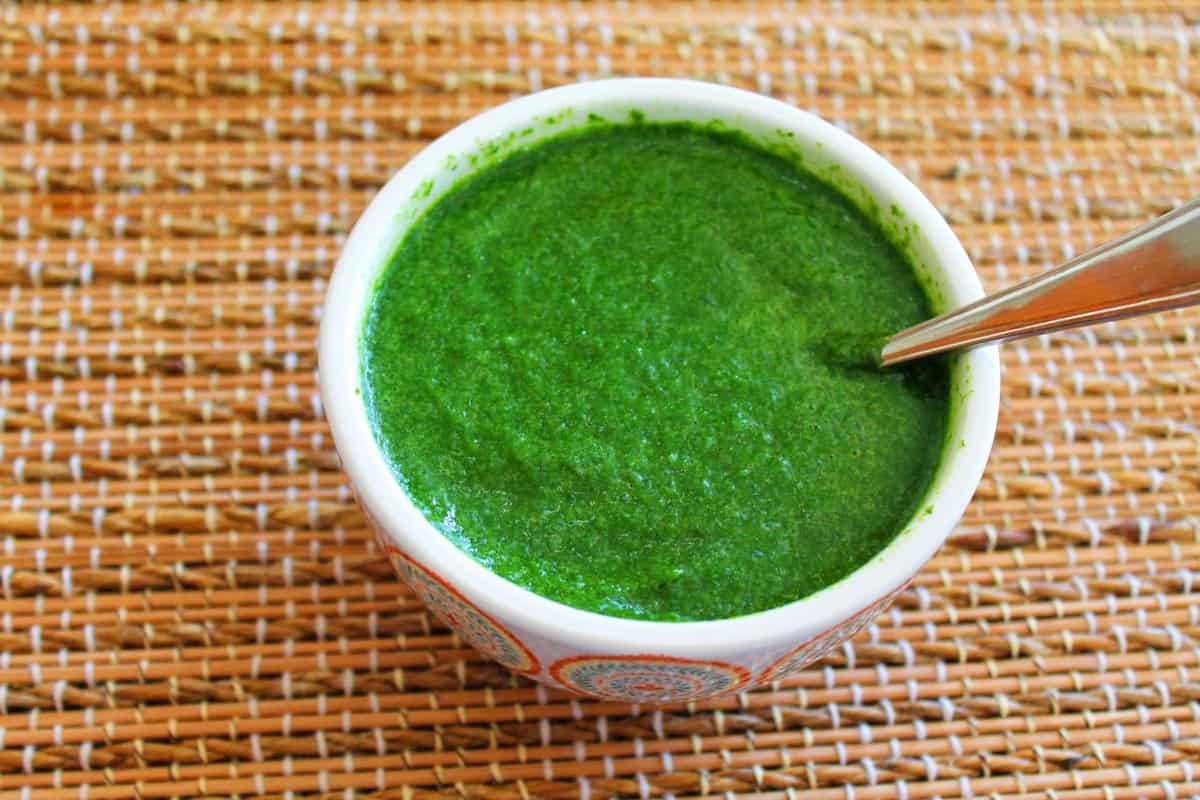
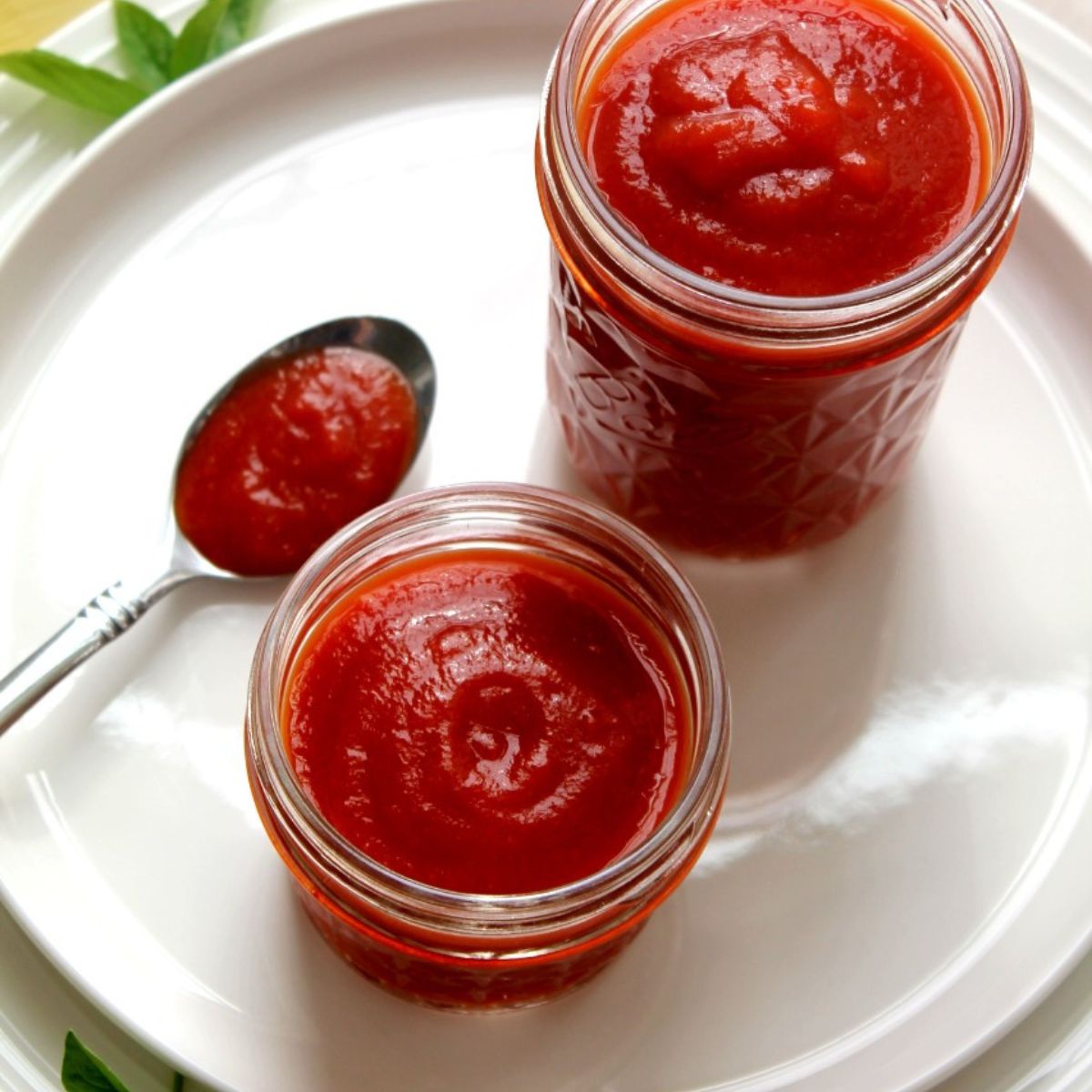
Diabetic Friendly Appetizers
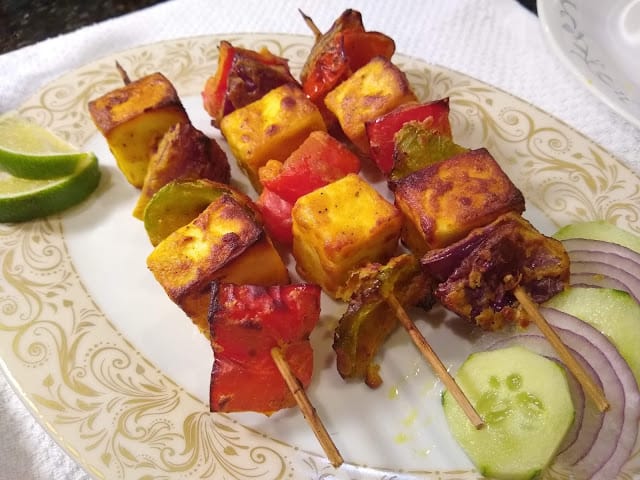

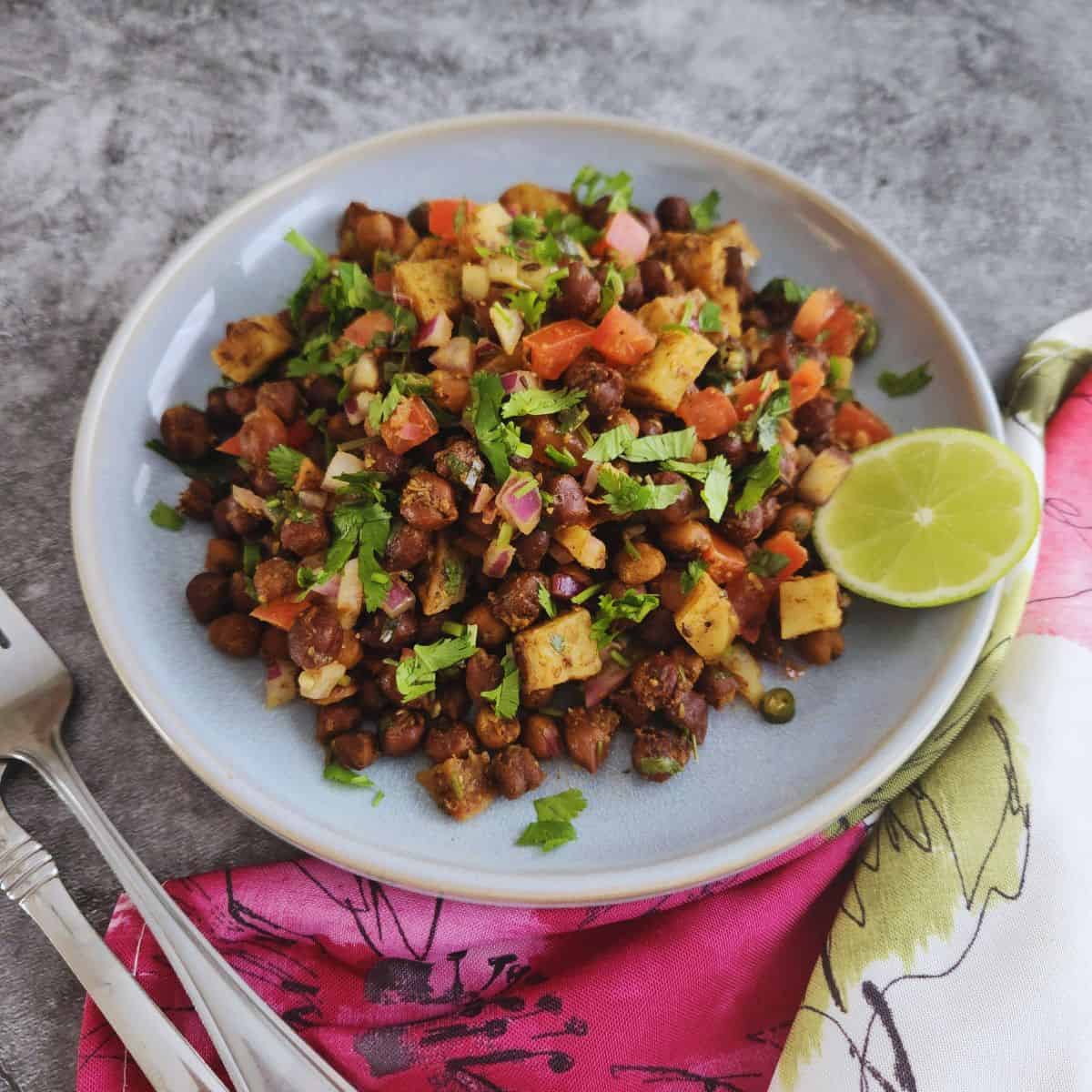
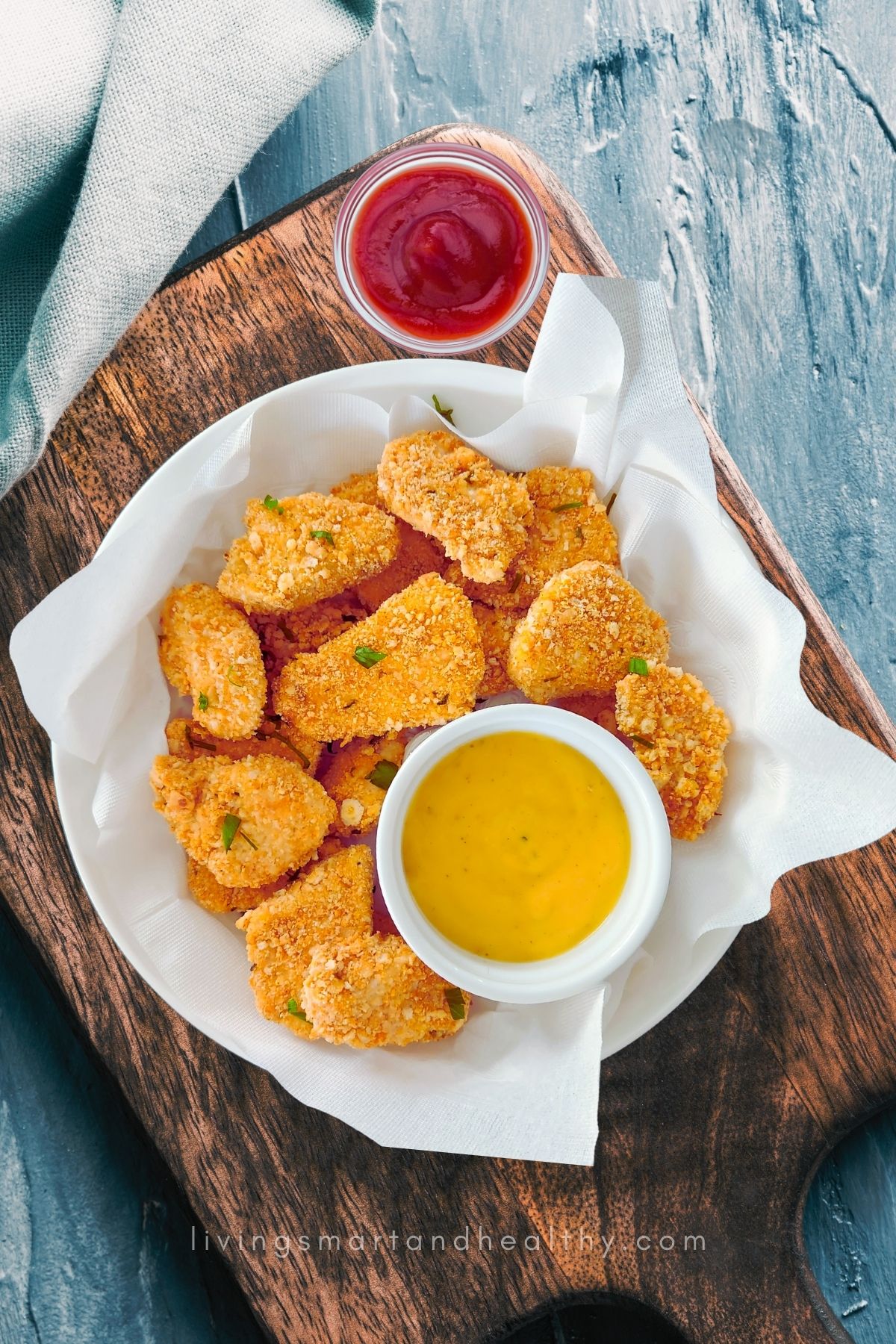
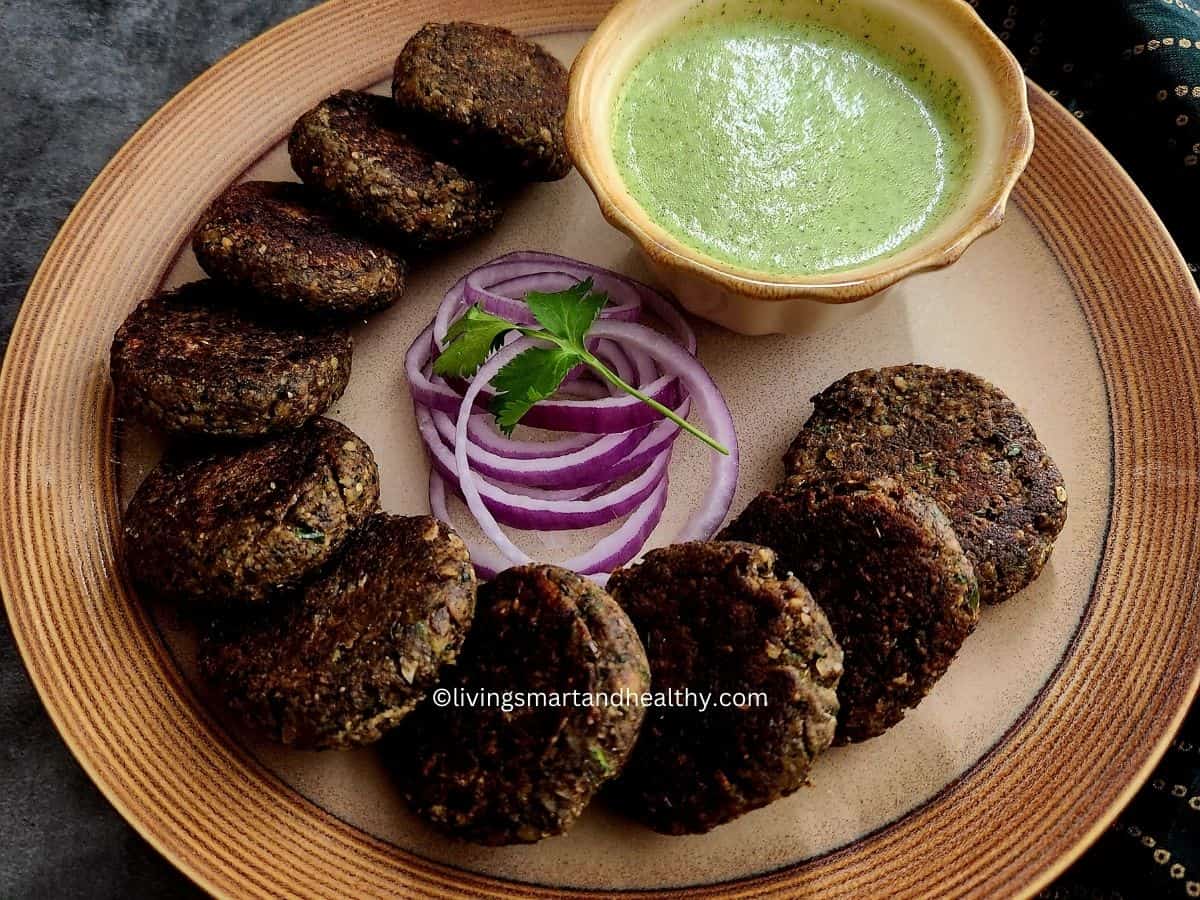
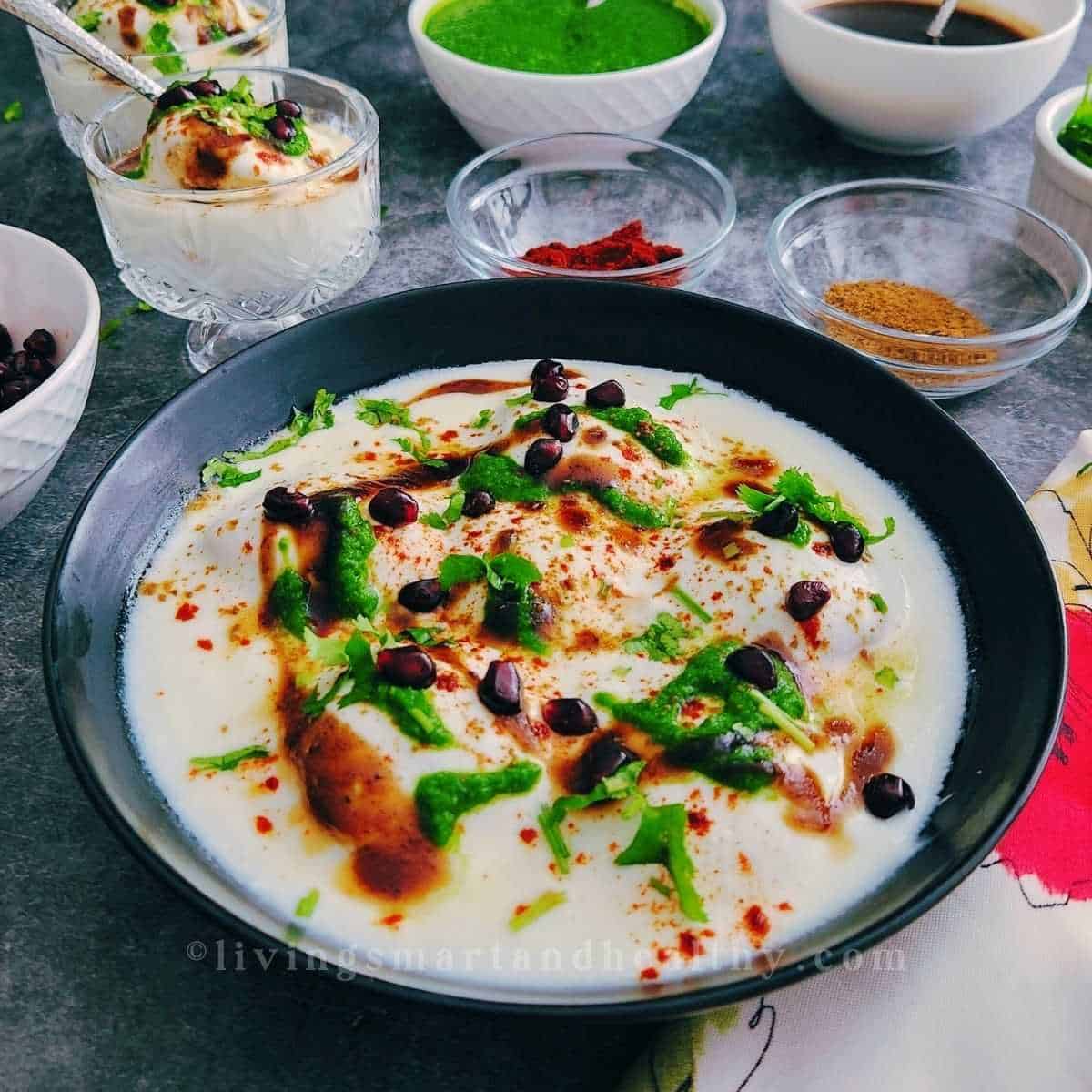
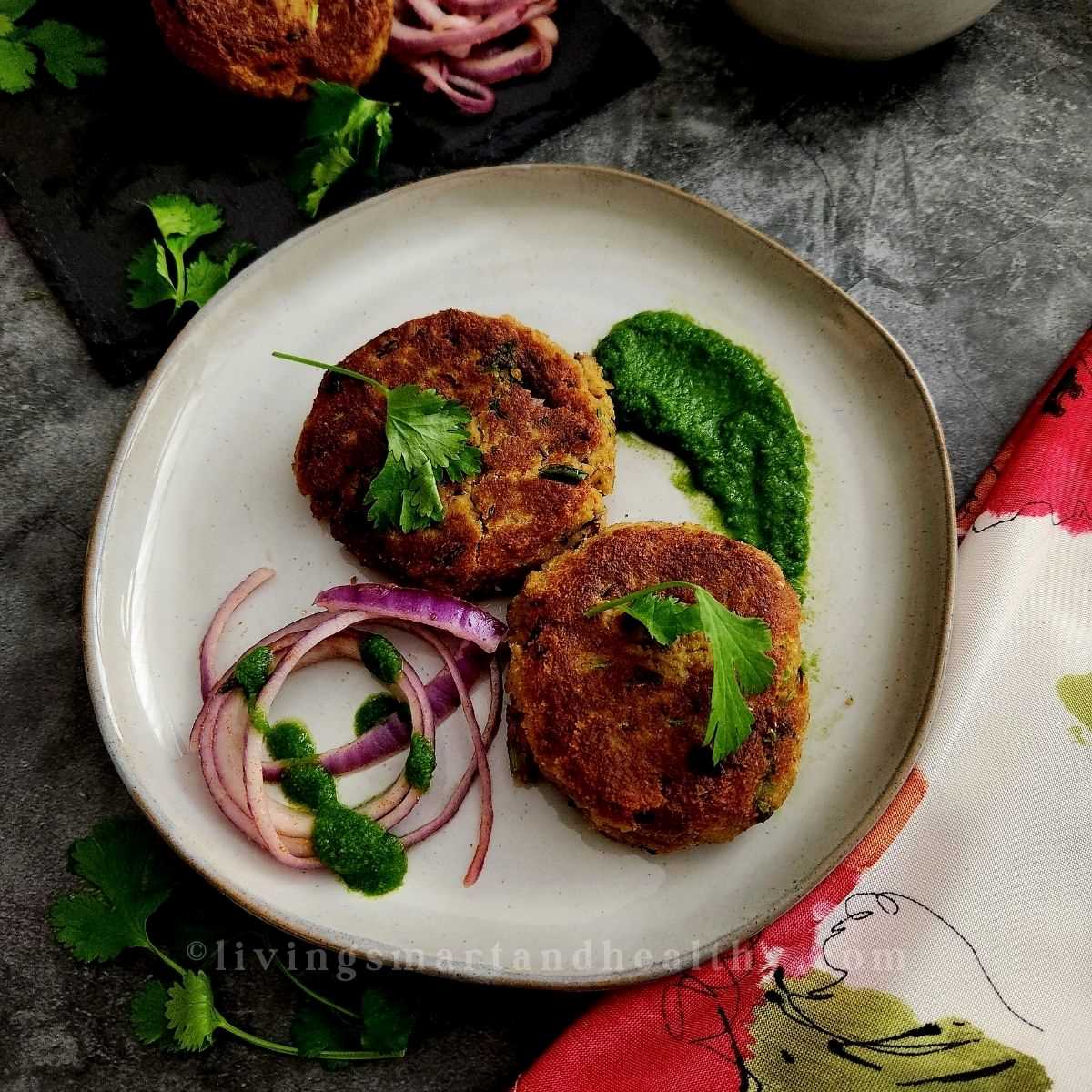
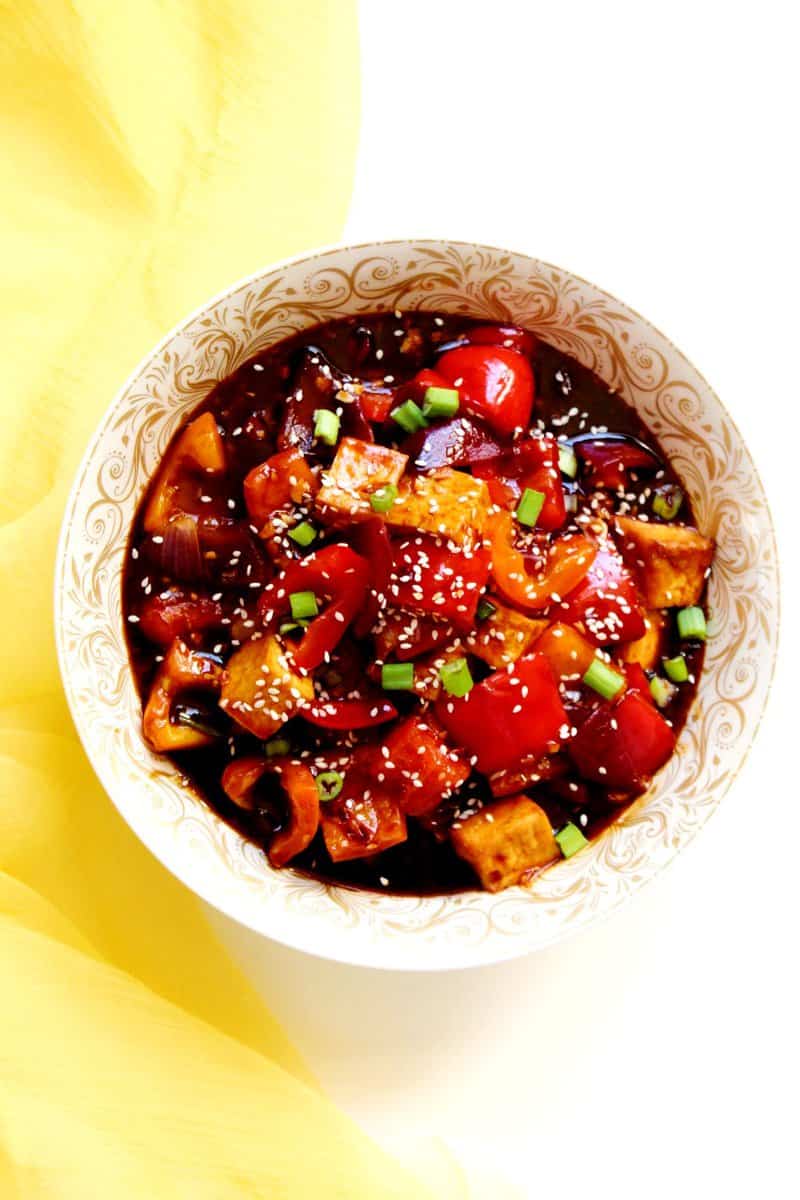
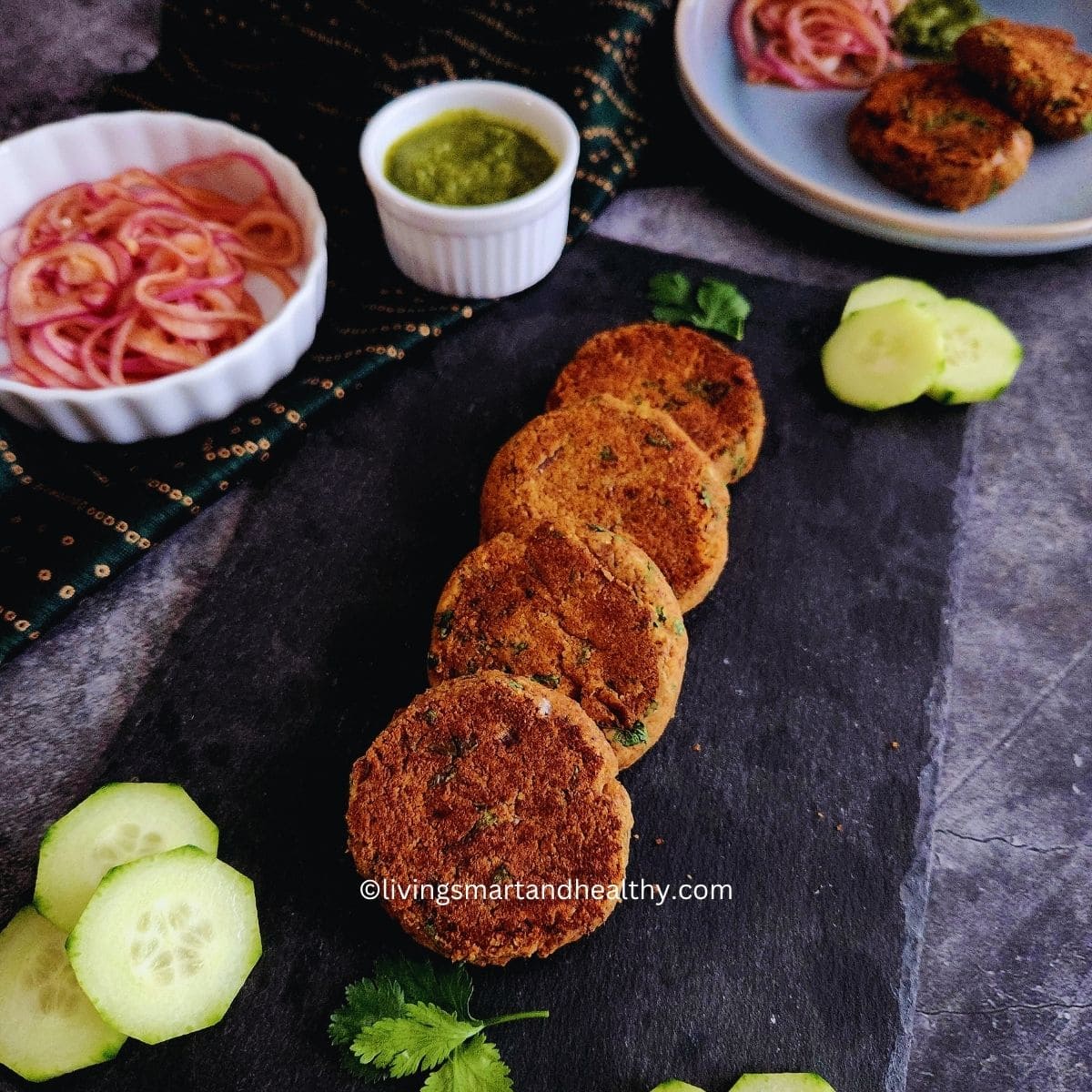
Non-Vegetarian Diabetic Indian Recipes
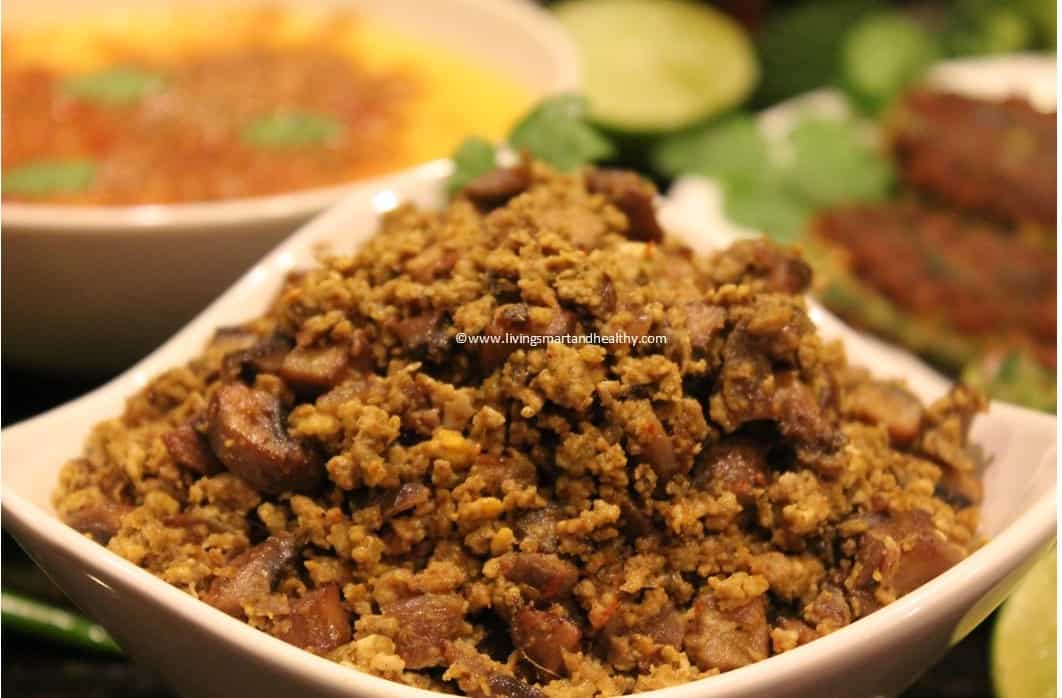
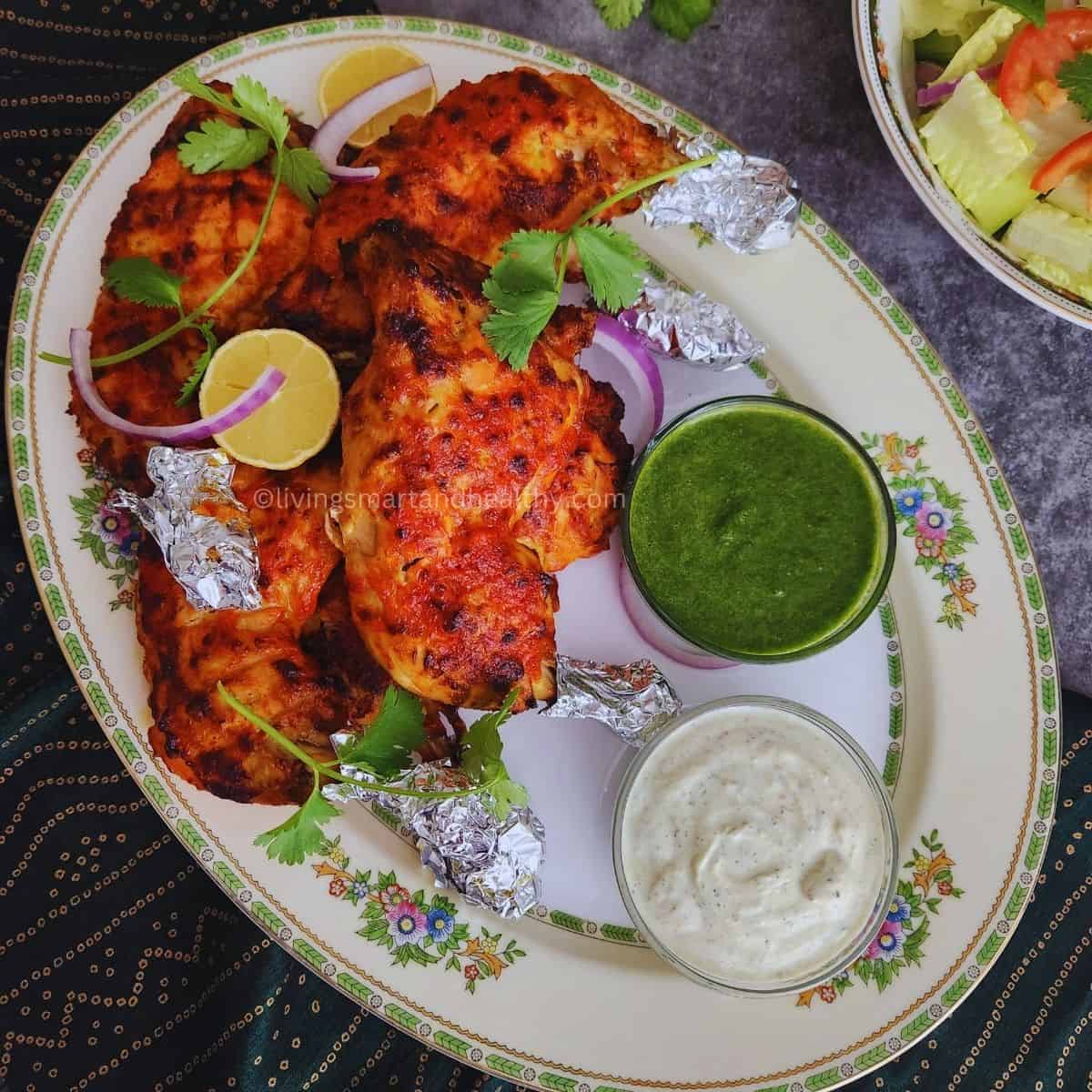
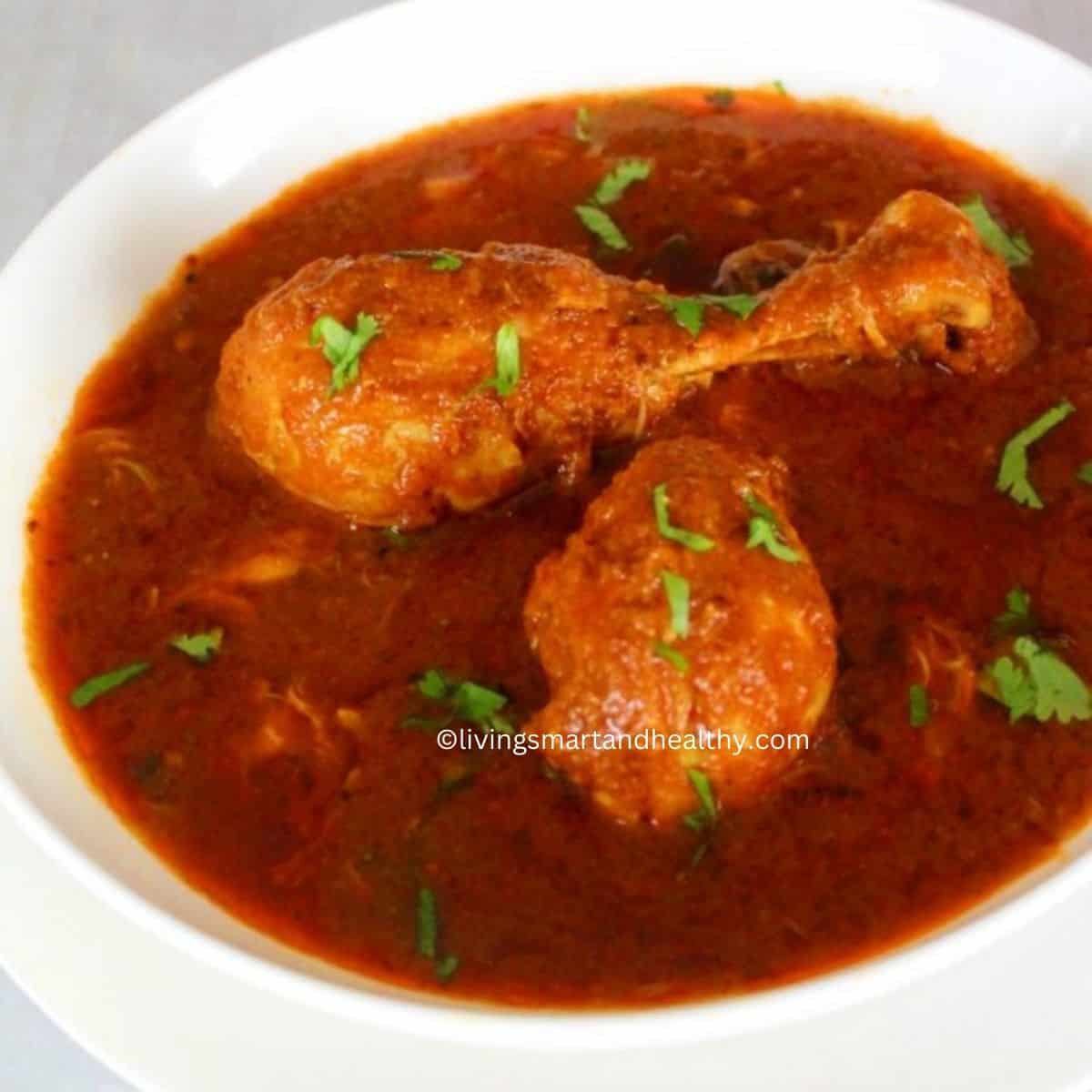
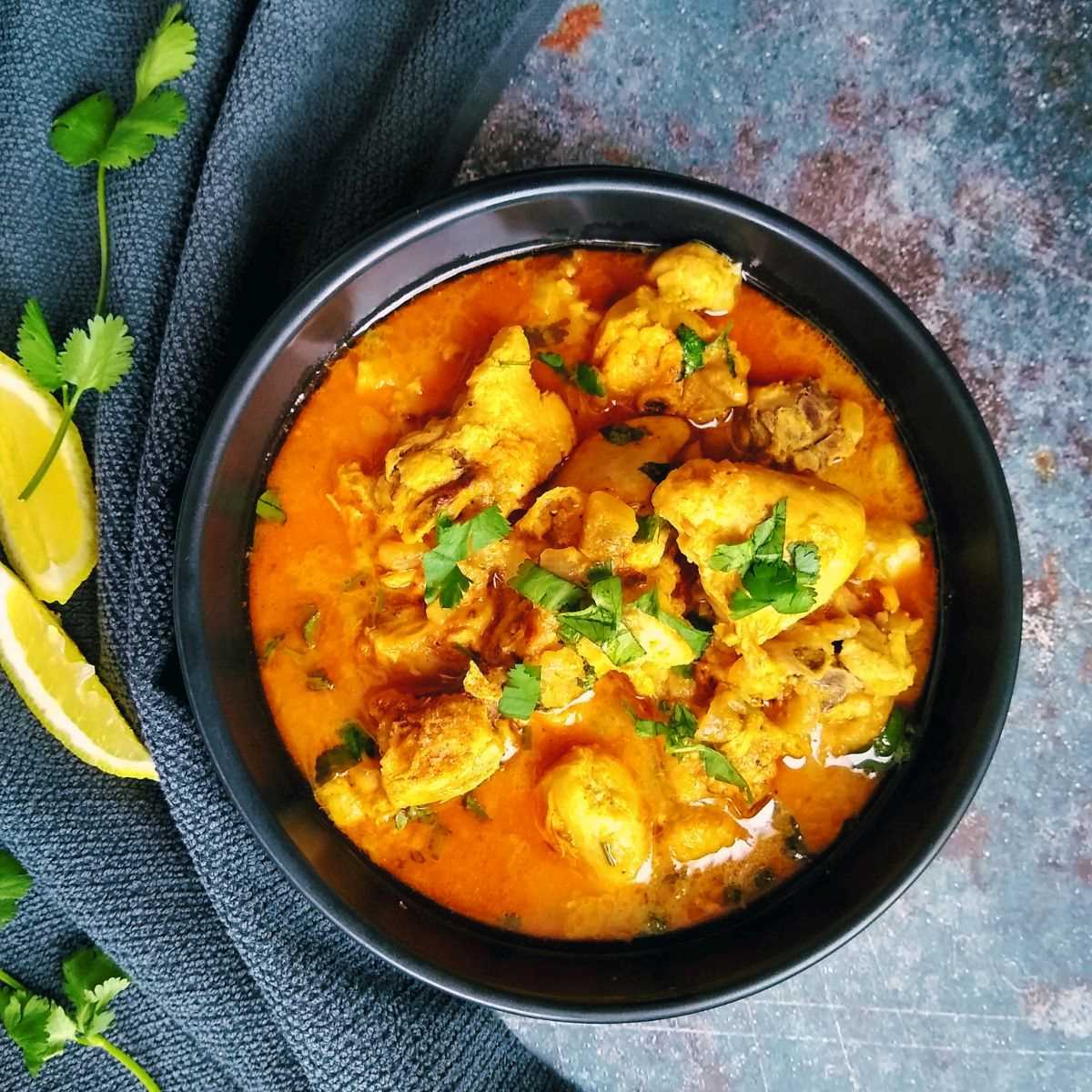
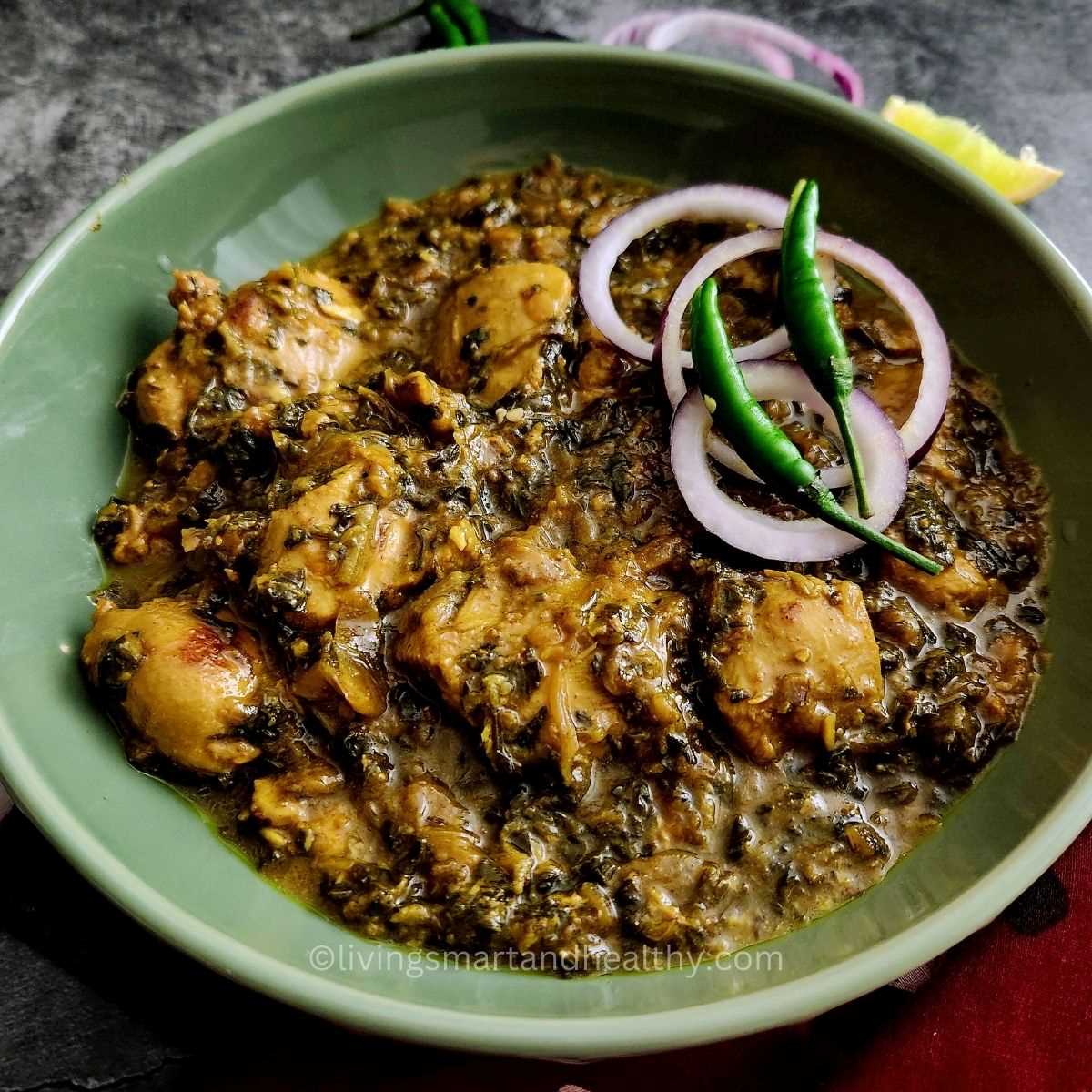
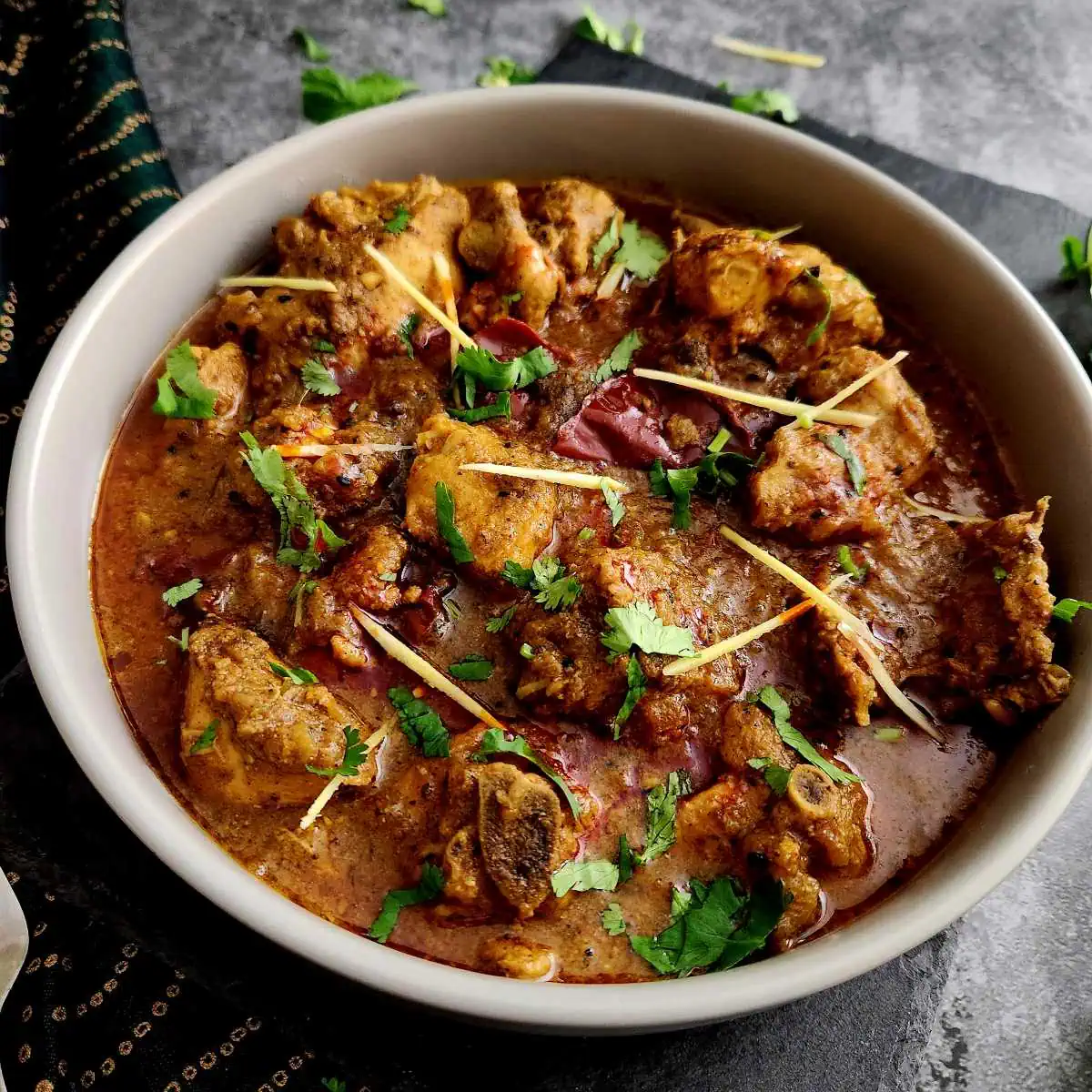
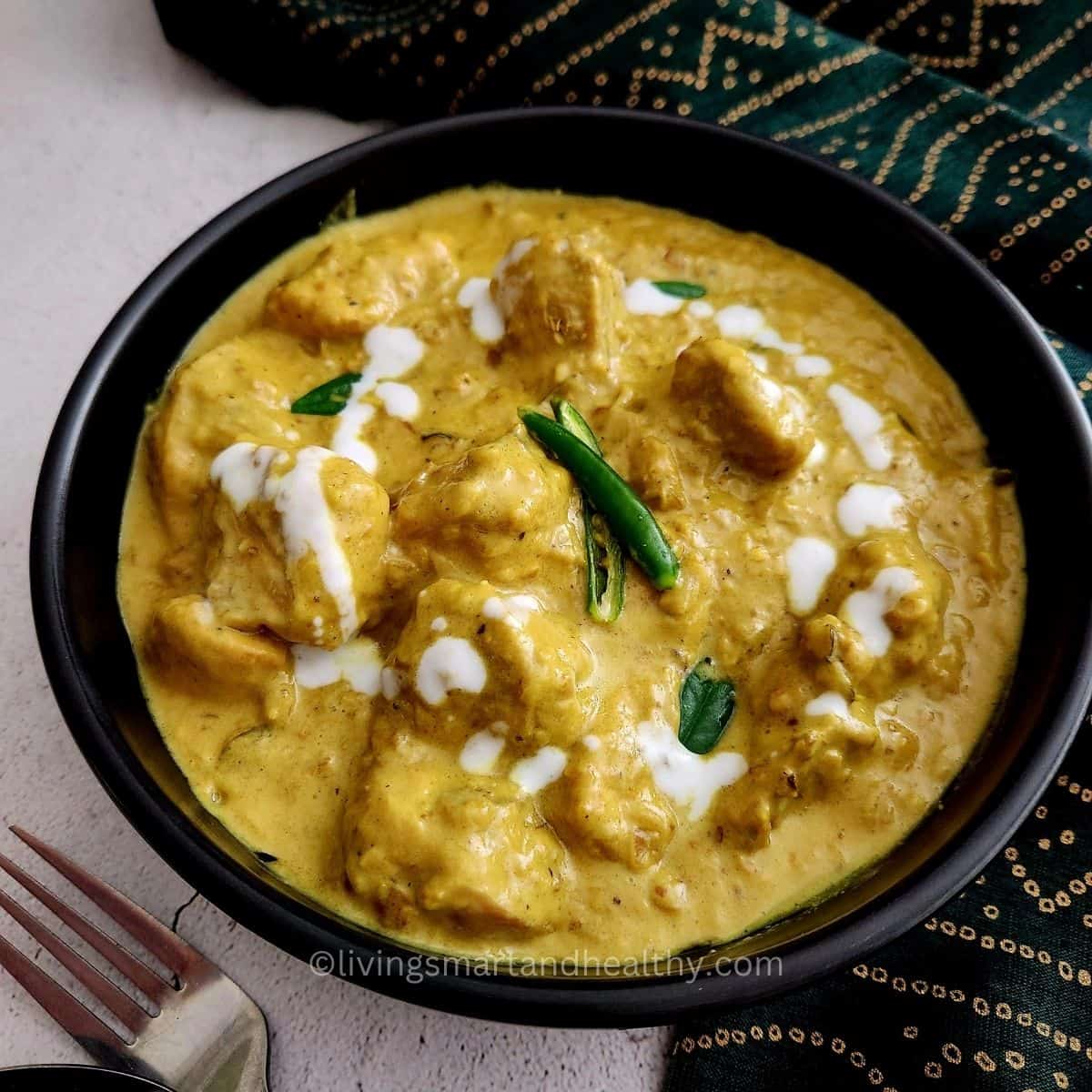
For non-vegetarians, lean proteins like chicken and fish are excellent for a diabetic diet — low in carbs, high in protein, and a natural match for Indian spices. Grilled, roasted, or cooked in light gravies are all great approaches.
Diabetics-Friendly Indian Snacks
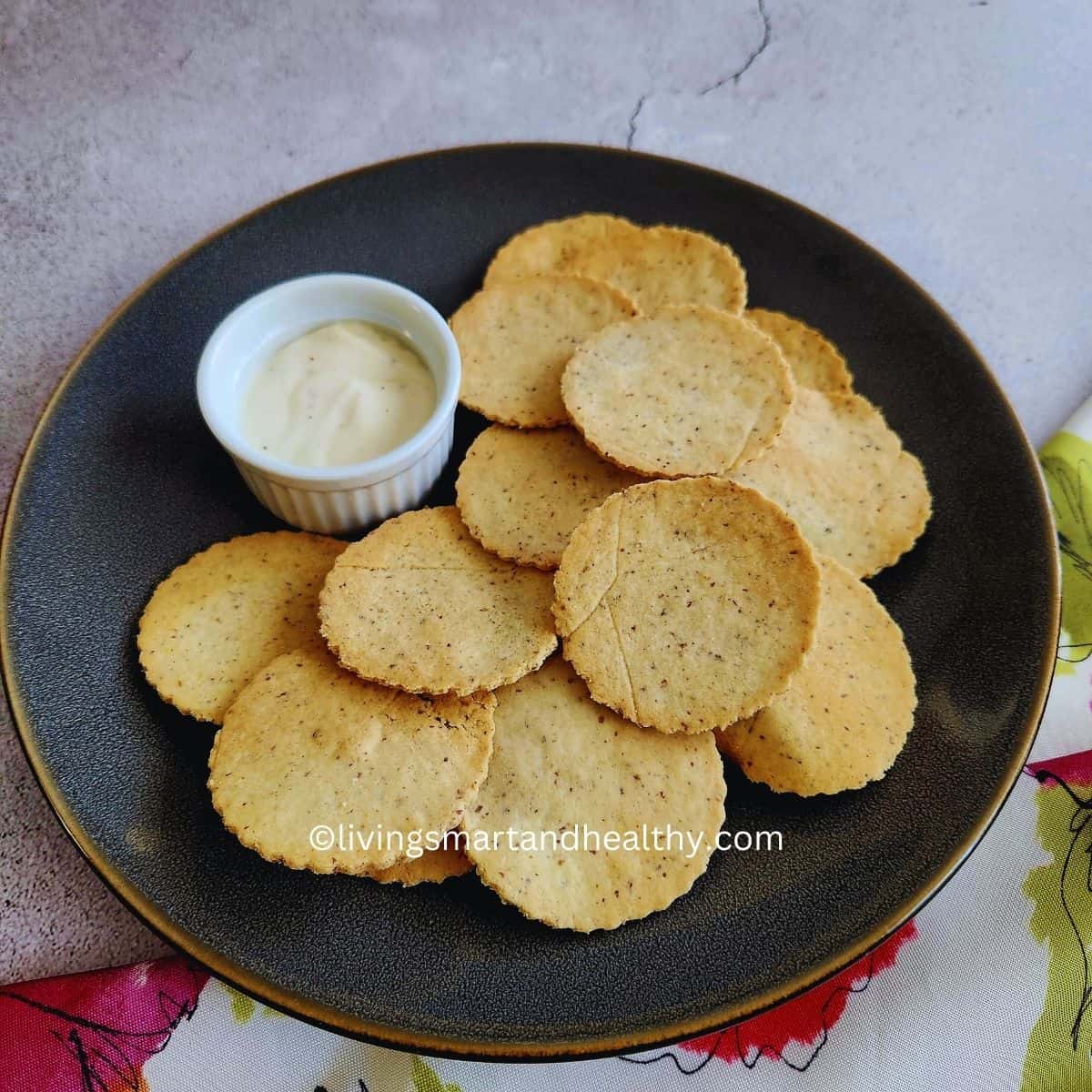
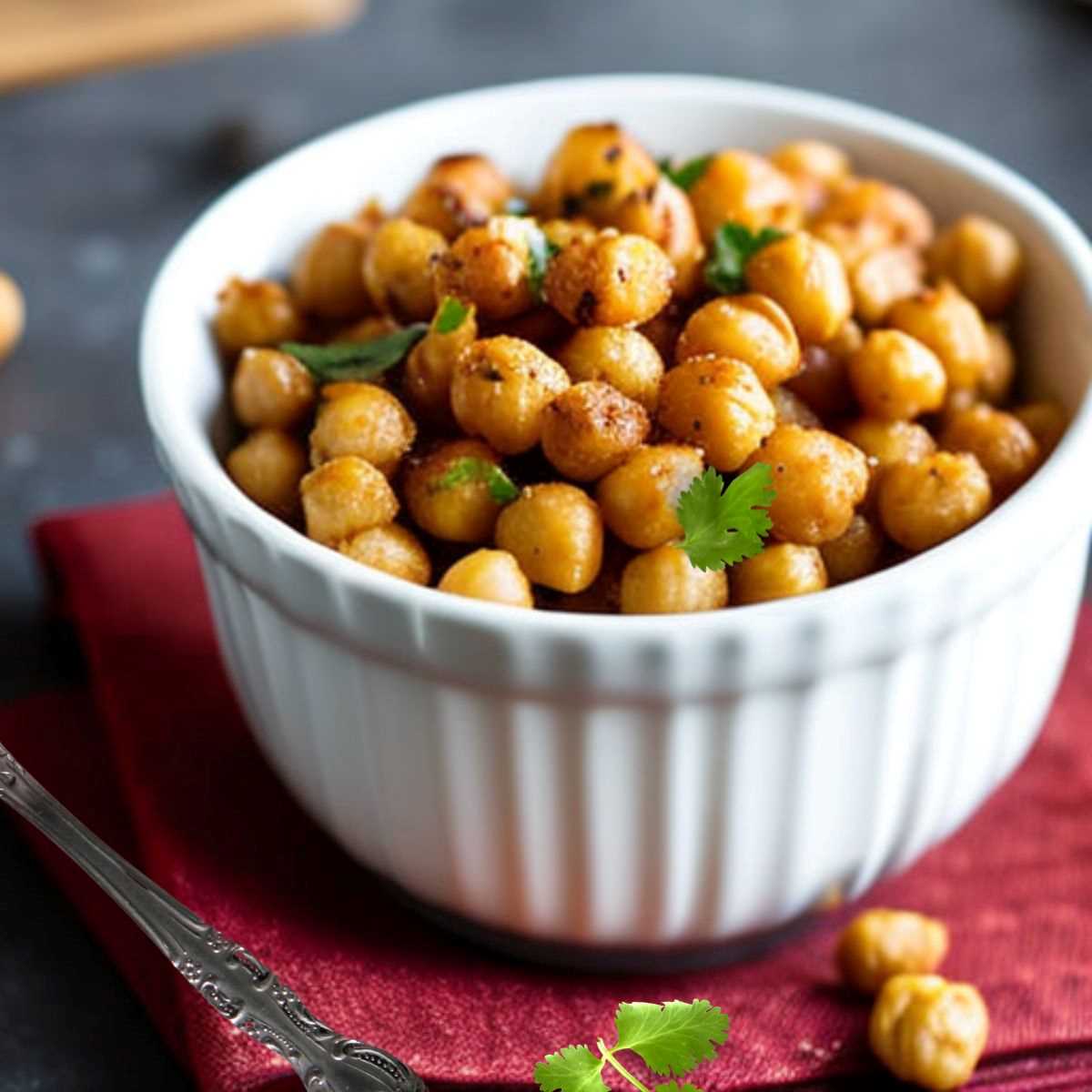
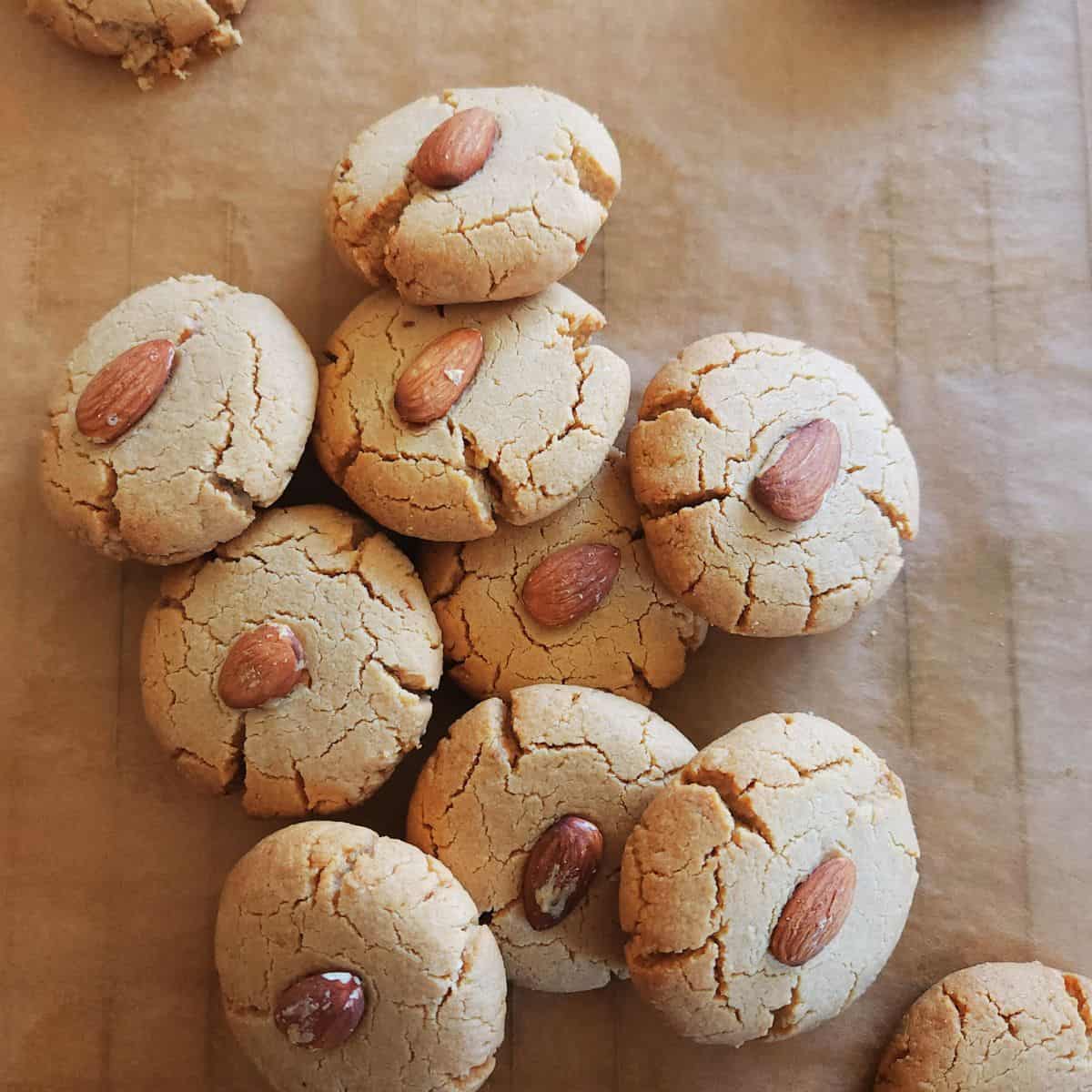
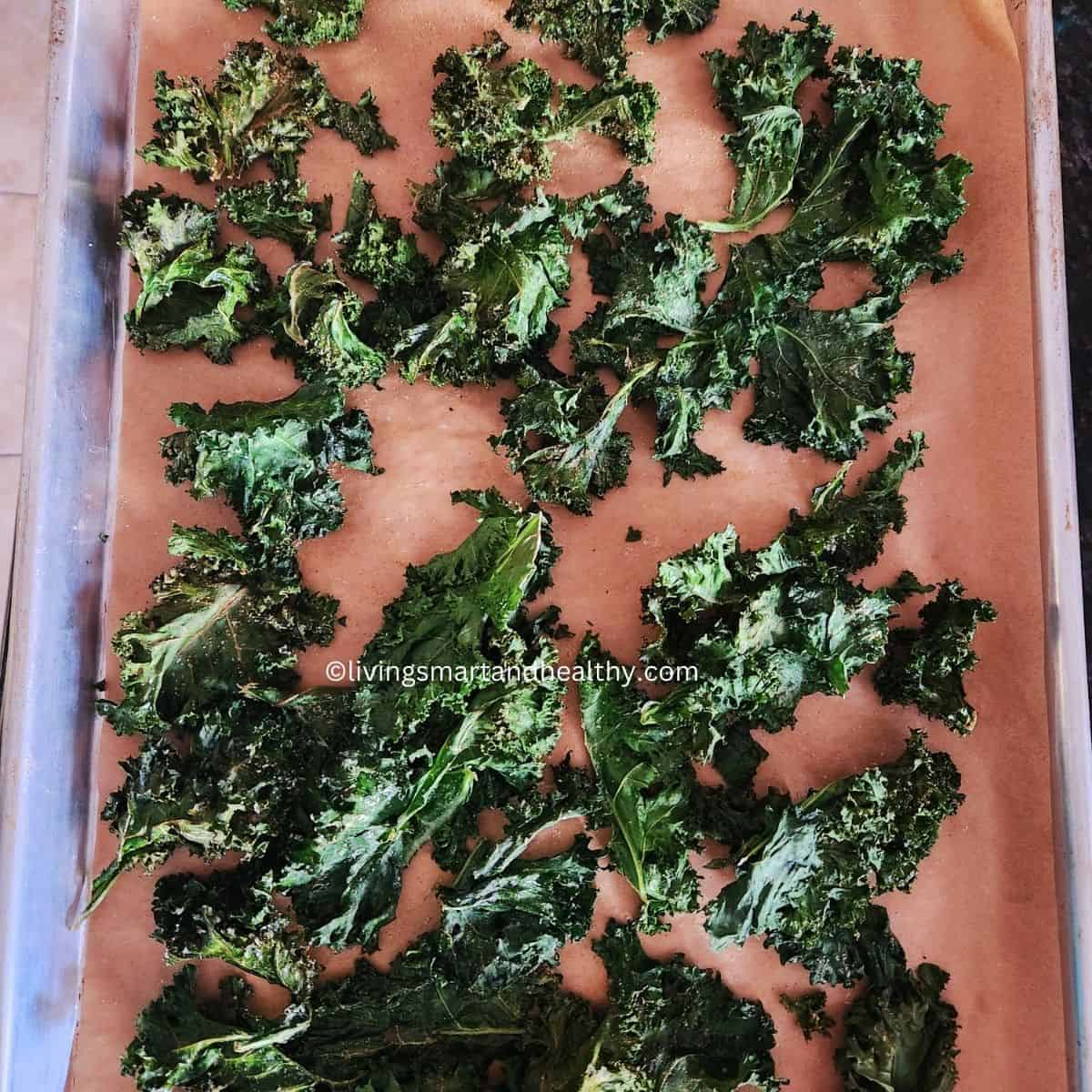
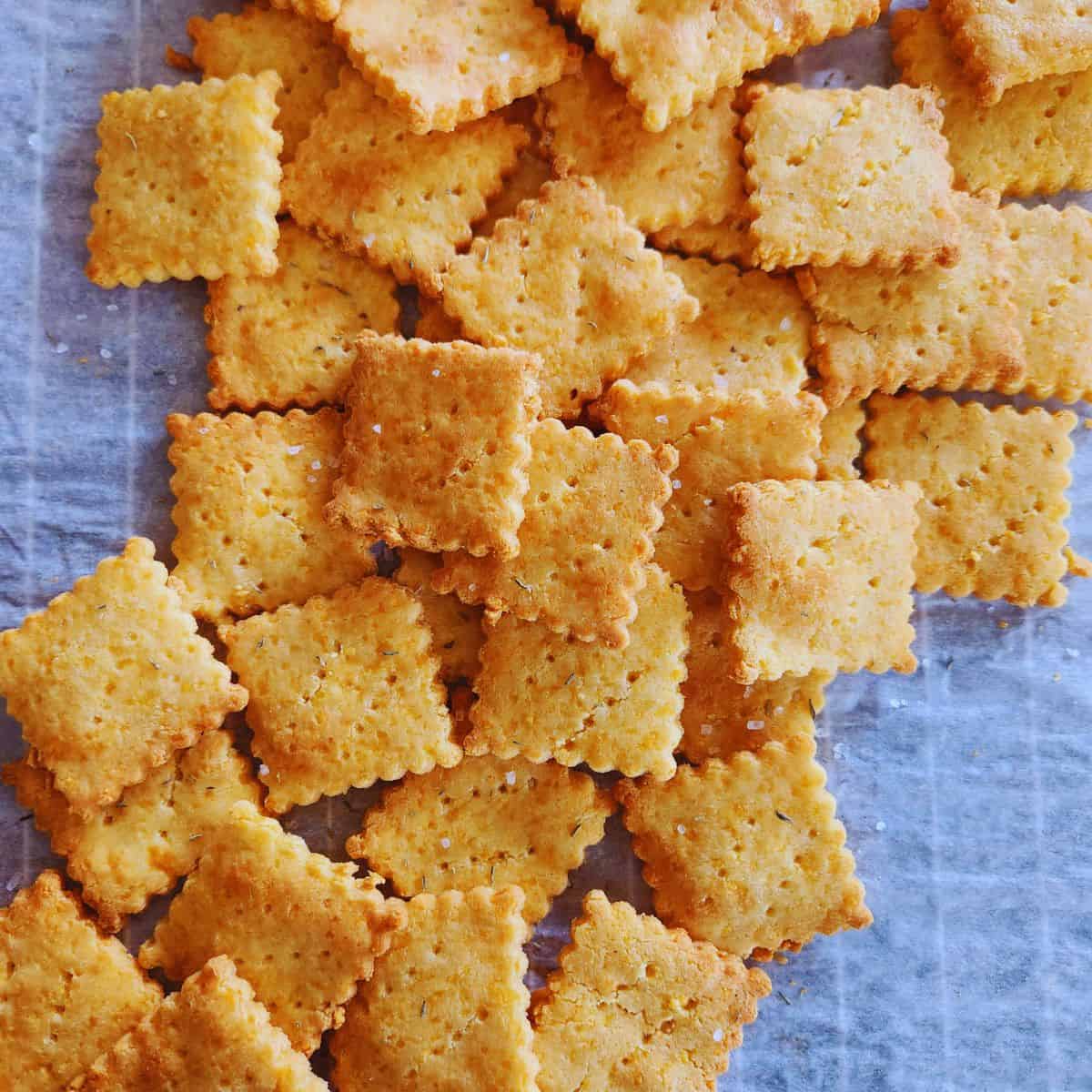
Smart snacking is key to keeping blood sugar steady between meals. Skip the fried namkeen and reach for roasted makhana (foxnuts, a puffed water lily seed, light and crunchy), a handful of nuts, or a small bowl of sprouted lentil chaat. The goal is protein and fiber, not empty carbs.
Foods to Limit on a Diabetic Indian Diet
While Indian cooking has so much to offer, a few foods are worth being mindful of:
- White rice - high glycemic index; have in small portions paired with protein and vegetables
- Maida (refined flour) - found in naan, puri, and most Indian bakery items
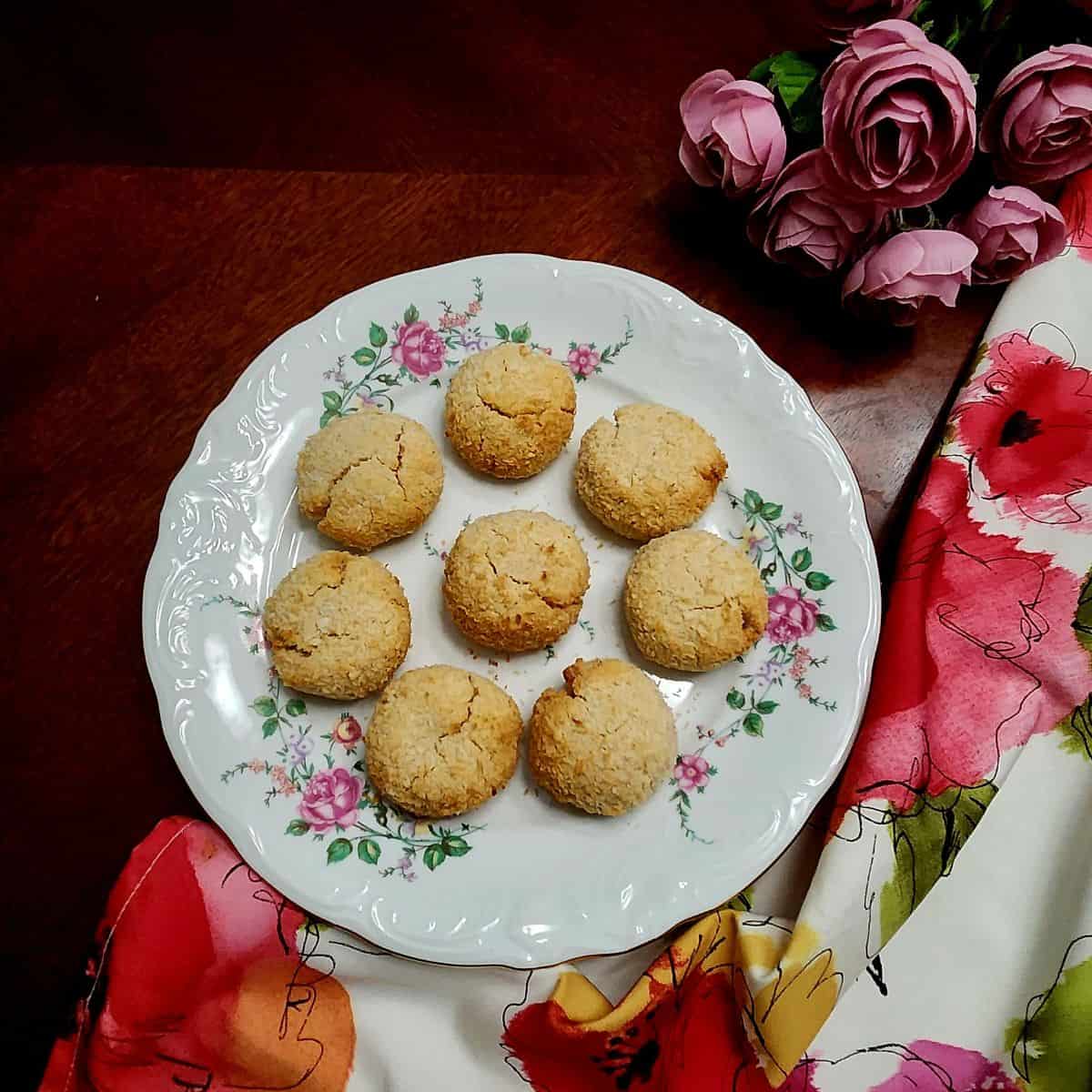
- Sugary mithai - traditional Indian sweets like ladoo, barfi, and halwa
- Fried snacks - samosas, pakoras, bhujia
- Fruit juices - even natural juices spike blood sugar fast; eat whole fruit instead
Smart Ingredient Swaps for Indian Cooking
| Instead of… | Try… |
|---|---|
| White rice | Cauliflower rice, millets, quinoa, or brown rice (small portions) |
| Wheat roti | Bajra (pearl millet) or jowar (sorghum) roti |
| Maida (refined flour) | Besan (chickpea flour) or whole wheat flour |
| Sugar | Small amounts of jaggery, monk fruit, or skip entirely |
| Potato in curries | Cauliflower, turnip, or extra non-starchy vegetables |
| Heavy cream in gravies | Greek yogurt or coconut milk |
Indian cooking is one of the most naturally adaptable cuisines for a diabetes-friendly diet, you just need to make the right choices. By focusing on lentils, vegetables, lean proteins, and whole grains, and by being mindful of portions, you can enjoy rich, satisfying Indian meals every single day without compromising your health.
I hope this collection of recipes gives you plenty of inspiration. When you try any of these, I'd love to hear from you, drop a comment below or tag me on Instagram!
Looking for more healthy Indian recipes? Check out my [Low-Carb Indian Vegetarian Recipes] and [High-Protien Indian Vegan Recipes] collections.
Note: Always consult your doctor or a registered dietitian before making significant changes to your diet. These recipes are meant to complement your diabetes management plan, not replace medical advice.
Leave a Reply