
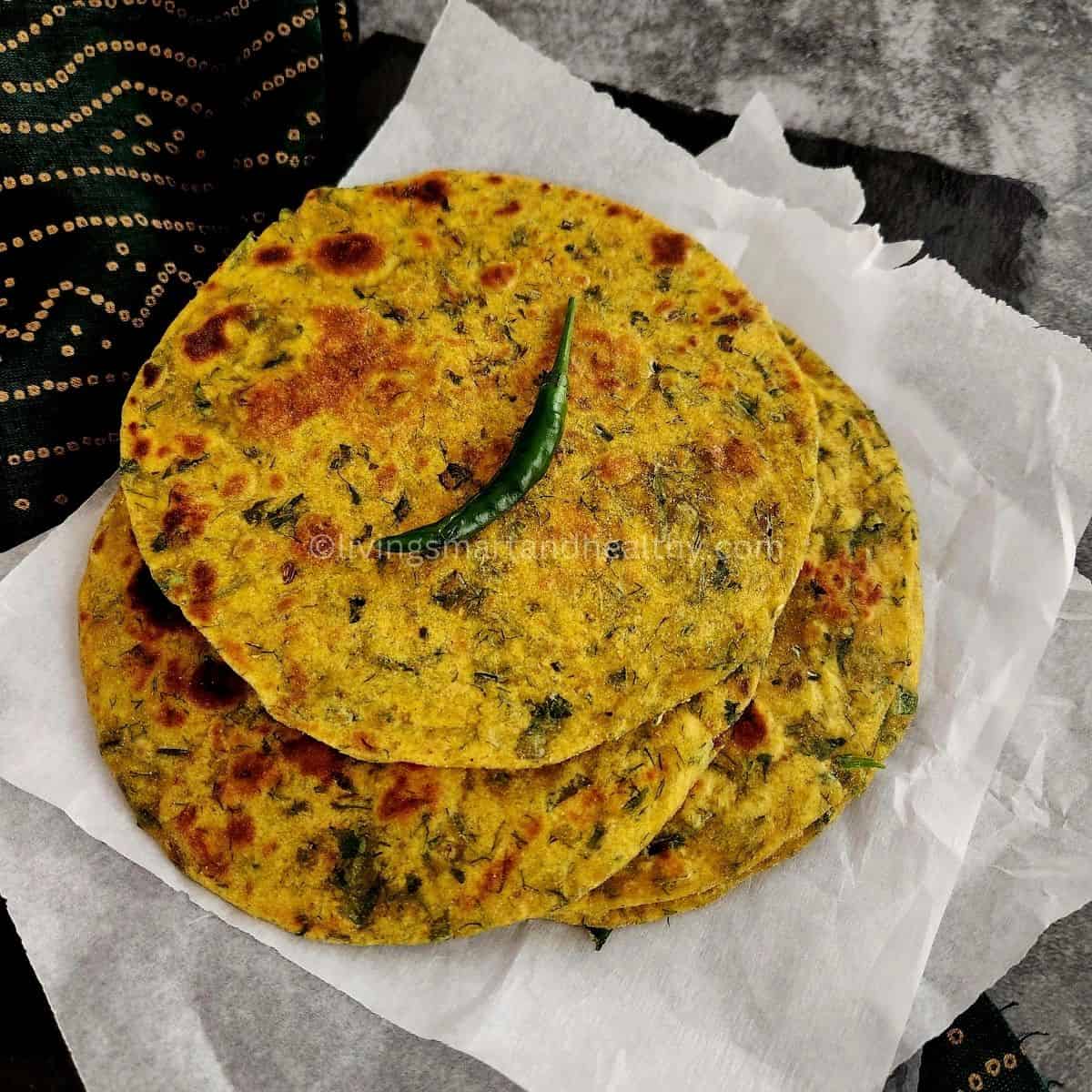
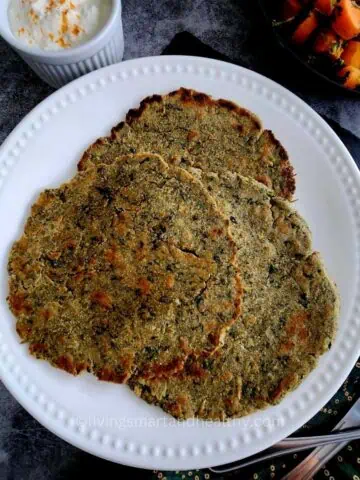
Popular during the winter season, this traditional Bathua paratha recipe is a healthy and flavorful North Indian flatbread made with fresh bathua leaves, whole wheat flour, and mild spices.
Easy to prepare and perfect for breakfast, lunch, or dinner, these parathas pair beautifully with yogurt, butter, or pickle for a comforting homemade meal.

Bathua paratha is especially popular in North India, particularly in Punjab, Haryana, Rajasthan, and Uttar Pradesh, where bathua greens are widely available during the winter season.
Traditionally made in rural households and Punjabi kitchens, it is considered a seasonal comfort food that celebrates fresh winter produce.
Bathua paratha is commonly enjoyed for breakfast with homemade butter, curd, or jaggery, and is often served to boost nutrition during colder months.
Over time, its popularity has grown beyond regional kitchens as more people rediscover traditional Indian greens and seek healthy, fiber-rich recipes rooted in authentic Indian food culture.
Jump to:

About Bathua Paratha Recipe
This bathua paratha recipe is a simple, traditional way to enjoy the goodness of fresh bathua (chenopodium or lamb's quarters) leaves in an everyday Indian meal.
Finely chopped bathua is mixed into whole wheat flour with basic spices to create a soft dough, which is then rolled and cooked on a hot tawa until golden and lightly crisp. The result is a wholesome, mildly earthy paratha that's nutritious, comforting, and full of homemade flavor.
Perfect for winter mornings or a light meal, these parathas are not only delicious but also a source of vitamins, minerals, and dietary fiber from the bathua leaves. Served hot with yogurt, pickles, or a side of choice.
Ingredients
Here's a brief description of the ingredients used in making bathua paratha:
- Whole Wheat Flour (Atta): Used for the dough.
- Water: Used to bind the dough. The amount of water will depend on the consistency of the dough.
- Salt: Adds flavor to the dough.
- Bathua Leaves (Chenopodium): Bathua, also known as pigweed, is a leafy green vegetable that is rich in vitamins and minerals.
- Onion: Adds a sweet and savory flavor to the filling.
- Green Chilies: Adds heat and spice to the filling. Adjust the quantity based on your spice preference.
- Grated Ginger: Provides a warm and aromatic flavor to the filling.
- Cumin Seeds: Adds a nutty and earthy flavor to the filling.
- Ghee or Oil: Used for cooking the parathas. Adds richness and enhances the flavor.
How to make Bathua Paratha
Bathua paratha is a delicious and nutritious Indian flatbread made with bathua leaves (also known as Chenopodium or pigweed) and whole wheat flour. Here's a simple recipe for making bathua paratha:
Step 1: Wash the bathua leaves thoroughly and chop them finely.
Step 2: Heat a little oil in a pan and add cumin seeds. Once they splutter, add chopped green chilies, and grated ginger. Sauté for few seconds.
Step 3: Add the chopped bathua leaves and salt. Cook for a few minutes until the leaves are wilted and the mixture is dry. Allow it to cool.
Step 4: In a large mixing bowl, combine the whole wheat flour, bathua mixture, salt, and enough water to make a smooth and soft dough. Knead the dough well and let it rest for about 10-15 minutes.
Step 5: Divide the dough into small lemon-sized balls. Take one ball, dust it in flour, and roll it out into a small circle.
Step 6: Heat a tawa or griddle over medium heat. Place the rolled paratha on the hot tawa and cook until bubbles appear on the surface. Flip the paratha and cook the other side, applying ghee or oil on both sides until golden brown spots appear.
Step 7: Remove the bathua paratha from the tawa and repeat the process with the remaining dough balls. Serve hot with yogurt, pickle, chutney, or any side of your choice.
Enjoy your nutritious and flavorful bathua parathas!
Storage
Bathua paratha tastes best when served fresh, but leftovers can be stored easily. Once cooled completely, place the parathas in an airtight container and refrigerate for up to 2 days. Reheat on a hot tawa with a few drops of oil or ghee until warm and soft.
For longer storage, you can partially cook the parathas, cool them, and freeze with parchment paper between each one for up to 1 month. Reheat directly from frozen on a tawa until fully cooked and lightly crisp.
Tips
Here are some tips to ensure your bathua parathas turn out delicious:
- Fresh Bathua Leaves: Use fresh and tender bathua leaves for the best flavor and texture.
- Properly Cook the Greens: Ensure that the bathua is just wilted and not overcooked.
- Dough: Knead the dough well and allow it to rest. This helps in making soft and pliable parathas.
- Rolling: Roll out the parathas evenly to avoid any thick or thin spots. This ensures uniform cooking.
- Controlled Heat: Cook the parathas over medium heat to achieve a golden brown color without burning. Adjust the heat as needed.
- Ghee or Oil: Brushing ghee or oil on the parathas while cooking enhances flavor and gives them a nice texture. However, use it in moderation.
- Serve Fresh: Enjoy bathua parathas hot and fresh off the griddle for the best taste and texture.
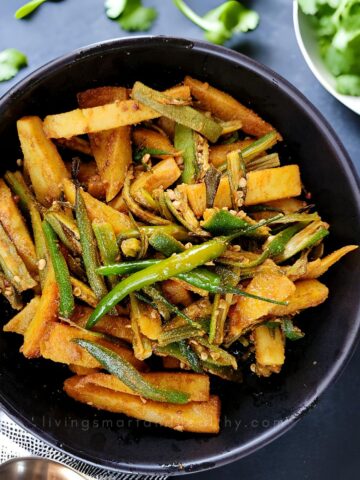
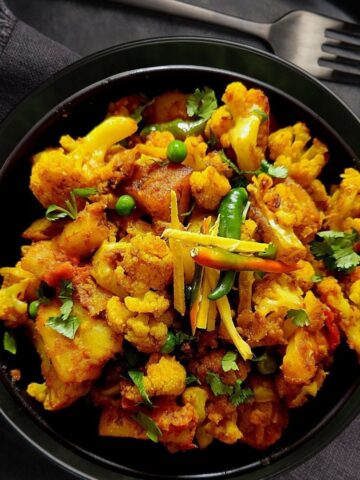
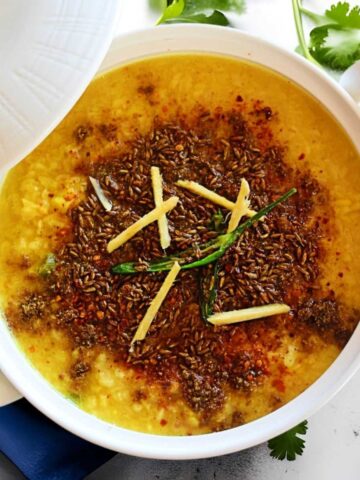
- Accompaniments: Serve with yogurt, pickles, or any favorite side dish to complement the flavors of the parathas.
Frequently Asked Questions
Bathua, also known as pigweed or Chenopodium album, is a leafy green vegetable commonly used in Indian cuisine. It is rich in nutrients and often used in dishes like parathas and saag.
Bathua paratha offers a nutritious blend of whole wheat and bathua leaves, providing essential vitamins, minerals, and fiber.
Bathua is a versatile leafy green that can be used to make various dishes, including saag (cooked greens), bathua raita (yogurt-based side dish), and bathua paratha (flatbread filled with bathua). Its mild and slightly earthy flavor makes it suitable for diverse culinary applications in Indian cuisine.
Serving Suggestions
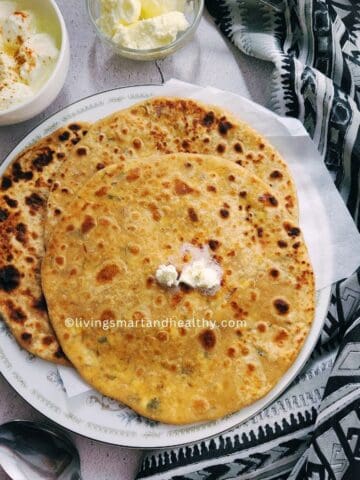
Bathua Paratha Recipe
Equipment
- 1 Tawa
Ingredients
For the Dough:
- 1 cup fresh bathua leaves (lamb’s quarters), finely chopped
- 2 cups whole wheat flour (atta)
- 1-2 green chilies ,finely chopped (optional)
- 1 teaspoon ginger ,grated
- 1 small onion ,chopped
- 2 tablespoon fresh cilantro ,chopped
- ½ teaspoon cumin seeds
- Salt to taste
- Water as needed
For Cooking:
- 2-3 tablespoon oil or ghee
Instructions
- Wash the bathua leaves thoroughly and chop them finely.
- Heat a little oil in a pan and add cumin seeds. Once they splutter, add chopped green chilies, and grated ginger. Sauté for few seconds.
- Add the chopped bathua leaves and salt. Cook for a few minutes until the leaves are wilted and the mixture is dry. Allow it to cool.
- In a large mixing bowl, combine the whole wheat flour, bathua mixture, salt, and enough water to make a smooth and soft dough. Knead the dough well and let it rest for about 10-15 minutes.
- Divide the dough into equal-sized balls (6 dough balls). Roll each ball into a flat, round paratha (about 6-7 inches in diameter), dusting lightly with flour as needed.
- Heat a tawa or griddle over medium heat. Place the rolled paratha on the hot tawa and cook until bubbles appear on the surface. Flip the paratha and cook the other side, applying ghee or oil on both sides until golden brown spots appear.
Notes
- Fresh Bathua Leaves: Use fresh and tender bathua leaves for the best flavor and texture.
- Properly Cook the Greens: Ensure that the bathua is just wilted and not overcooked.
- Dough: Knead the dough well and allow it to rest. This helps in making soft and pliable parathas.
- Rolling: Roll out the parathas evenly to avoid any thick or thin spots. This ensures uniform cooking.
- Controlled Heat: Cook the parathas over medium heat to achieve a golden brown color without burning. Adjust the heat as needed.
- Ghee or Oil: Brushing ghee or oil on the parathas while cooking enhances flavor and gives them a nice texture. However, use it in moderation.
- Serve Fresh: Enjoy bathua parathas hot and fresh off the griddle for the best taste and texture.
- Accompaniments: Serve with yogurt, pickles, or any favorite side dish to complement the flavors of the parathas.
Nutrition
Disclaimer
Nutrition values are my best estimates. If you rely on them for your diet, use your preferred nutrition calculator.
Leave a Reply